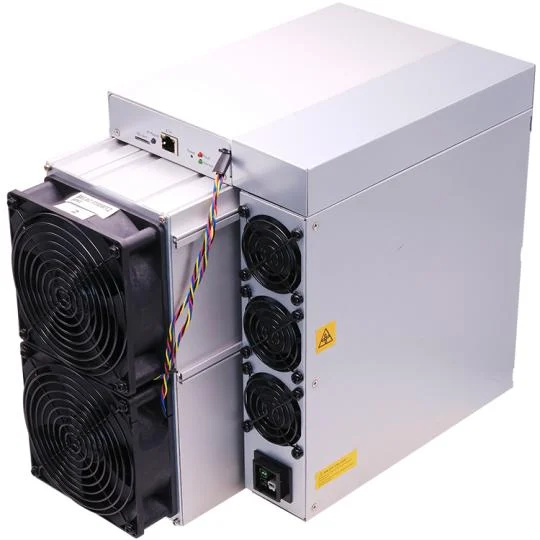
Packing, transporting and storing an ASIC
Preserve the equipment condition and the evidence needed for a delivery or repair claim.
ASIC.tools · Reviewed
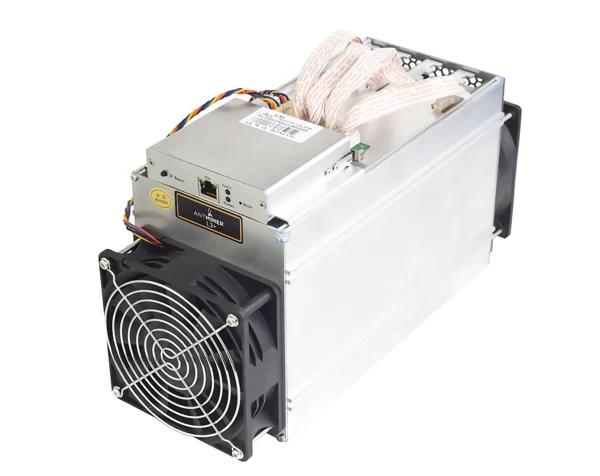
Document the starting condition
Save the serial number, configuration record and recent test result before preparing a shipment. Photograph the enclosure, connectors and packaging process. Keep accessories and their inventory clear so the receiving party knows what should arrive. If the miner is being sent for repair, follow the service center’s current instructions about included components. Do not assume every repair request requires the same accessories or disassembly.
Shut down and prepare safely
Follow the model’s shutdown procedure, disconnect power safely and allow the equipment to reach a suitable handling condition. Liquid-cooled equipment needs its documented transport preparation; never improvise draining or sealing instructions. Do not open power supplies merely to prepare a shipment. Protect accessible connectors from physical impact and keep loose parts from moving inside the package. Record any existing damage rather than concealing it with new packaging.
Use model-appropriate packaging
Prefer the original supported packaging or the manufacturer’s documented alternative with secure cushioning. Prevent the heavy unit from moving and protect vulnerable protrusions. The outer carton alone is not enough if the device can strike its sides. Confirm carrier limits and handling requirements before booking transport. Keep labels readable, avoid publishing credentials on the parcel and retain the tracking information and declared contents for the shipment record.
Control the storage environment
Use the temperature and humidity limits specified for the exact model, including any non-condensing requirement. Store equipment away from water, corrosive contamination and physical damage. A powered-off machine is still vulnerable to unsuitable conditions. When moving cold equipment into a warmer humid environment, let it reach a suitable dry condition before power is applied; elapsed time alone does not prove that internal moisture is absent.
Inspect again on receipt
Photograph the unopened parcel if it is damaged, then compare the contents and serial number with the dispatch record. Keep packaging until inspection and any required carrier report are complete. Do not power a wet or visibly damaged unit to prove that it arrived faulty. Once safe to operate, run a baseline test and retain the result. A consistent before-and-after record is more useful than an unsupported claim that damage occurred somewhere in transit.