Building a reliable ASIC inventory and maintenance record
Connect models, serial numbers, workers and service history so the farm remains manageable as it grows.
ASIC.tools · Reviewed
Use a physical asset as the starting point
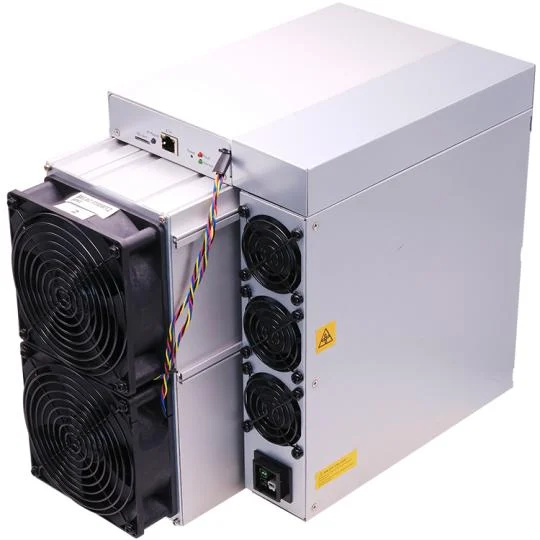
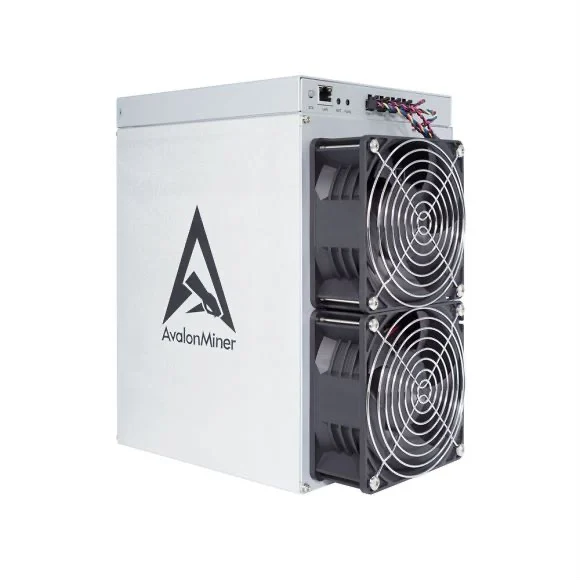
Give every miner an internal asset identifier and record its manufacturer, exact model variant and serial number. Add the power supply and control board details where relevant. Keep a separate field for the pool worker name and current IP address. An address can change and a worker can be renamed, while the maintenance record should continue to describe the same physical machine.
Record location and ownership
Map each unit to a site, room, rack and position using a naming scheme operators can understand on site. Record whether the equipment is owned, leased or hosted for another party. Store the relevant commercial documents with appropriate access restrictions. A location record should make it possible to find a device without guessing from its pool name, especially when the person responding to an incident did not install it.
Keep configuration history
Save the firmware version, approved profile, installation date and the date of each meaningful change. Include the reason and the person responsible. Keep secrets in a secure credential system rather than the inventory itself. Link the latest baseline measurements to the configuration they represent. Otherwise a power reading captured before a profile change may be incorrectly treated as evidence of the current machine’s efficiency.
Track service as an event
For each repair, record the symptom, diagnosis if confirmed, parts replaced, downtime and the acceptance test afterward. Distinguish a suspected cause from a verified one. When a board or power supply moves between machines, preserve that component history if it matters to service tracking. Repeated failures after a replacement may point to site conditions rather than a sequence of unrelated bad parts.
Reconcile records with reality
Periodically compare the inventory with physical labels, network discovery and pool workers. Investigate duplicate identities, retired units still appearing online and unrecorded replacements. Back up the records and limit who can edit critical fields. Export a readable copy for site operations if the management service is temporarily unavailable. A useful inventory stays accurate through changes; a large spreadsheet created once at installation becomes unreliable unless somebody owns its maintenance.