Zcash coinholders back halvings and proposed 25-second blocks
Source report: 2026-09-14 · Editorial analysis published: 2026-09-17
What the NU7 poll means for miners: governance support, activation evidence and reward accounting are separate questions.
Analysis and practical implications
This section is our analysis and illustrative calculations, separate from the source report.
Results, not an activation notice
September 14 NU7 coinholder results favor preserving halvings and proposed 25-second blocks. The official forum also records other community panels. Poll support is not evidence that the network upgrade has activated.

Read the voting unit
A coin-weighted result and a count of people measure different things. Our hypothetical example uses two participants holding one and nine voting units: the same headcount can produce either one-tenth or nine-tenths of the weighted tally, depending on their choices. That is not a reconstruction of the actual poll. Before comparing panels, record eligibility, weighting, abstentions and the denominator used for a percentage. Avoid converting a coinholder preference into a claim that every user, miner or advisory-panel member agreed. Preserving those distinctions makes the result more useful than a blanket consensus headline.
A shorter interval does not multiply ASIC speed
The editorial question for an operator is how a proposed consensus change affects accounting, not whether the physical miner suddenly hashes faster. For a hypothetical chain moving from 75 to 25 seconds, the target number of intervals per fixed period triples. That arithmetic alone cannot establish that a miner’s coin income triples: reward per interval, work allocation and other rules also matter. If an illustrative system kept total issuance unchanged, its per-interval reward would need a corresponding adjustment. This is a general scenario, not a statement that the exact NU7 reward rules are already running.
Prepare a version and compatibility record
Before a network upgrade, an operator can inventory the pool endpoint, node version, management software and exact miner firmware without installing an unverified image. Record which component actually needs a change and obtain that instruction from its responsible maintainer. Do not assume that a node upgrade implies a firmware update for every ASIC. Keep a rollback and observation plan for components you control. ASIC.tools has not tested NU7 software, and this report provides no new firmware binary or model-specific installation instruction.
Define the evidence for activation
For the next update, separate proposal approval, released code, a published activation schedule and observed network operation. Each is a different evidence level. Preserve the maintainer notice and identify the applicable network; a test network observation does not establish a mainnet change. If dates remain conditional, retain that wording. A calendar target is not a completed rollout. This framework avoids treating a governance poll as an immediate change to a calculator’s reward inputs. Update those inputs only from the rules applicable to the period being modeled.
Keep the budget independent of headlines
Build a device budget using confirmed power, uptime and your electricity tariff. Then model coin valuation and reward assumptions separately. A hypothetical 500 W device running 20 hours uses 10 kWh, irrespective of whether a governance proposal is popular. Faster intended confirmation is a user-experience question; hardware energy cost is another. Do not use a token-price movement or a poll percentage as a substitute for a site-specific budget. This example is independent arithmetic, not a measured Zcash installation or a price forecast.
What readers should watch next
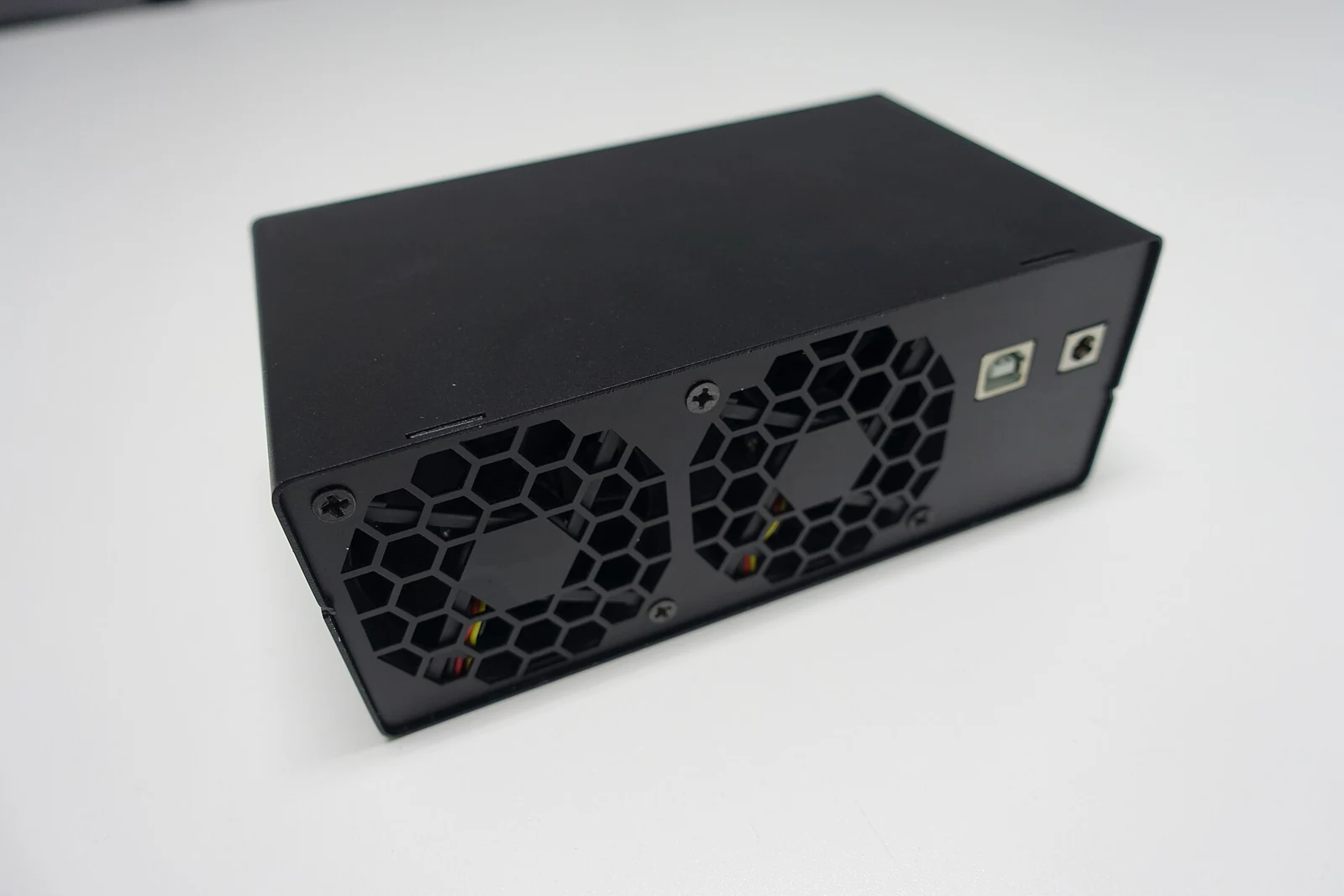
The useful follow-up is a maintainer-backed account of scope, readiness and activation, followed by an operational report from the relevant network. Compare each new claim with the September poll record rather than repeating the same vote as a new event. Keep coinholder and advisory-panel results labeled separately. Our archive images illustrate electronic hardware; they are not Zcash-branded miners or scenes from the voting process. This article makes no claim of a new ASIC model, released firmware or already changed mainnet block interval.
An operational handover checklist
For an internal handover, preserve the source link, event date, proposal status, responsible software maintainer and the next evidence required. Assign an owner to the version inventory and record whether any local action has actually been authorized. A team member should be able to distinguish an observation task from an installation task. If no activation notice exists, leave that field unconfirmed rather than filling in a date from an optimistic headline. Keep the pool’s support response with the record so later changes can be compared using the same equipment and endpoint.
Record each stage separately
A small status table can separate a proposal, a published vote result, merged software, a scheduled activation and observed network behavior. Each row needs its own dated evidence. A link supporting a vote does not establish an activation date. Record the version used by your node and the pool’s confirmation separately, so an updated headline cannot silently turn an earlier proposal into a completed operational change.
Source: Zcash Community Forum / poll organizers ↗
Mining calculator ↗