Wiwynn outlines 6 kW cold plates and new thermal designs at OCP
Source report: 2026-10-12 · Editorial analysis published: 2026-10-13
The October 12 release separates component cooling, thermal-performance and power-delivery-loss claims. None establishes an 80% reduction in whole-facility electricity use or ASIC-miner compatibility.
Analysis and practical implications
This section is our analysis and illustrative calculations, separate from the source report.
The new cooling announcement
Wiwynn announced its OCP Global Summit programme on October 12, covering AI rack platforms, thermal engineering and optical interconnects at booth C74 in San Jose. Among the highlighted designs is an ultra-thin double-sided cold plate with a cavity PCBA arrangement and Vertical Power Delivery. The supplier describes a 6 kW cooling capacity, more than 15% thermal-performance improvement and up to 80% reduction in power-delivery loss for that design.
Those figures have different boundaries. Cooling capacity describes heat that a component design is intended to remove; a thermal-performance percentage is a comparison within a test or design context; power-delivery loss is the energy lost while supplying electrical power. The release is an issuer announcement, not an independent whole-building energy audit. Its 80% figure must not be transformed into a claim that a complete data center or mining farm consumes 80% less electricity.
Component heat removal is not electricity generation
A 6 kW cold-plate rating does not mean the cooling system generates 6 kW of electricity or that its pumps consume precisely that amount. It describes a thermal role. To assess a usable cooling design, an operator needs the operating temperatures, flow, pressure conditions and permitted thermal limits for the intended chip package. A single capacity figure cannot answer all of these questions, and the release does not provide a complete commissioning specification for every installation.
The complete heat path also matters. Heat collected near a chip must pass through the coolant circuit and ultimately leave the facility. A component that transfers heat effectively can still be constrained by distribution, pumps or heat rejection elsewhere. A site evaluation should therefore trace the entire system rather than interpret the cold-plate rating as proof that an existing building can accept any equipment with the same nominal thermal load.
What an 80% loss reduction would apply to
The power-delivery-loss claim applies to a loss term, not automatically to the useful compute load plus all facility overhead. As an illustrative calculation, if a particular delivery path previously lost 100 W, an 80% reduction would leave 20 W of loss and save 80 W in that path. It would not make a separate multi-kilowatt workload shrink by 80%. These round numbers explain the percentage boundary; they are not Wiwynn measurement data.
A buyer should ask which baseline, voltage arrangement and load were used for the claimed comparison. The benefit at one operating point may not equal the benefit across a varying workload. Cooling pumps, server fans, network equipment and upstream electrical conversion can have their own consumption. Without a consistent complete boundary, adding component percentages together can double-count benefits or attribute a saving to equipment outside the measured system.
Microchannels and material choices need qualification
The release also describes exploration of diamond-based composite materials and direct diamond-to-silicon bonding with integrated microchannels. These are forward-looking component cooling developments. A material’s thermal conductivity is relevant to heat transport, but it does not establish a finished product’s reliability, cost or compatibility with every chip package. We do not convert exploration or exhibition language into a verified mass-production milestone.
An engineering review would assess interfaces, mechanical stress, cleanliness, fluid compatibility and the proposed manufacturing process alongside heat transfer. A shorter thermal path can be attractive, yet each additional interface and channel geometry has operating requirements. The practical question is whether the complete qualified assembly meets the target duty over time. This article explains that evaluation boundary without claiming unpublished lifetime tests or universal retrofit support.
Optimizing for a chip power map
Wiwynn says it is working with Corintis on topology-optimized microchannel designs tailored to chip power maps, balancing thermal and hydraulic performance. A power map describes where heat is concentrated across a chip, rather than only its total wattage. Directing cooling toward those regions can be an engineering objective. The announcement does not establish that one channel layout can be transferred unchanged to a Bitcoin ASIC hashboard.
Flow resistance and temperature distribution must be considered together. A design that directs coolant toward a hot region may also change pressure requirements or the distribution among parallel paths. An operator comparing proposals should request the relevant thermal and hydraulic conditions, including how performance varies away from the design point. The partnership statement is evidence of a described development approach, not a complete qualification record for a miner-specific cooling kit.
Weight saving is another separate claim
The supplier also describes lighter cold plates, internal manifolds and tubing, claiming at least a 30% reduction in cooling-component weight. That figure applies to the component group described, not the mass of a fully populated rack, an entire facility or all electrical equipment. Reducing material can influence shipping and installation, but it does not by itself establish that an assembly is more efficient or cheaper over its full operating life.
The relevant assessment combines weight with pressure rating, mechanical support, leak control and maintenance access. A lighter assembly may be useful if it remains suited to the required conditions and handling. Comparisons should retain the same included parts; excluding a manifold or coolant inventory on one side would change the denominator. The release does not give a universal building-load reduction, so no such structural benefit is calculated here.
Relevance to hydro-cooled mining
Mining operators can use this announcement to follow adjacent cooling research while keeping equipment compatibility explicit. AI ASICs are application-specific chips for a different workload; the word ASIC alone does not make their package, mounting or cooling circuit compatible with an Antminer or WhatsMiner. The release does not name a supported mining model or provide a manufacturer-approved installation manual for one.
Before any proposed adaptation, a site would need exact hardware specifications, the cooling manufacturer’s support position and a qualified procedure. Flow limits, coolant selection and protections should come from the actual supported equipment documentation. A new thermal announcement may be interesting without justifying a firmware change or a physical retrofit. We do not add these AI cold plates as an approved accessory or alter miner consumption specifications on that basis.
What the next evidence should establish
Useful follow-up evidence would include detailed test conditions, named supported packages, reliability qualifications and orderable product terms. It should distinguish prototype display, engineering validation and production availability. The present release confirms the programme and supplier claims; it does not supply an independent facility-level electricity comparison or a complete miner-specific compatibility matrix.
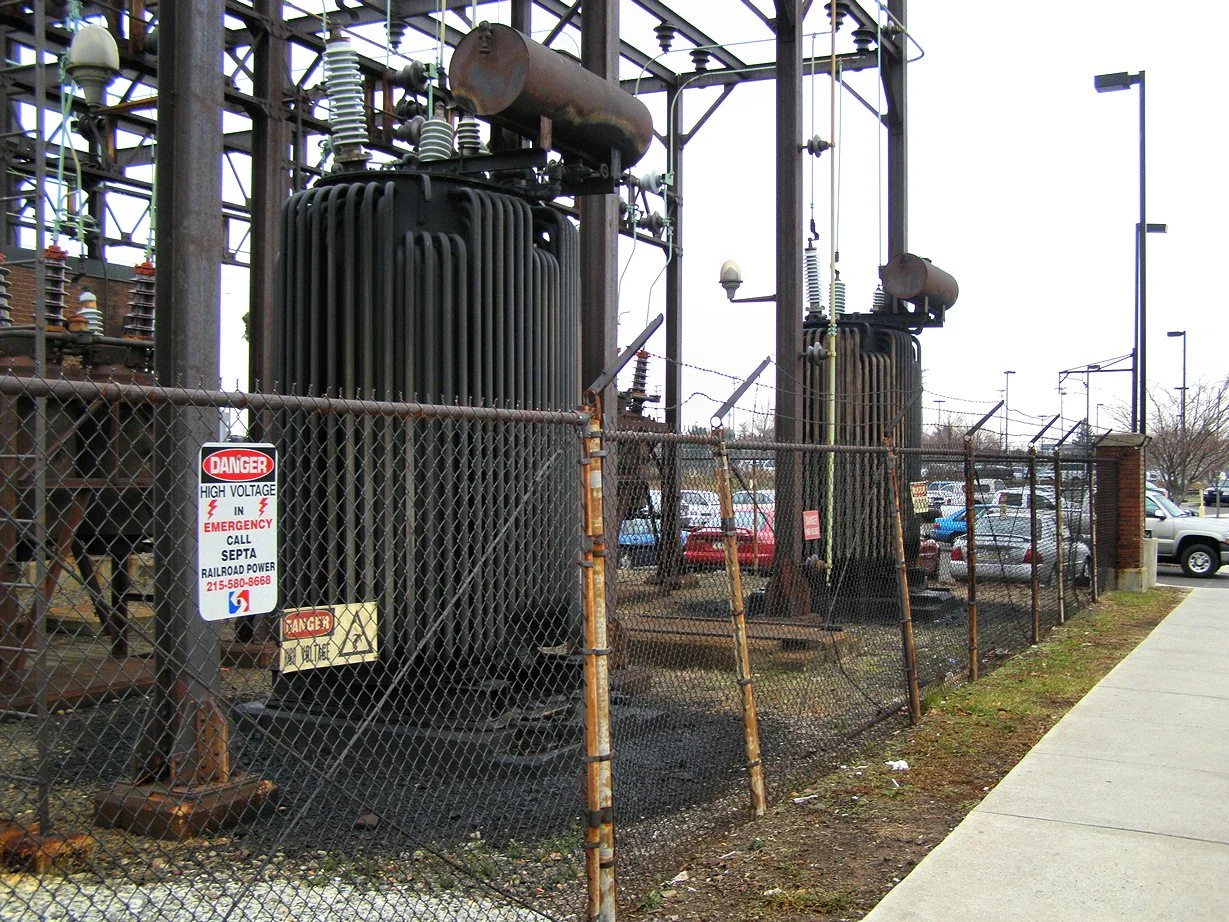
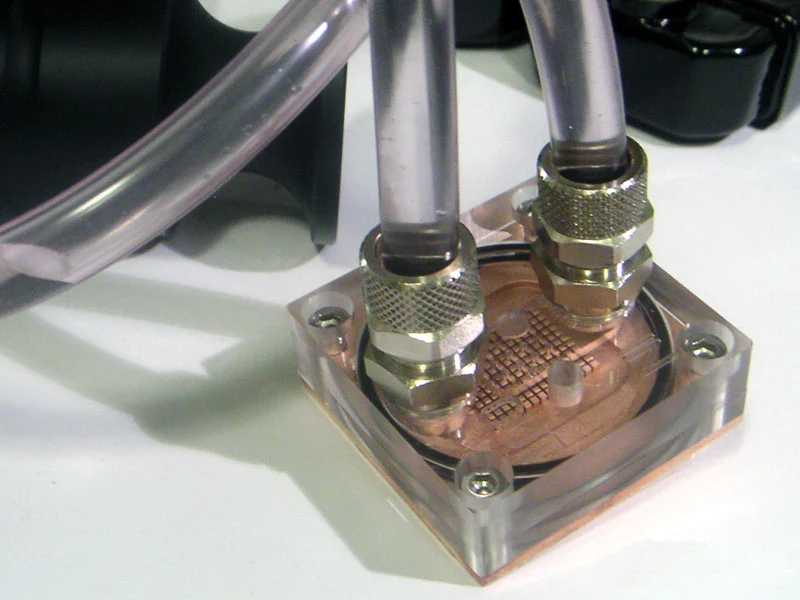
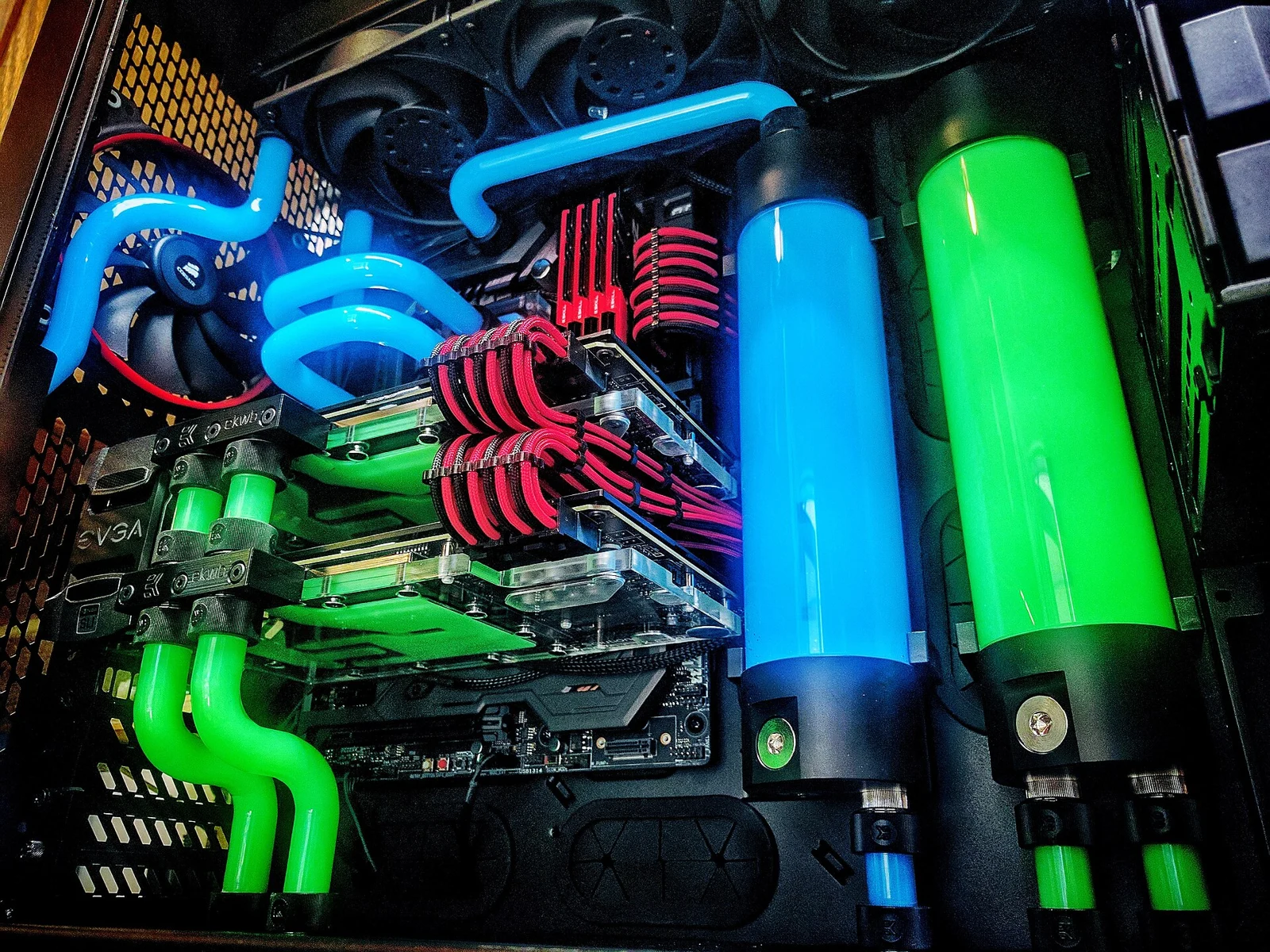
The two licensed archival photographs illustrate liquid-cooling hardware. They are not photographs of Wiwynn’s new double-sided plate, diamond assembly or a newly deployed customer system. The announced figures retain attribution to the supplier, while the 100 W loss example and boundary analysis are ASIC.tools explanation. This lets readers compare developments in thermal engineering without confusing component metrics with a guaranteed saving for an entire mining operation.
Source: Wiwynn / PRNewswire ↗
Mining calculator ↗