ViaBTC partners with Mempool on transaction acceleration
Source report: 2026-09-16 · Editorial analysis published: 2026-09-16
What transaction acceleration changes for users and what miners should measure.
Analysis and practical implications
This section is our analysis and illustrative calculations, separate from the source report.
The announcement and the question it raises
ViaBTC announced cooperation with Mempool on September 16. The subject is Bitcoin transaction acceleration. For an ASIC operator, the useful question is how a pool service relates to the work done by the miner. Below is ASIC.tools editorial analysis, not a test of the newly announced integration. It separates a transaction awaiting confirmation, the block a pool constructs, and the reward actually credited to a worker. Those are different stages, so a faster result at one stage should not be treated as a measured improvement at every other stage.
Acceleration is not a hashrate upgrade
An ASIC repeatedly evaluates hashing work supplied through its mining connection. A user-facing service concerned with transaction inclusion does not, by itself, demonstrate a change in the miner's physical computing speed. When comparing pools, retain the same measurement period and record accepted work, rejected shares and outages. A change in the number of accepted shares may reflect a different share difficulty rather than a proportional change in useful hashing. Compare normalized work and the pool's accounting rules before attributing a difference to a new service.
Start with a visible transaction
Before paying for any acceleration service, identify the transaction and inspect its present state using a trusted block explorer or your own node. Record its transaction ID, fee rate and whether it is still unconfirmed. A wallet interface displaying a pending operation is not enough to diagnose which part of the process is delayed. If the transaction is already in a block, the relevant question becomes the receiving service's confirmation policy. Distinguishing those cases avoids purchasing a solution to a problem that has already changed.
Compare options using total cost
Treat an acceleration quote as a separate expense and read its eligibility, completion and refund conditions before deciding. Do not assume that a service charge is identical to the transaction's on-chain fee. For a deliberately hypothetical illustration, a transaction already paying 2 units with a separate 3-unit service charge creates a combined 5-unit expense; the units must represent the same currency before adding them. This is bookkeeping, not a price quote for either company. Record the original transaction cost and any later service payment separately.
Define what success means
A sound evaluation records the starting time, the transaction state, the service response and the eventual block confirmation. Elapsed time alone cannot establish causation because a pending transaction might have confirmed without intervention. A useful operational report acknowledges that counterfactual limitation and avoids claims based on a single favorable example. Also separate the first confirmation from a receiving platform releasing a deposit. The latter may involve additional confirmations or internal processing that the acceleration provider does not control.
Keep custody separate from diagnostics
A transaction identifier can be shared for checking status; seed words and private keys should never be supplied to a transaction-support page. Verify the actual destination domain before connecting an account or making a payment, particularly when arriving through advertisements or private messages. Keep receipts without publishing unrelated wallet balances or personal information. For a business, assign one person to authorize paid interventions and another process to reconcile the expense, rather than allowing repeated attempts by several team members.
What to watch next
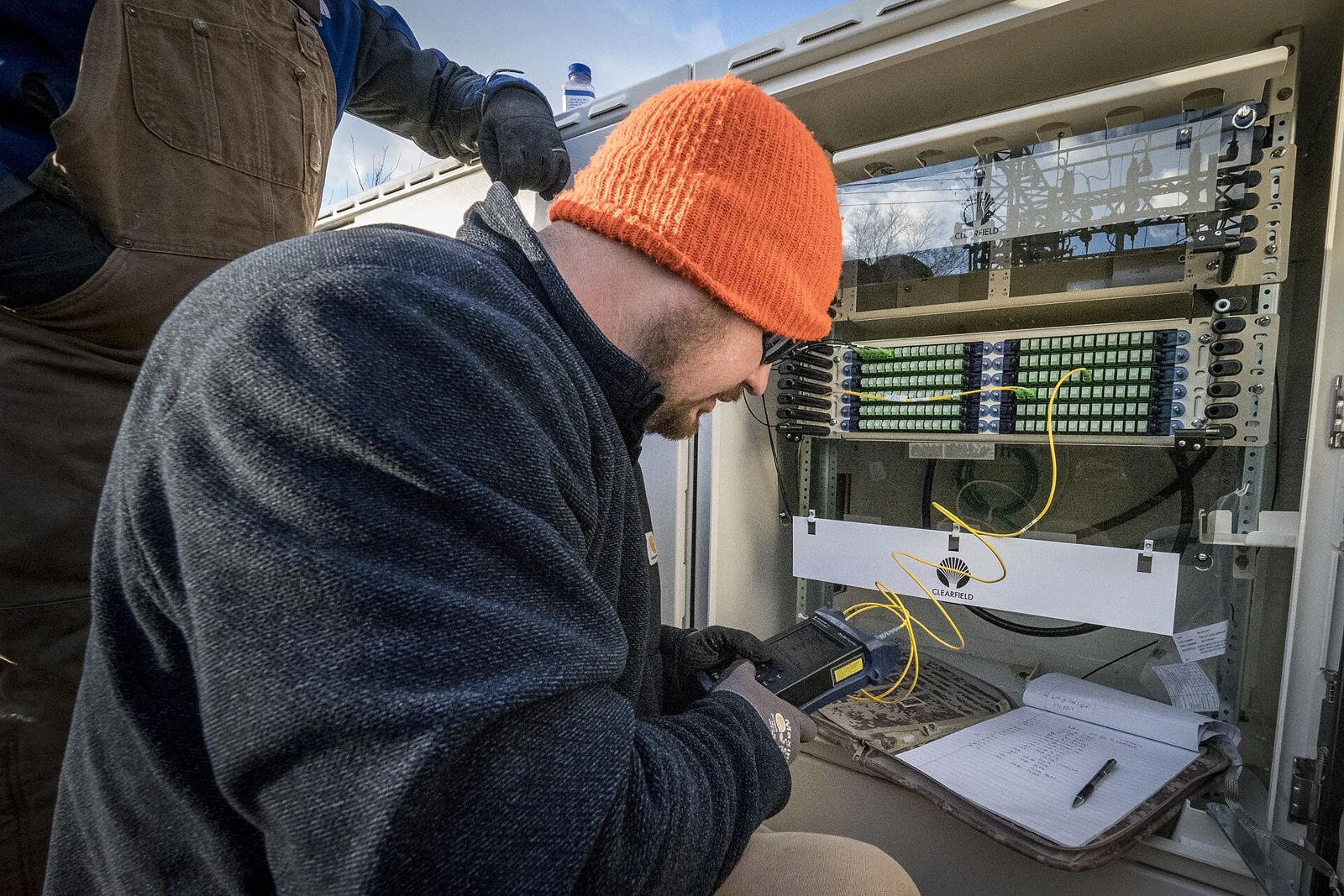
For the next review, collect the published service conditions, supported transaction cases and an independently reproducible history of outcomes. For a mining farm, the decision to change pools should still account for payout method, effective fees, connection quality and accounting transparency. This announcement alone supplies no measured gain for a particular ASIC. The archival photograph illustrates optical networking; it does not show ViaBTC or Mempool equipment. We have not submitted a paid acceleration request or benchmarked this integration.
A practical record for a support case
Create one case record with the transaction ID, observation time and time zone, wallet status, explorer status, quoted service charge, payment receipt and outcome. Keep a baseline before making changes. If two sources disagree, refresh both and record the difference rather than rewriting the original observation. Assign the case a single owner. A colleague taking over should see which checks and payments have already happened. This prevents repeated payment and gives support a reproducible timeline. For example, when a recipient still shows a pending deposit but the explorer shows a block confirmation, first ask the recipient which condition remains unmet. If the explorer still shows the transaction unconfirmed, then examine the service eligibility and quote. These are different diagnostic branches, not promised outcomes. Finish the case only after reconciling the chain state, receiving account and actual expenses. Keep personal information out of a public bug report.
Source: ViaBTC / Chainwire ↗
Mining calculator ↗