Soluna and Bitdeer expand Project Kati 1 mining agreement to 35 MW and 2.42 EH/s
Source report: 2026-09-24 · Editorial analysis published: 2026-09-30
Soluna says Bitdeer will add about 7 MW of Sealminer A2 Pro Air equipment at its wind-powered Texas site, taking the planned deployment to 35 MW and about 2.42 EH/s by November.
Analysis and practical implications
This section is our analysis and illustrative calculations, separate from the source report.
The amendment adds about 7 MW
Soluna announced an amendment to its co-mining agreement with Dory Creek, a wholly owned Bitdeer subsidiary. Bitdeer is expected to deploy roughly 7 MW of additional Bitcoin mining equipment at Project Kati 1 in Willacy County, Texas. The change raises Bitdeer’s planned total at the site from about 28 MW to 35 MW. An amended agreement is a binding commercial step, but the extra machines should be counted as planned until installation, commissioning and pool-side performance are confirmed.
The target hashrate is approximately 2.42 EH/s
Soluna links the 35 MW deployment to about 2.42 EH/s of Bitcoin hashrate. Dividing those figures produces roughly 14.5 joules per terahash at the facility-power headline level, although the release does not define whether 35 MW includes containers, fans, transformers and other auxiliary loads. It also does not disclose the exact machine count or operating profile. Operators should use the stated hashrate as a deployment target and measure actual accepted hashrate and wall power after commissioning.
Bitdeer supplies Sealminer A2 Pro Air units
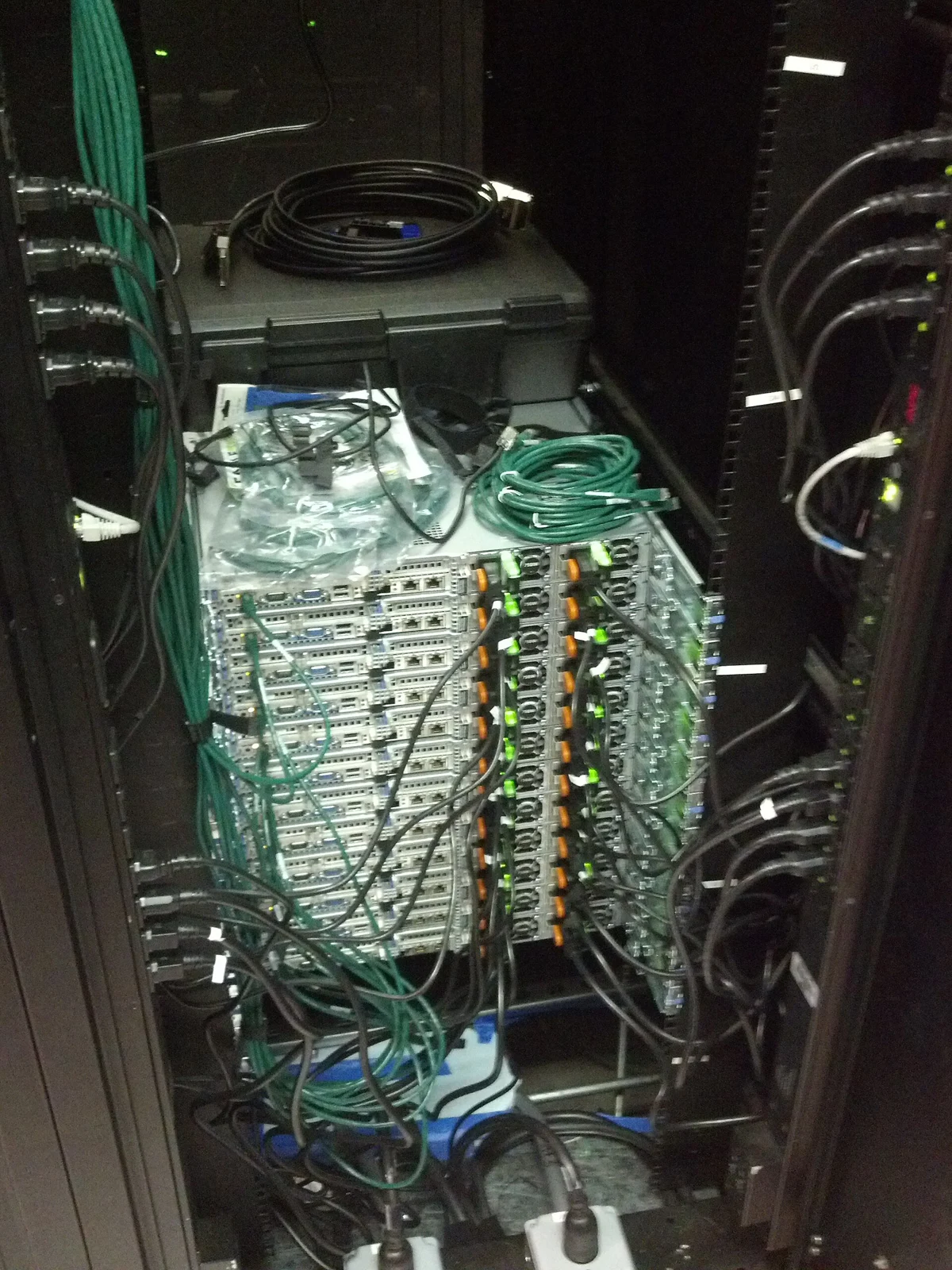
The announcement identifies Bitdeer’s Sealminer A2 Pro Air as the equipment for the expansion. Bitdeer provides and owns the ASIC miners, while Soluna provides the site, electricity and turnkey operations. Model identification is useful because it permits later comparison with manufacturer specifications, but a fleet can run in multiple power modes and at different temperatures. The operating contract’s economics depend on the real configuration, uptime, rejected shares and curtailment rather than a nameplate value alone.
K1BC is now described as fully subscribed
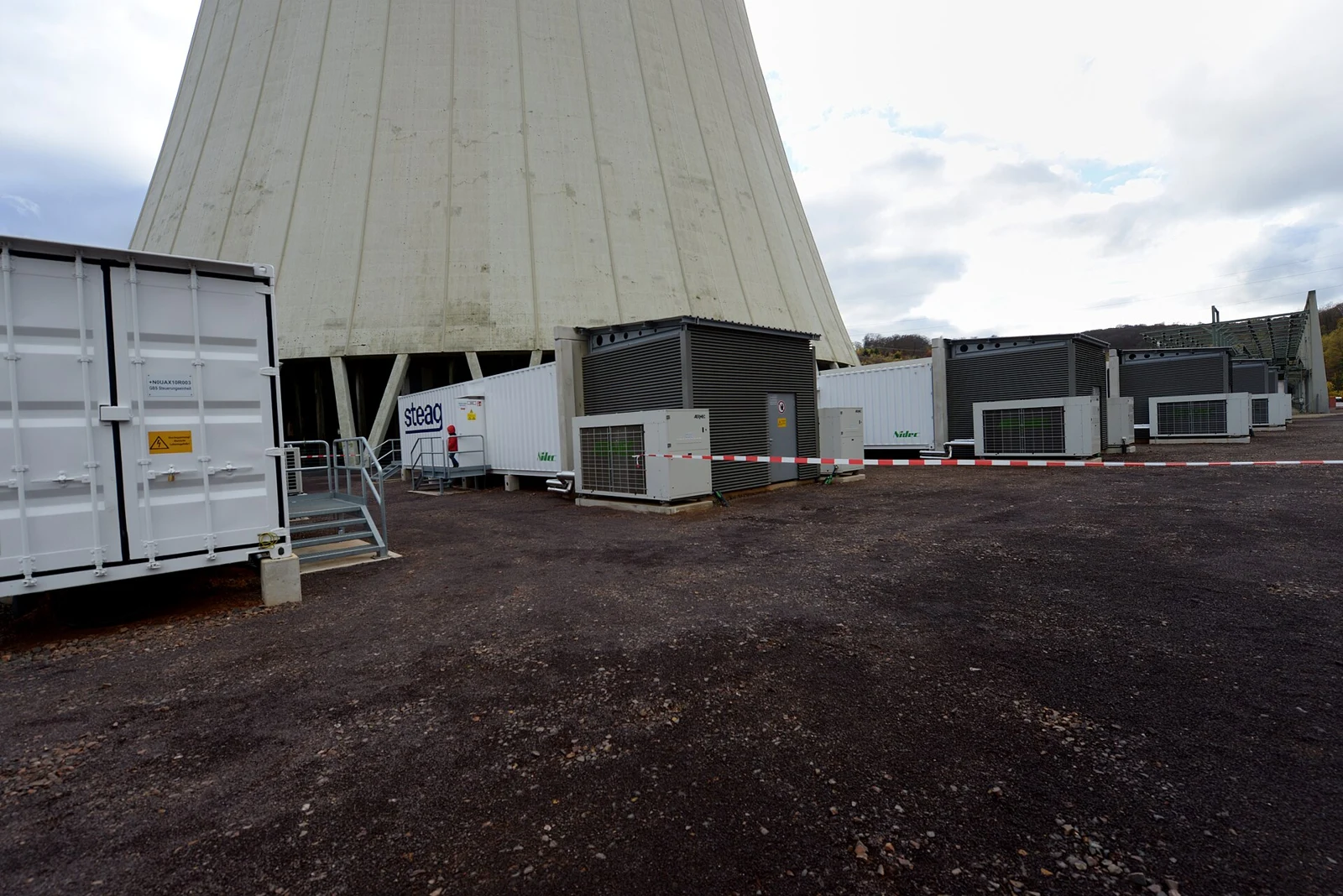
The Bitdeer capacity sits in the K1BC phase of the 83 MW Project Kati 1 data center. Soluna says the amendment fully subscribes that phase. Fully subscribed is a contractual occupancy statement, not proof that every megawatt is already energized and hashing. Project records should distinguish reserved, equipment-delivered, electrically commissioned and revenue-producing capacity. The company expects completion in November 2026, making installation and acceptance reports the next concrete evidence to watch.
The agreement uses a co-mining structure
Under the stated structure, Soluna operates the infrastructure and Bitdeer owns the machines, while the parties share mining proceeds. This differs from a fixed hosting fee because each side remains exposed to Bitcoin production, network difficulty, transaction fees, uptime and power cost. The release does not disclose the revenue split, minimum performance obligations or loss allocation. Without those terms, outsiders can confirm the physical scope but cannot calculate either company’s expected margin from the headline megawatts.
Wind-powered does not mean every hash is simultaneous wind
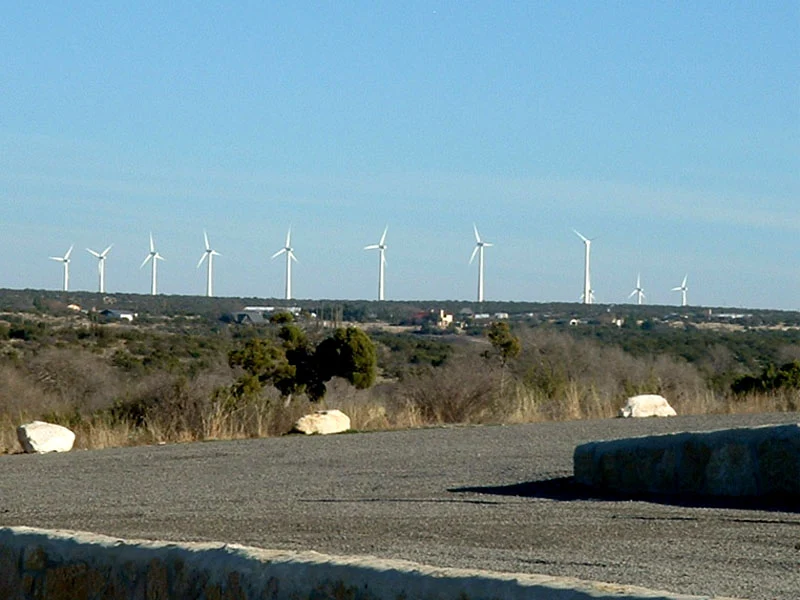
Soluna describes Project Kati 1 as a wind-powered data center. That label indicates the project’s energy relationship, but the announcement does not provide hourly matching, curtailment data or grid-import volumes. Wind generation varies, while miners can act as flexible load by reducing demand during scarce or expensive periods. A credible environmental and operating report should publish metered consumption, renewable supply, grid exchanges and curtailment under a consistent boundary rather than treating the 83 MW site rating as continuous renewable generation.
The expansion occurs before the original deployment is complete
Soluna presents the early expansion as validation of the partnership because it was agreed before the initial deployment finished. Commercial expansion can show counterparties are willing to increase exposure, but it does not yet prove stable long-term profitability. Completion date, commissioned hashrate, availability and revenue sharing must still be measured. Equipment procurement and energization risk remain until the extra 7 MW passes electrical and pool acceptance tests under normal site conditions.
Operators can benchmark the target with simple controls
At 2.42 EH/s, a one-percent gap between nameplate and accepted hashrate equals about 24.2 PH/s. Tracking accepted shares, rejected shares and pool-reported hashrate by container makes that gap visible. Power should be read at the revenue meter and matched to the same time intervals. The site can then compare joules per terahash, uptime and curtailment with the contract model. A monthly average without outage reasons would hide whether variance comes from wind conditions, grid events, miner faults or commissioning work.
What is confirmed and what remains pending
The primary announcement confirms an amended 35 MW scope, an approximate 2.42 EH/s target, Sealminer A2 Pro Air equipment, a shared-proceeds structure and expected completion in November 2026. It does not confirm that the added 7 MW is already online, disclose the commercial split or report actual fleet efficiency. The practical checkpoints are equipment arrival, energization, accepted hashrate, wall power, uptime and the first operating period after the K1BC phase is commissioned.
Source: Soluna Holdings ↗
Mining calculator ↗