PNNL models data-center controls as grid-service resources
Source report: 2026-09-22 · Editorial analysis published: 2026-09-23
PNNL report PNNL-39553 models coordinated compute, cooling, battery and onsite generation controls on a modified IEEE 24-bus system. The results are simulations, not operating guarantees.
Analysis and practical implications
This section is our analysis and illustrative calculations, separate from the source report.
A new grid-modeling report
Pacific Northwest National Laboratory published PNNL-39553, Potential of Data Center Controls in Grid Services, on September 22. The 56-page report studies how data-center compute load, thermal systems, a collocated battery and onsite natural-gas generation could be coordinated on quasi-steady-state timescales. It uses a modified IEEE 24-bus transmission test system and commercial power-flow tools. The work is a simulation study, not a field demonstration at a named Bitcoin mine or AI campus. Its findings describe modeled capabilities under stated assumptions and should not be converted directly into revenue or reliability guarantees.
Why miners should pay attention
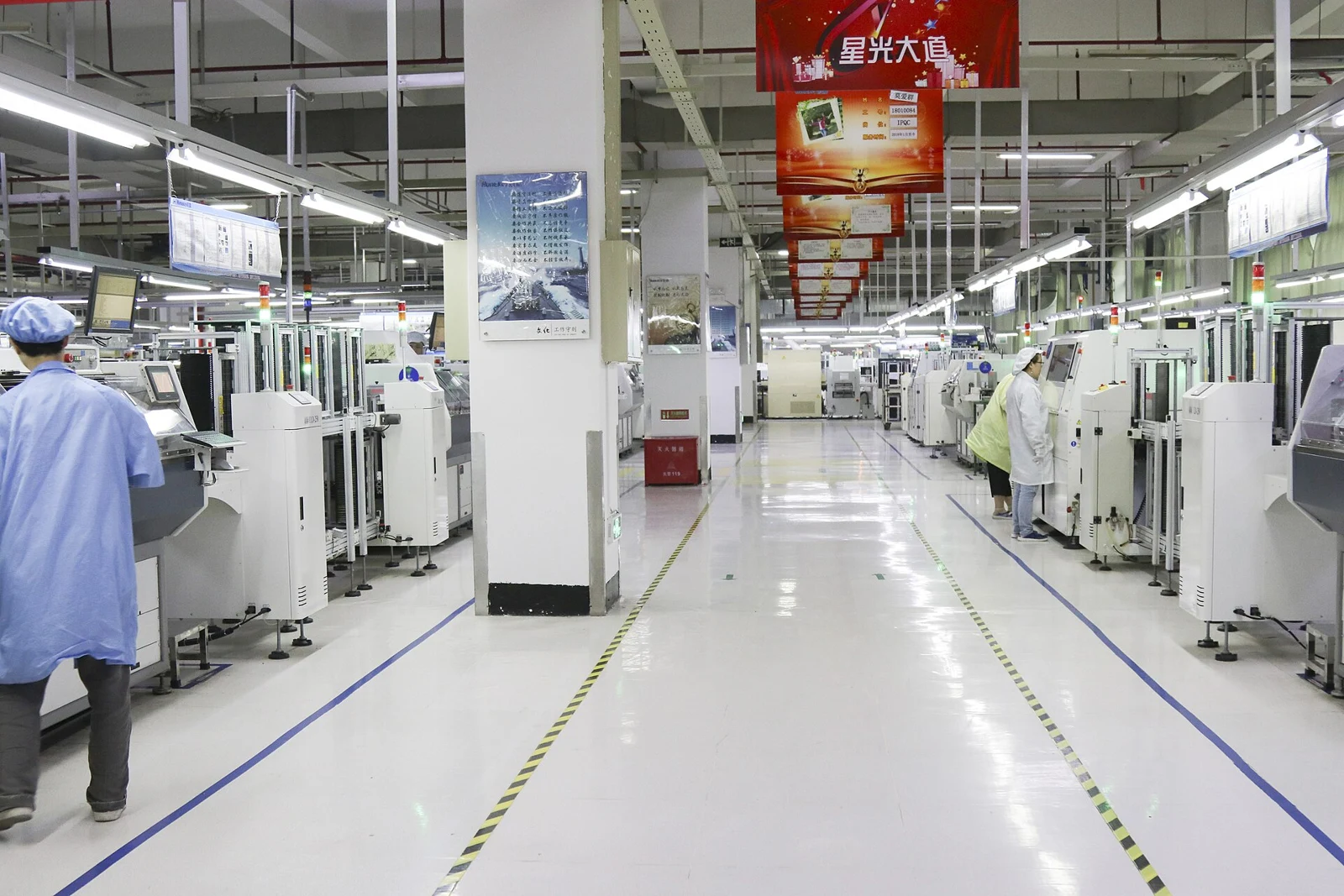
Large ASIC farms and AI facilities both combine concentrated electrical demand with cooling, controls and communications. Mining workloads can sometimes reduce power quickly, but pool economics, firmware behavior, minimum stable operating points and restart time affect the amount that is actually flexible. The PNNL model is oriented to data centers broadly and uses available AI load profiles; it does not test a specific Antminer fleet. Even so, its separation of IT load, thermal load and local resources provides a useful framework for mining sites negotiating curtailment, interconnection or grid-service programs.
What QSTS adds
Quasi-static time-series simulation runs sequential steady-state power-flow solutions so planners can examine changes from seconds to hours without treating the grid as one frozen snapshot. The report couples compute demand and thermal response because cooling does not change instantly when IT load moves. It also represents battery state of charge, inverter limits and onsite generator dispatch. This middle-timescale approach can show congestion and resource depletion that a single power-flow case misses. It does not replace electromagnetic transient studies for sub-cycle behavior or long-term capacity planning over years.
Local resources can shape grid demand
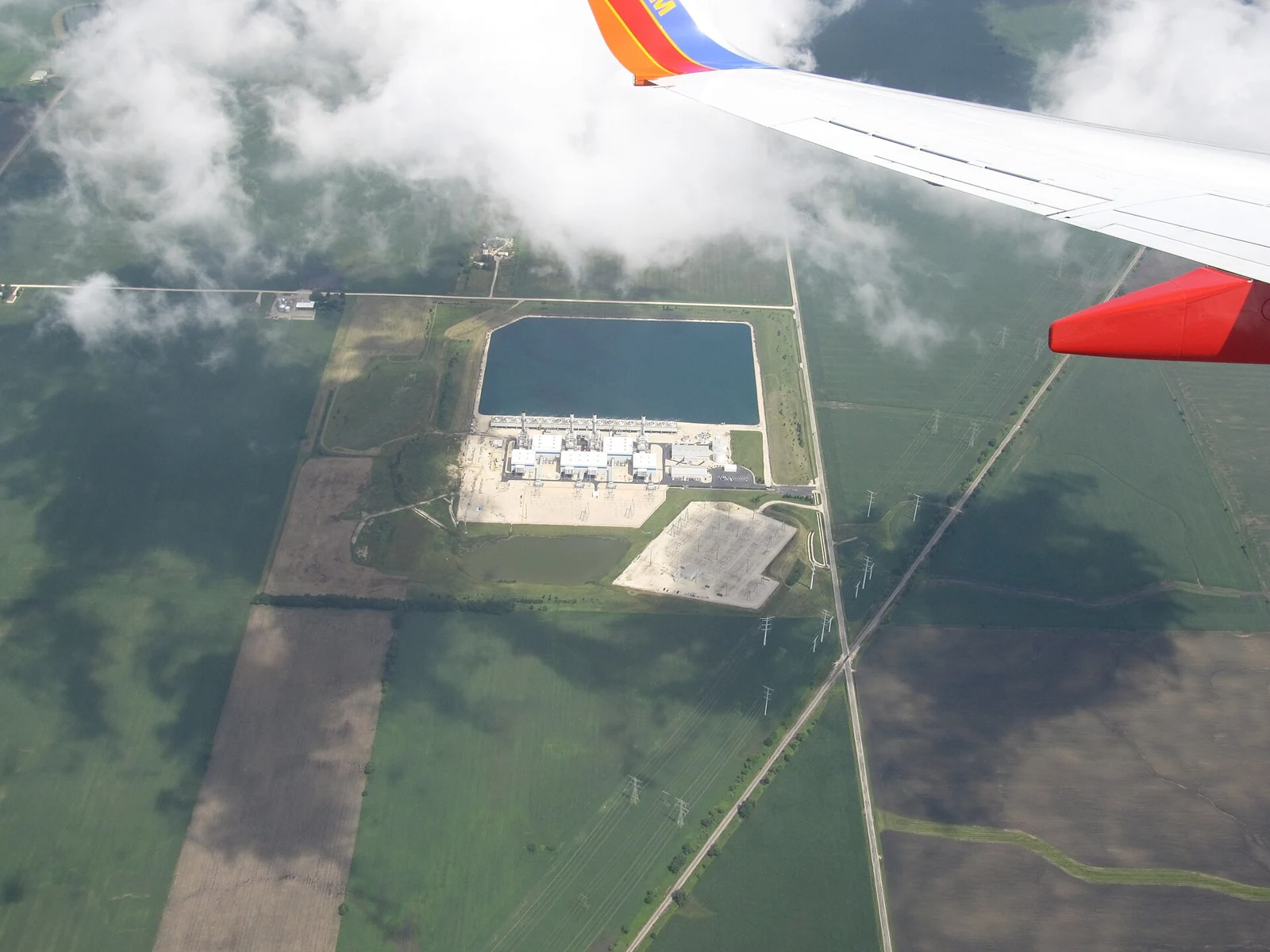
In the scenarios, onsite generation and battery energy storage can reduce import from the grid, smooth rapid demand changes and provide reactive power for local voltage support. The report finds these resources may contribute energy, reserve and regulation services while serving the data center. Their value depends on power and energy ratings, state of charge, generator limits, controls and agreements with the utility. A backup asset reserved for outages is not automatically available for market dispatch. Using it for grid services can increase fuel use, cycling, maintenance and the risk that insufficient reserve remains when the site needs backup.
Load control is not one uniform lever
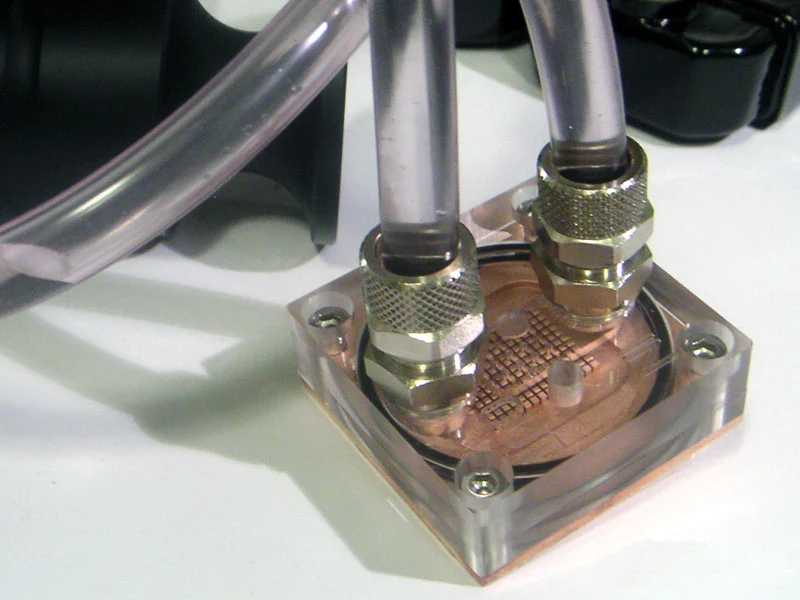
PNNL separates thermal management from compute or IT load. Adjusting cooling setpoints provided some demand relief in the modeled cases, but the conclusion says thermal savings were much smaller than the larger compute load and are better suited to smaller requirements or marginal relief during stress. Compute control can deliver a larger reduction, provided applications tolerate it. For an ASIC site, that means distinguishing fan and pump savings from actual hashboard curtailment. Revenue loss, pool behavior, thermal soak and restart time must be included before promising a response quantity.
Participation rules also matter. A technically flexible site may be unable to offer a service if telemetry, minimum bid size, response duration or interconnection terms are not satisfied. Engineering capability, market qualification and commercial value should therefore be assessed separately.
A constrained-capacity example
One scenario limits transmission-grid supply to 30 MW while local resources can provide 60 MW: a 20 MW natural-gas generator and a battery rated at 40 MW with 80 MWh, or two hours at rated output. When total modeled demand exceeds 90 MW, about 10 MW cannot be served and part of the compute load must be curtailed. The battery reaches its 10% minimum state of charge in a little under four hours under the modeled dispatch, requiring further curtailment if the constraint persists. These figures illustrate the study case, not a recommended design for every facility.
For ASIC demand response, the control hierarchy should define who may reduce hashboards, how quickly the pool connection recovers and which temperature or coolant limits override a grid command. The baseline should use actual facility import, because transformers, pumps, fans and networking continue consuming power when chips are curtailed. A battery can respond rapidly, while engine generation and thermal load often move on different timescales; combining them requires state estimation and clear priorities. Operators should rehearse loss of communications and ensure local protection returns the site to a safe state. Settlement data should then be reconciled with the same revenue interval used to calculate lost mining output.
Congestion relief has limits
Under contingency scenarios, coordinated controls reduced grid import and helped keep some branch loading closer to pre-contingency levels. The report also states that the system remained overloaded in a sequential-control case and would need additional load actions or controlled devices. Geographic redistribution of compute must be checked so the problem is not moved to another stressed region. Reverse power flow from onsite resources may require new utility agreements and control studies. A facility cannot assume that technical capability alone authorizes export or qualifies it for a market product.
The study does not calculate mining revenue, hashprice or ASIC wear. Those site economics must be added separately. Its contribution is a controls-and-grid model that shows where flexibility may help and where limited energy, overloads and operational priorities still constrain it.
How to apply the study responsibly
A mining operator can use the report as a checklist for measurements and studies: separate IT and cooling load, validate response and recovery time, model battery energy as well as power, preserve backup reserve, and examine both normal and N-1 conditions. Any commercial offer should be based on metered tests, interconnection terms, telemetry requirements, dispatch history and penalties. PNNL's main conclusion is conditional: coordinated data-center controls and local resources have potential to support voltage, reserves, regulation and congestion management, but compute sensitivity and the primary backup role of local assets must be respected.
Before offering flexibility, establish a baseline that accounts for production schedules, weather, coolant temperature and equipment maintenance. Measure the load at the point of common coupling rather than summing nameplate ratings. Test command delivery, fail-safe behavior and recovery after a dispatch. Then coordinate the response with the utility, pool and site team so grid support does not create an uncontrolled thermal rebound or an availability problem after the event ends.
Source: Pacific Northwest National Laboratory ↗
Mining calculator ↗