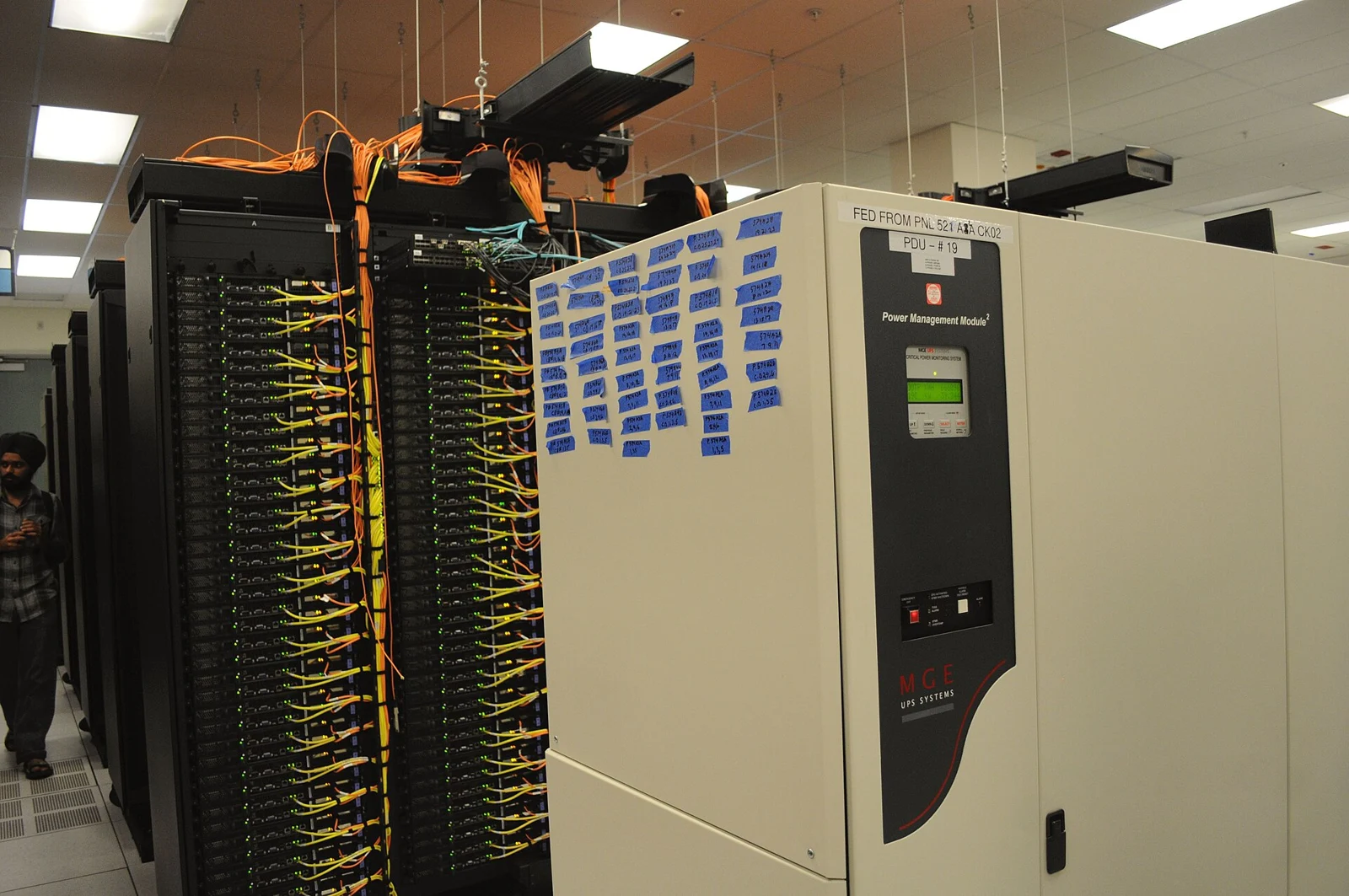
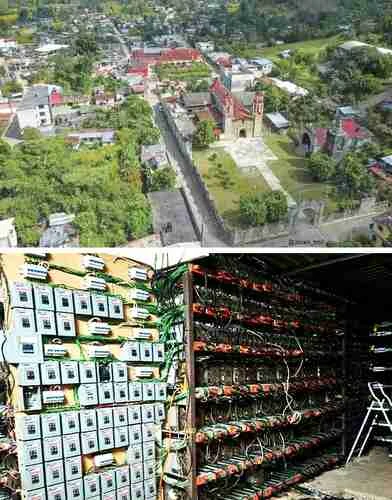
Mexico seizes suspected crypto-mining site with around 300 computers
Source report: 2026-09-06 · Editorial analysis published: 2026-09-10
Puebla’s official statement identifies the equipment as GPUs and confirms an ongoing investigation. The exact miner models and the cryptocurrency were not disclosed.
Analysis and practical implications
This section is our analysis and illustrative calculations, separate from the source report.
What the primary source says
The government of Mexico’s Puebla state published statement SSP 183/2026 on September 6 about the seizure of a property in Tlaola allegedly used for cryptocurrency mining. The operation involved the federal prosecutor’s office FGR, the Navy and state public-security authorities. This official bulletin is the primary source behind reports describing an underground farm with 300 miners.
Authorities reported approximately 300 operating specialised computers, described in the statement as GPUs. They also listed a pedestal transformer, roughly 80 medium-voltage terminals and eight satellite-internet antennas. The property and equipment were placed under the competent authority’s control. Investigators are examining whether virtual assets generated there could have been used to legitimise resources associated with unlawful activity. That is an investigative possibility, not a finding established by a court.
Why 300 computers does not identify 300 ASICs
The following is ASIC.tools editorial analysis. A computer count is not a mining-farm specification. Without an inventory, it does not establish the manufacturer, model, algorithm or combined hashrate. The bulletin’s GPU label does not justify replacing it with ANTMINER or another particular ASIC family. Adding a confirmed device to our catalogue would require separate technical evidence.
The distinction also matters when judging scale. Device count does not reveal electricity demand, operating mode or efficiency. Multiplying 300 by the wattage of an arbitrarily chosen modern miner would produce a precise-looking number that does not describe this property. Likewise, a daily Bitcoin-output estimate would require an identified algorithm, equipment and actual performance. We do not present such assumptions as results from this case.
Questions that remain open
Electrical infrastructure and the legal or contractual status of a connection are separate questions. A list containing a transformer and terminals does not establish consumed electricity, supply terms or damages. Those conclusions require inspection records, measurements and documents. The September 6 bulletin does not publish that evidence, so this article supplies neither an invented damage estimate nor an assumed connection capacity.
Seizing equipment is also different from a final judgment about its owner. The statement does not identify operators, provide a model-by-model inventory or establish the quantity of generated assets. A later official clarification may change the understanding of the case. Each additional detail should retain its source and date instead of blending preliminary possibilities and subsequent findings into a single unconditional account.
A practical lesson for operators
For farm operators, the practical editorial lesson is documentation. Equipment inventories, purchase records, agreed electrical parameters, meter readings and operational logs answer different questions. An expected-profitability spreadsheet cannot replace them. This is a general organisational observation, not an assertion that particular documents were present or missing at the Tlaola property.
We also distinguish illustration from technical proof. A photograph released with the announcement shows the scene authorities chose to publish, but cannot establish a complete inventory or every device’s condition. The verified conclusion remains limited to the official bulletin: the property was seized, an approximate equipment count was given and the investigation continues. Specific model identifications or an outcome in the case would require another primary-source update. When following the case, separate the publication date from an event date explicitly confirmed by investigators. Keep a copy of the original equipment wording alongside any later inventory. A subsequent model identification should cite that new evidence, not silently change the original statement. Similarly, a claim about electricity or generated assets needs its own supporting record. This makes updates useful: readers can distinguish a correction, a new fact and an unresolved question. Repetition across websites alone does not supply independent confirmation.
Source: Gobierno de Puebla / SSP ↗
Mining calculator ↗