Inside HIVE’s Yguazú mining campus
Source report: 2026-06-01 · Editorial analysis published: 2026-09-10
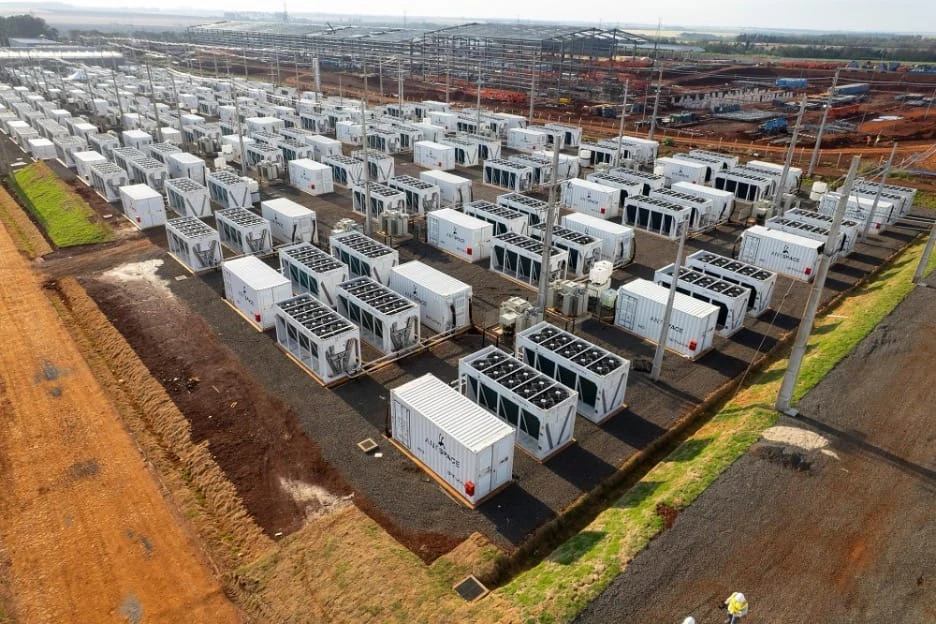
Luxor’s Paraguay site visit explores HIVE’s large-scale operation, with attention to electrical infrastructure and cooling in a hot climate.
Analysis and practical implications
This section is our analysis and illustrative calculations, separate from the source report.
A large site is a collection of operating systems
A major mining campus combines electricity distribution, cooling, networking, maintenance and logistics. The number of machines or the headline capacity describes scale, but it does not explain how the site maintains useful production day after day.
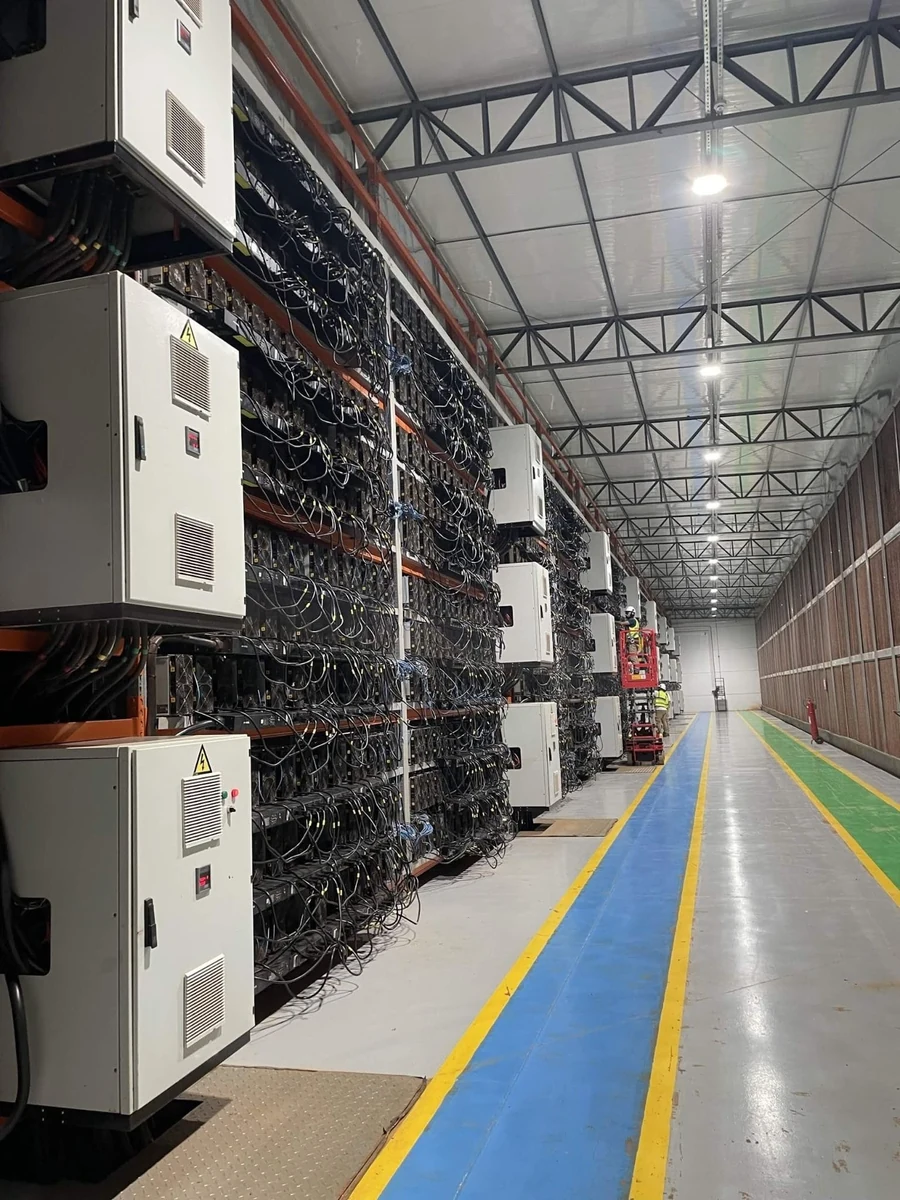
A site visit is valuable when it reveals those operating relationships. Look for how power reaches the machines, how heat is removed, how failed devices are handled and how technicians move through the installation. Those details often teach more than a single capacity figure.
Climate turns cooling into an operating discipline
In a hot environment, the cooling arrangement must be evaluated under the conditions that challenge it most. Nominal capacity is not the same as reliable performance during an unfavorable period. The site needs measurements that show whether operating limits are maintained across different locations and times.
For a reader comparing sites, avoid assuming that one cooling design transfers unchanged to another climate or building. Equipment requirements, available water or air conditions and maintenance capability all affect the appropriate design. The engineering comparison should use the proposed location's actual constraints.
Maintenance access affects productive capacity
A large installation needs a repeatable process for identifying, removing and repairing failed machines. Spare-parts availability and technician access can influence useful uptime as much as the original equipment specification.
Record the time between detecting a problem and restoring accepted work. A device waiting for attention is part of installed capacity but not productive capacity. Understanding that difference helps explain why two sites with similar nominal equipment can produce different operating results.
Extract practices, not a universal formula
A report from one campus can suggest useful questions for another project. Which parts of the layout simplify service? Which measurements identify hot spots? How are equipment groups tracked? Those questions can be adapted without assuming that the entire design should be copied.
The practical value of a site profile is a clearer view of the systems behind large-scale operation. Use it to improve the questions asked during planning and maintenance. A successful installation is supported by local engineering and a disciplined operating process, not by scale alone.
Source: Hashrate Index / Luxor ↗
Mining calculator ↗