Google and Constellation plan 890 MW of nuclear uprates for PJM
Source report: 2026-10-06 · Editorial analysis published: 2026-10-06
The October 6 agreement supports upgrades at existing nuclear units, with the first increase expected by 2028. A separate 2,700 MW supply contract covers existing generation.
Analysis and practical implications
This section is our analysis and illustrative calculations, separate from the source report.
What the agreement changes
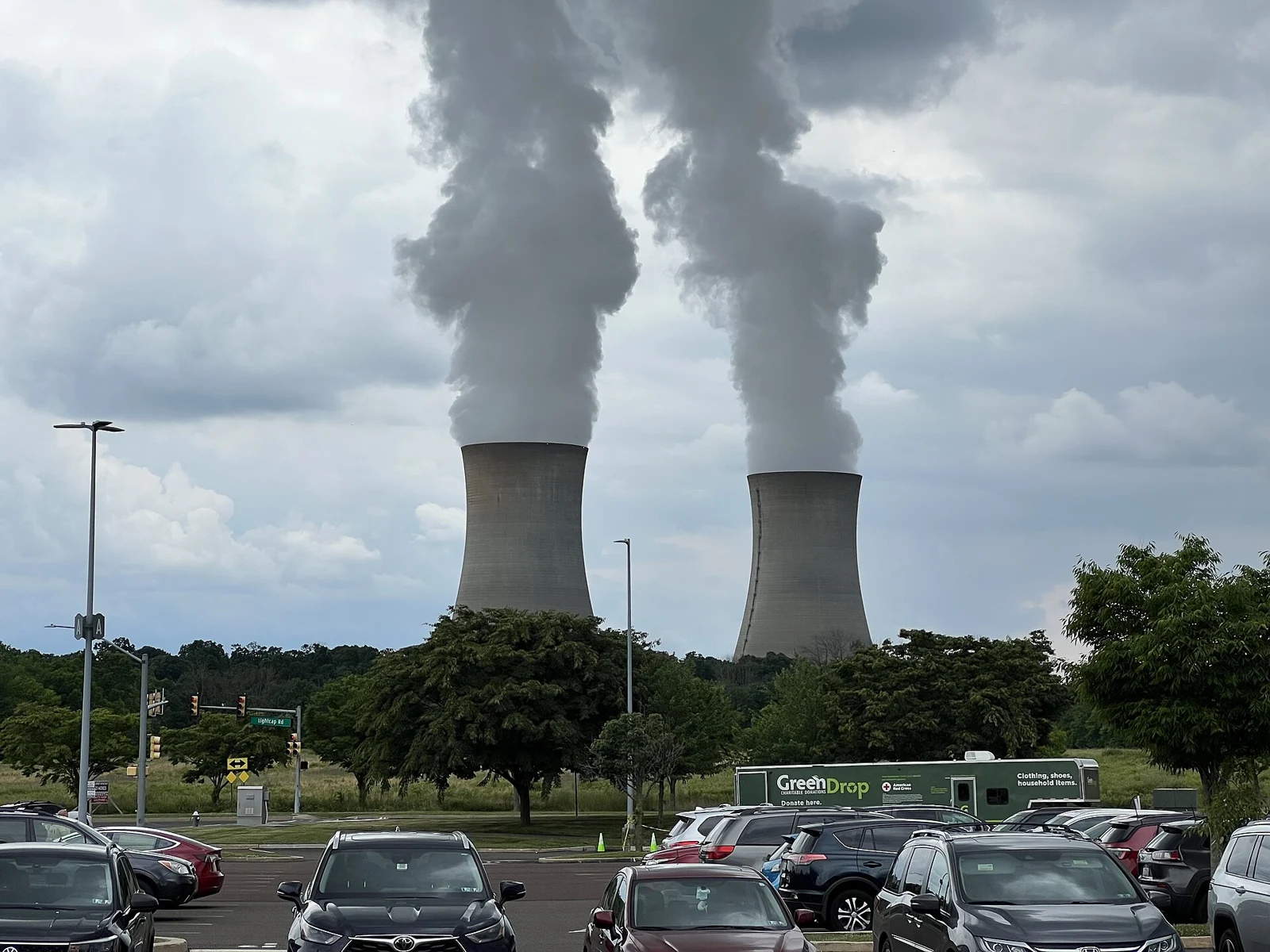
Google and Constellation announced an energy agreement on October 6, 2026. A 20-year power purchase agreement supports a planned 890 MW increase across 11 existing nuclear units at six sites in Illinois, Pennsylvania and New Jersey. The first increase is expected by 2028. These are upgrades to existing units, rather than a program to construct new reactors. The announcement establishes a financing and purchasing arrangement; it does not demonstrate that the additional electrical output is already available to customers on the PJM grid.
Our assessment is that the distinction between existing sites and additional output is the central point for infrastructure readers. Increasing the output of a functioning generation site can follow a different development path from building a new station. However, the investment announcement is still a starting point for tracking implementation. It should be followed by unit-specific engineering, acceptance and operating milestones. A digital infrastructure buyer cannot treat the full advertised increase as power that can be delivered to a new campus immediately.
Keep the two power quantities separate
The companies also announced a separate 15-year supply agreement for 2,700 MW from Constellation’s existing PJM fleet. That quantity describes supply from existing generation, while 890 MW describes the proposed increase. Adding the two figures and calling the result new generation would misstate the release. The company estimates more than $4.3 billion of investment in the upgrades. The headline agreement also includes a five-year collaboration using Google Cloud and Gemini Enterprise for energy-sector workflows, alongside demand response and load shaping.
This separation is useful whenever an infrastructure deal combines development and procurement. A purchasing commitment can help finance a change to physical assets, but some parts of the contract may simply allocate output that those assets already produce. A reader needs the baseline and the additional amount, together with their respective delivery periods. The same discipline applies when comparing a miner’s existing hosting allocation with a proposed expansion. Commercial access to energy and a physical increase in generating capability are related, but they are not identical measures.
Megawatts do not state annual energy delivered
A power figure describes a rate of delivery, whereas energy delivered over a period depends on how long that output is sustained. A project’s advertised capacity therefore cannot determine its annual service by itself. Maintenance, availability, dispatch conditions and the contractual delivery profile all affect the result. This is our interpretation of how to evaluate the agreement, not an additional operating forecast for the named units. The public release does not provide a measured future generation profile for each upgraded reactor.
For a computing customer, the practical question is how much usable electrical service reaches the agreed connection in the hours when the equipment needs it. A nominal capacity can be associated with a firm service, a financial contract or another delivery arrangement. Those forms should not be conflated without the underlying terms. Converting the 890 MW headline into a precise annual electricity volume or an assumed number of miners would require information about utilization, delivery boundaries and the actual equipment. Those inputs are not disclosed for a mining fleet.
Generation and grid connection are different milestones
Additional generation does not automatically establish a connection for a particular data centre or mining farm. A site still needs the electrical infrastructure that connects it to the network, with equipment and an agreed service boundary appropriate to its load. A power buyer should examine connection readiness alongside the generation schedule. We do not infer a new private electrical line, an approved connection date for an unnamed campus or an immediate hosting service from this agreement. The release concerns the grid and the companies’ energy relationship.
In a project review, electrical availability should be tied to the point where the customer can accept it. Substation equipment, protection, distribution and commissioning need compatible schedules. A campus ready for servers may still be unable to operate if the electrical interface is incomplete. Conversely, completed supply infrastructure can remain underused while the customer installs equipment. These are general dependencies relevant to power-intensive digital projects. They explain why a long-term energy contract is valuable without being the same thing as a completed, energized computing facility.
Flexibility needs a measurable operating boundary
Demand response reduces or shifts consumption under defined conditions. For a computing operator, the key questions are which loads can respond, how quickly they respond and what happens to the service those loads provide. Mining equipment and AI workloads can have different interruption costs and customer obligations. An operator should identify the flexible portion of a site’s load rather than labeling the entire campus flexible. Our analysis does not assign a curtailment capacity or a compensation rate to the new Google and Constellation agreement.
A workable comparison includes the baseline electricity use, the timing of a requested reduction and the method used to verify the response. It should also distinguish a reduction in energy purchases from payments for providing a grid service. In mining, turning devices off reduces both consumption and the opportunity to earn rewards. In AI infrastructure, moving non-critical work can have a different effect from interrupting a reserved service. The relevant economics depend on the workload and contract, not solely on the name of the technology operating inside the site.
AI tools support workflows but do not prove an energy result
The technology collaboration should be evaluated through the workflows it changes and the results it eventually demonstrates. A planning tool can help a team organize information, while an asset-management tool can support maintenance decisions. Neither description alone establishes a measured increase in generation or a reduction in outages. We regard the software relationship as a separate part of the announced program. It should not be treated as a technical explanation proving that all of the additional nuclear output has already been achieved.
A useful future disclosure would state the problem, the data and the metric used to assess the tool. For example, a maintenance workflow could be evaluated against a documented decision process and operating constraints. Comparisons should account for changes in equipment and procedures that occur at the same time. The evaluation also needs the responsibilities of human operators and the boundary of automated recommendations. These are criteria for assessing future results, rather than claims that the companies have already published such a benchmark for this partnership.
Implications for ASIC hosting and site selection
For ASIC operators, the news is relevant to the competition for large-scale electrical service and the development of the wider supply system. It is not a miner-specific power offer. There is no disclosed tariff, hosting contract or fleet allocation that can be entered directly into a profitability calculator. A sensible comparison of mining locations should therefore retain the actual offer available to the operator, including its electrical price and service terms, rather than substituting the quantities in a hyperscale energy agreement.
The calculator also needs device consumption, pool terms, operating time and a defined revenue assumption. A planned increase in regional generation does not determine those values. It may be useful background when monitoring infrastructure investment, but the site-specific economics require their own evidence. Buyers considering new equipment should align delivery and commissioning with the service they have contracted. That approach avoids mistaking an important grid development for a guaranteed improvement in the economics of every mining farm connected to the same broad market.
The next evidence will be unit-level progress
Follow-up information that would make the program more concrete includes completed upgrades, the output achieved at each unit and the start of commercial delivery. Those milestones can be compared with the announced first-increase target. A sequence of unit-level results would also help readers understand how much of the overall program is available at a particular date. Until then, our coverage retains the distinction between a contractual commitment, a planned increase and measured electrical output from an operating upgraded unit.
The practical conclusion is to follow the physical program and the supply agreement separately. The announcement connects long-term compute demand with investment in existing nuclear assets, but it does not remove the need for commissioning evidence or customer-specific grid access. For miners and infrastructure buyers, the most useful information will be the quantity available, the date of delivery and the terms under which it can be used. Those details make a large energy announcement actionable without converting a forward-looking capacity figure into a promise of immediate cheap electricity.
Source: Google / Constellation ↗
Mining calculator ↗