Oracle proposes to absorb $300 million in Point Beach energy costs
Source report: 2026-10-02 · Editorial analysis published: 2026-10-03
Oracle says a planned subscription to part of the Wisconsin nuclear plant’s output could save more than one million utility customers about $300 million. The arrangement still requires state regulatory approval.
Analysis and practical implications
This section is our analysis and illustrative calculations, separate from the source report.
Oracle announced a planned power subscription
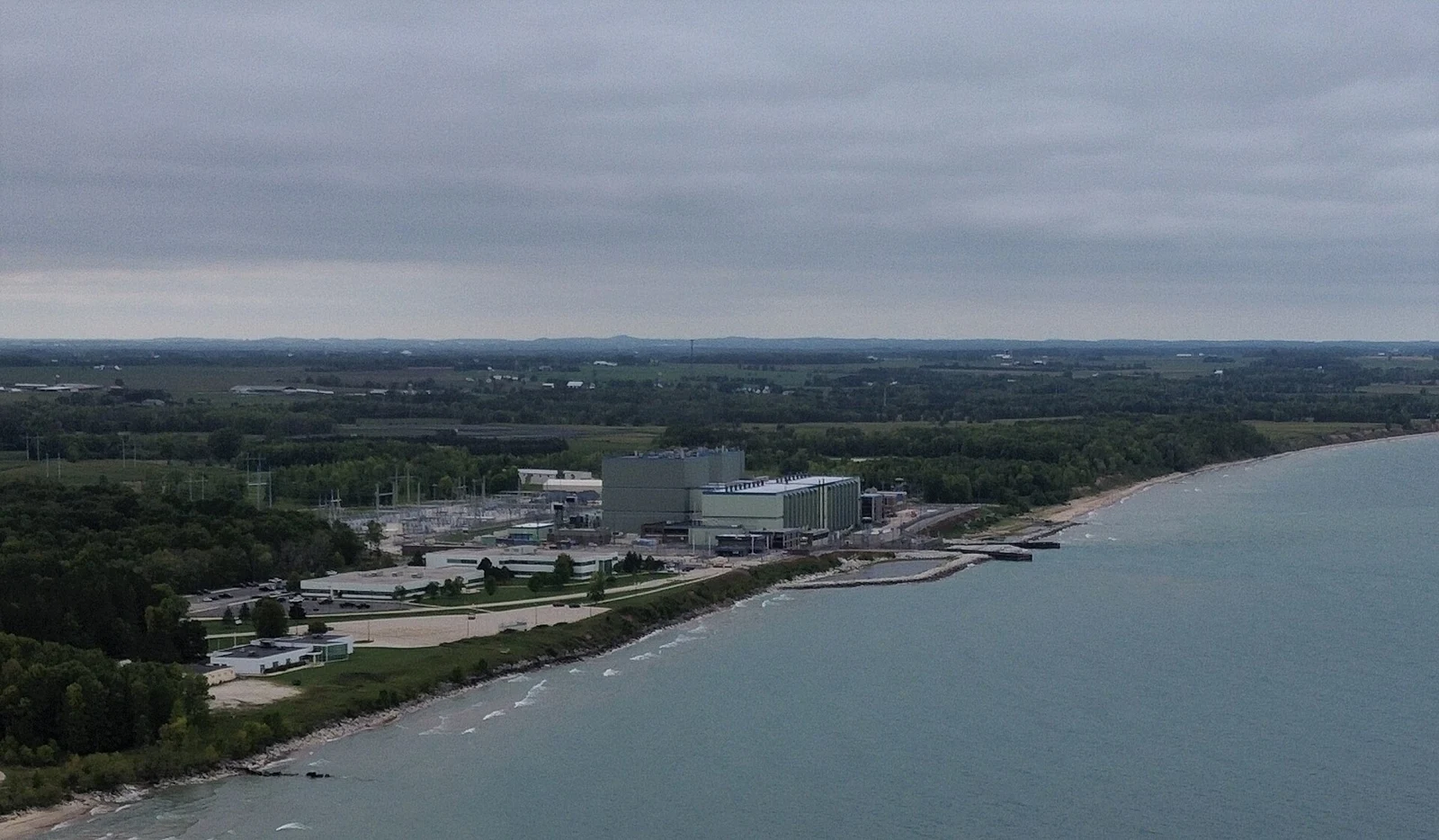
Oracle said on October 2 that it intends to subscribe to a portion of the electricity generated by the existing Point Beach Nuclear Plant in Wisconsin. The company estimates that the arrangement would absorb approximately $300 million in rising fuel costs and help protect more than one million utility customers. These are the company’s stated expected effects of a planned commitment. The subscription is not yet a completed transaction, and the announcement does not say that $300 million has already been paid or saved.
Regulatory approval is still required
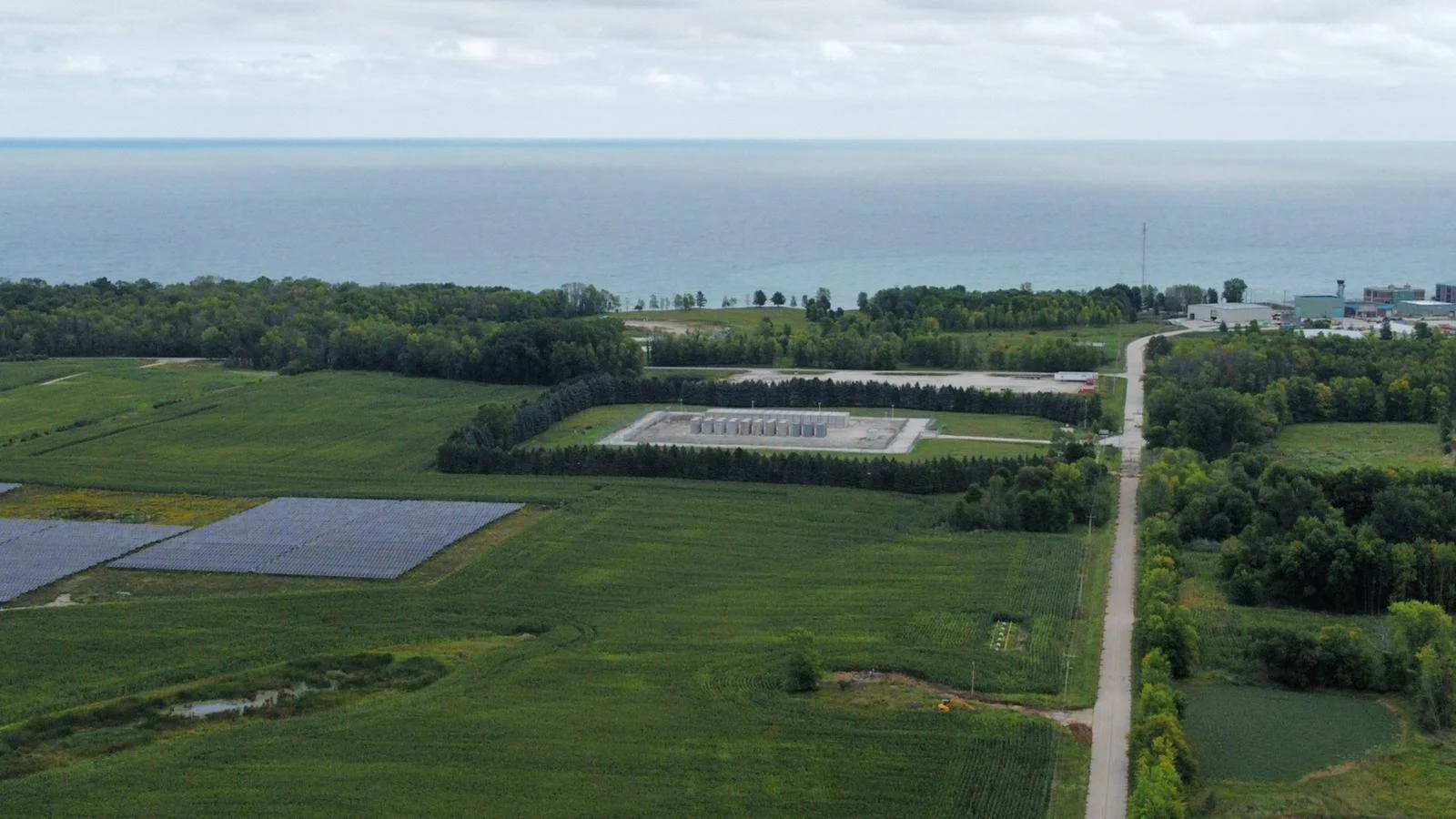
Oracle states that the planned subscription to part of the Point Beach purchase-power arrangement remains subject to approval by the Public Service Commission of Wisconsin. That condition is central to the story because the regulator can review who bears costs, how the agreement interacts with utility rates and whether the proposed structure serves customers. Until a final order and executed terms are available, the announcement should be described as a commitment or proposal, not as an approved tariff outcome or guaranteed household saving.
Point Beach provides continuous nuclear generation
Point Beach has supplied Wisconsin with baseload nuclear electricity for more than fifty years, according to Oracle. A large data center can value continuous generation because its servers, networking and cooling operate around the clock. Bitcoin mines also seek dependable low-cost power, although many can curtail more rapidly than a cloud campus. A subscription to existing generation does not by itself create new megawatts, so grid studies must still account for transmission, local capacity, outages and competing demand.
The commitment is linked to Project Lighthouse
Oracle connects the proposal with Project Lighthouse, its data-center development in Port Washington. The company says the project is expected to create more than $11 billion in local economic activity, over 4,000 skilled construction jobs during three years and 1,000 continuing operations positions. Those numbers are forecasts supplied by Oracle, not completed results. The October release does not provide construction progress, commissioned IT load, occupancy, customer contracts or a schedule showing when each planned block of capacity will become operational.
Oracle says the campus will pay its energy costs
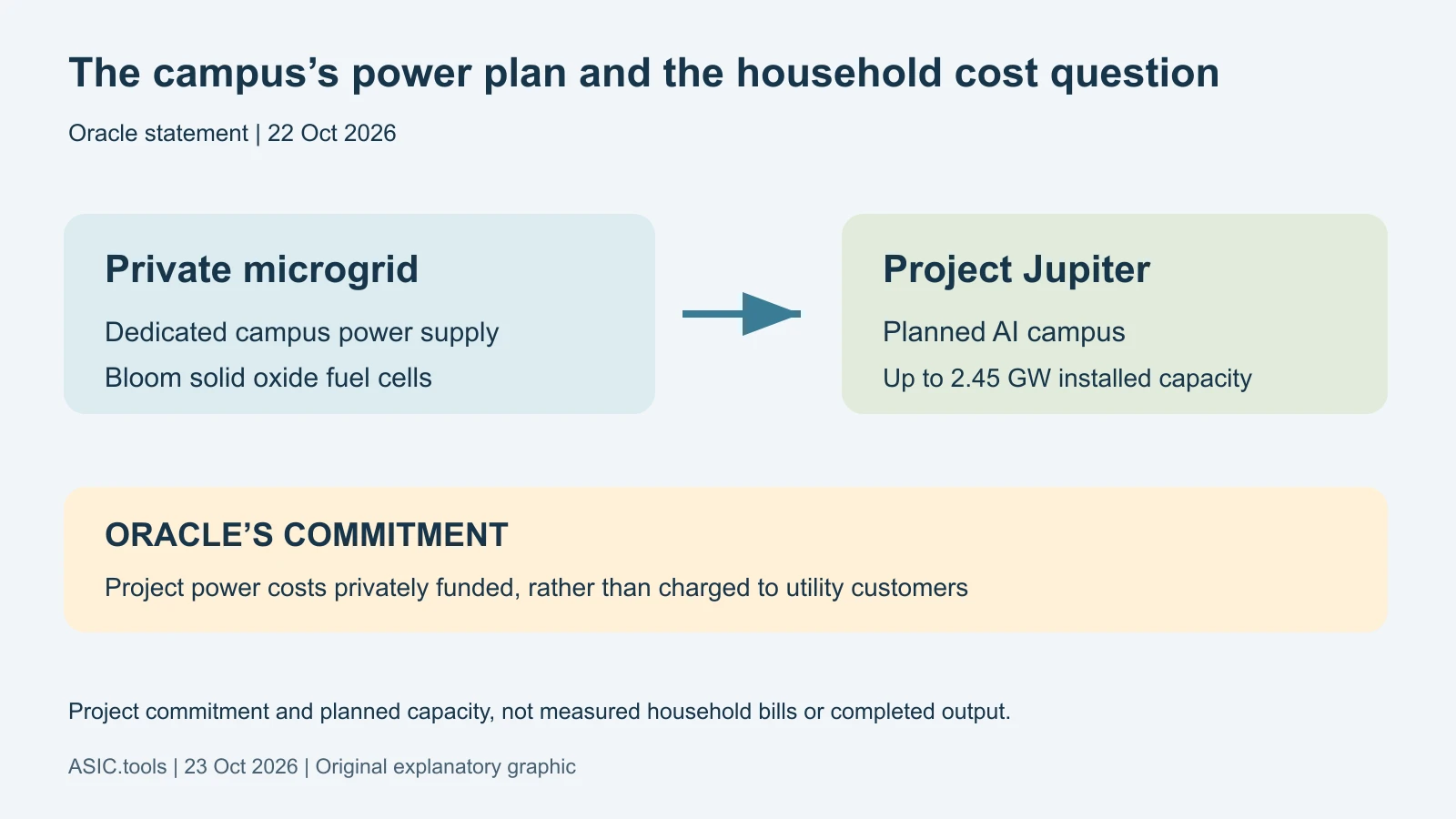
The company also says it will fully fund Project Lighthouse energy costs to protect other customers’ bills and support grid reliability. That principle matters wherever high-density compute competes for generation and transmission. The practical result will depend on the approved tariff, contracts, infrastructure charges and actual load profile. Readers should look for the regulator’s decision and utility filings rather than assuming a press release alone determines the final allocation of fuel, transmission and capacity costs.
AI campuses and mines create similar grid questions
AI data centers and ASIC farms differ in server design and service obligations, but both convert large blocks of electricity into computation. Communities want to know whether new load requires generation, substations and transmission, who finances those assets and whether flexible operation can reduce system stress. Oracle’s proposal is relevant to miners because it offers one possible structure: a large customer subscribes to generation and says it will bear incremental costs. The model still needs transparent regulatory terms and measured performance.
The $300 million figure needs careful wording
Oracle describes approximately $300 million in rising Point Beach energy costs and expected savings for utility customers. It does not publish a customer-by-customer bill calculation, the subscription volume, contract duration, energy price or sensitivity to plant costs in this announcement. The amount should therefore be reported as Oracle’s estimate tied to the proposed arrangement. It should not be converted into an average household rebate or presented as a direct payment without supporting commission documents.
What to verify as the review proceeds
The strongest follow-up evidence will be a Public Service Commission docket, the approved purchase-power terms, utility cost allocation, subscribed megawatts, contract duration and any protections if Project Lighthouse load arrives later than planned. Operational reporting should then show commissioned critical IT load, actual energy use, reliability and whether promised local costs remain with the project. Oracle’s October 2 announcement establishes intent and scale, while approval, execution and measured customer impact remain future milestones.
Source: Oracle ↗
Mining calculator ↗