Fortitude raises its DCG credit-facility ceiling to $50 million
Source report: 2026-09-23 · Editorial analysis published: 2026-09-24
The amendment lifts the commitment from $26 million to $50 million and leaves about $31 million available. Future advances may arrive in ZEC but remain dollar-denominated debt.
Analysis and practical implications
This section is our analysis and illustrative calculations, separate from the source report.
What changed in the facility
Fortitude Mining said on September 23 that an amendment increased the aggregate commitment under its parent-company DCG credit facility from $26 million to $50 million. About $7 million remained from the original commitment, so the company describes approximately $31 million of remaining borrowing capacity after the $24 million increase. These figures describe a contractual ceiling subject to the facility terms; they are not reported mining revenue, equity capital or an unconditional bank balance.
Available capacity is not cash on hand
Borrowing capacity becomes funding only when conditions are met and a draw is made. Fortitude says the original facility began June 1, 2026 and permits borrowings for up to 18 months from that date. The company anticipates drawing the roughly $7 million remainder of the initial commitment before the end of September, but an expectation is not a completed transfer. Readers should look for later disclosures showing draw dates, assets purchased, interest expense and outstanding principal.
ZEC funding still creates dollar debt
The amendment gives DCG the option to fund future loans in ZEC rather than cash. The loans are valued at transfer and denominated and repayable in US dollars, while Fortitude says it intends to sell all ZEC received through market transactions. That structure introduces timing, liquidity and execution exposure between receipt and sale. A change in ZEC price does not automatically change the dollar debt, and gross token value is not the same as net cash after spreads, fees and market impact.
Planned uses center on mining expansion
Fortitude lists Zcash mining-machine purchases, facility acquisitions, greenfield construction and infrastructure expansion as intended uses. The wording describes management plans, not allocations already completed. Capital deployed to hardware competes with site electrical work, cooling, transformers, networking, spares and working capital. Evaluating the strategy requires delivered hashrate, power cost, uptime and production data rather than the headline facility size alone.
The 9,000-machine order adds execution risk
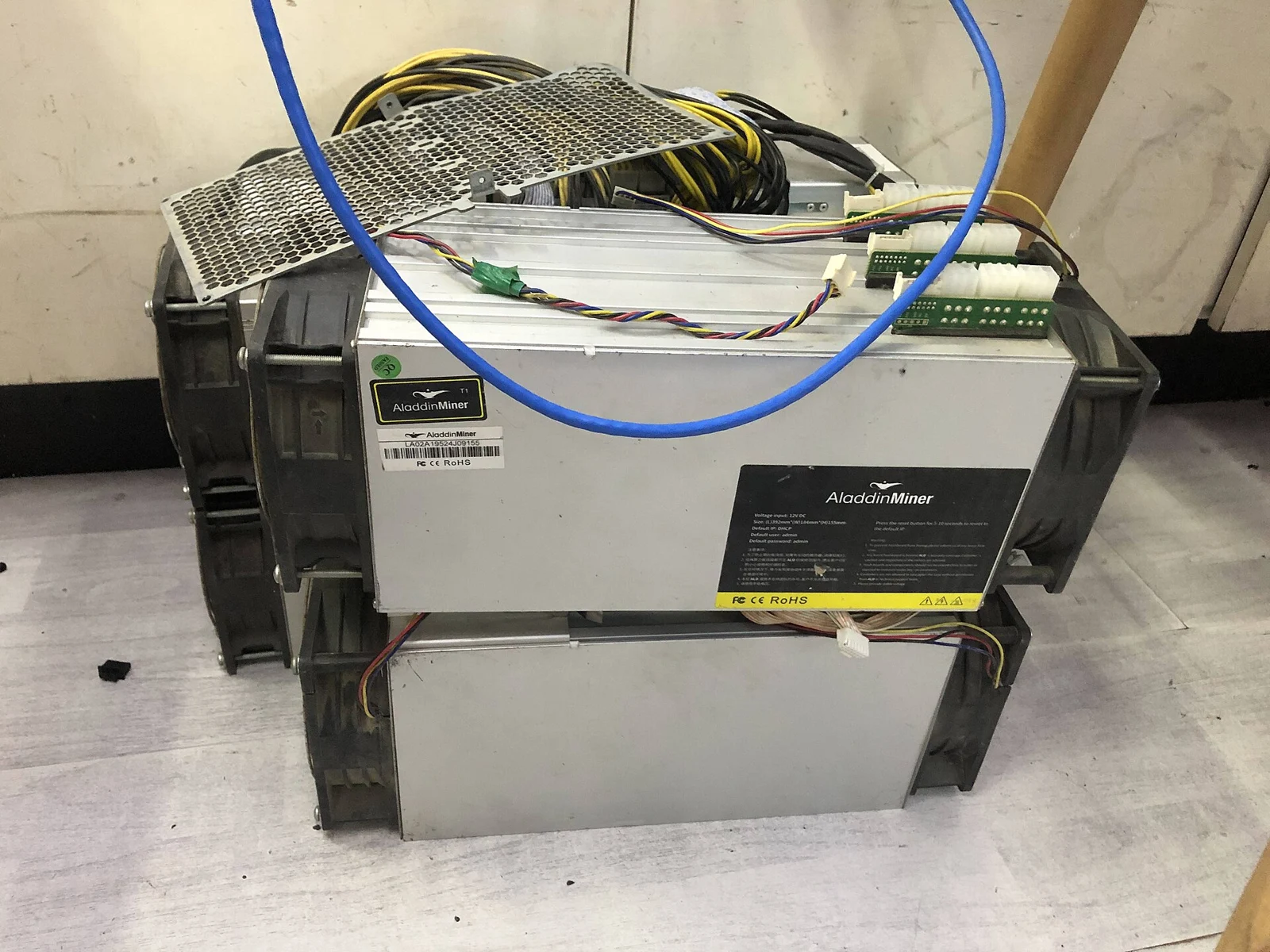
The company links the remaining initial commitment to payments on previously announced orders for 9,000 Bitmain Antminer Z15 Pro units. An order count does not establish delivery, energization or productive capacity. Useful milestones include shipment schedules, model specifications, acceptance tests, deployed locations, available MW and the share actually hashing. Zcash network difficulty and ZEC price can change before a fleet arrives, altering economics even if the hardware performs as specified.
Security and covenants matter
The facility is secured by a first-priority lien on certain equipment and, if DCG elects, real property acquired with loan proceeds and related collateral. It also includes mandatory prepayment provisions and customary restrictive covenants. Secured borrowing can accelerate expansion but places claims on assets and cash flows. Investors and operators need the interest rate, maturity profile, draw conditions, covenant headroom and collateral coverage to assess financing cost and downside exposure.
The merger remains a proposed transaction
Fortitude refers to its proposed business combination with HeartSciences and an anticipated listing under the ticker TUDE. Proposed and anticipated are the operative words: the transaction remains subject to filings, approvals and closing conditions. The credit amendment is not evidence that the merger has closed. Operational claims should be evaluated separately from public-listing plans, and no future ticker should be treated as current trading availability.
What to watch after the announcement
The next evidence should include actual ZEC transfers, realized sale proceeds, debt balances, equipment payments, machine deliveries, energized sites and production attributable to the new capital. Because the lender is the parent company, related-party terms and governance deserve the same attention as nominal capacity. The most useful measure will be how much verified, efficient hashrate the borrowing brings online per dollar of all-in capital, after financing and infrastructure costs.
Source: Fortitude Mining ↗
Mining calculator ↗