Flex completes EPC Power acquisition; Axiom separation remains planned
Source report: 2026-10-14 · Editorial analysis published: 2026-10-15
Flex’s October 14 release confirms the completed EPC Power acquisition and its addition to Cloud and Power Infrastructure. A separate proposed Axiom spin-off remains targeted for the first calendar quarter of 2027.
Analysis and practical implications
This section is our analysis and illustrative calculations, separate from the source report.
A completed acquisition and a separate future transaction
Flex announced on October 14 that it has completed its acquisition of EPC Power, placing the power-conversion business in its Cloud and Power Infrastructure segment. The announcement also reiterates a plan to separate that segment into Axiom Solutions International in the first calendar quarter of 2027. The purchase is completed; the separation is still proposed and carries its own conditions and risks.
These are not two equivalent completion statements. The release’s forward-looking section explicitly discusses uncertainty over the spin-off’s timing, approvals and anticipated benefits. A corporate timeline should consequently record the EPC closing and the planned Axiom separation as different entries. It should not call Axiom an already independently listed company simply because the company name and a target quarter are disclosed.
What capability enters the portfolio
Flex describes EPC Power as a provider of power-conversion and grid-forming technology, combining proprietary hardware, software and controls with U.S. engineering and manufacturing. It connects the acquisition to higher-density AI infrastructure and future 800 V data-center architectures. This is a statement about the portfolio’s capabilities, rather than a published performance result from every future customer installation.
Power conversion changes the electrical interface used to deliver energy, while control determines how equipment responds within its design limits. A corporate acquisition can combine suppliers and engineering resources without automatically changing a particular facility’s wiring or accepted voltage. The release does not identify a compatible Bitcoin ASIC model or authorize direct connection of existing miners to an 800 V distribution system.
Deployed GW is not new generating capacity
The release attributes more than 15 GW of deployed technology to EPC Power. Its own website also uses that deployed-systems scale. This describes a cumulative power-conversion footprint, not 15 GW of newly built fuel-burning or renewable generation commissioned by Flex on October 14. It is also not an annual energy total, a newly signed order book or a claim that all that equipment serves AI data centers.
Adding conversion capacity to generation capacity in a single supply total would count unlike parts of the energy path. An inverter, transformer and generator can serve the same load without contributing three independent sources of electricity. The practical comparison should identify whether a figure describes generation, a conversion rating, stored energy, a connection limit or an actual time series of delivered output.
Grid-forming claims need an operating context
EPC Power markets controls intended to support grid stability and manage changing loads. Those functions concern the response of a power-electronics system, not the creation of unlimited energy. A control mode cannot overcome an exhausted energy source or a physical output limit. The acquisition release does not contain an independent acceptance dataset proving every response mode at every customer site.
For a useful evaluation, distinguish the disturbance applied, the source supplying energy, the output limit, the protection settings and the load that remains supported. A supplier’s fast-control description and a site’s demonstrated ability to ride through an interruption are related but different evidence. This distinction is especially relevant when a large computing load changes quickly: response quality needs measurement at a stated boundary and interval.
Availability and conversion efficiency are different measures
EPC’s website promotes high availability for its platforms. Availability concerns the time a service is usable; conversion efficiency concerns output energy relative to input energy at a specified boundary. Neither term is a substitute for the other, and a corporate transaction does not turn a supplier’s portfolio claim into a measured guarantee for every configuration. We do not carry an availability percentage into a miner’s efficiency specification.
An illustrative comparison makes the units clear: over a 1,000-hour interval, 99% availability corresponds to 990 available hours under that chosen definition. Separately, delivering 1,000 kWh through a hypothetical 95%-efficient conversion path would require approximately 1,052.63 kWh at the input. These are examples, not EPC product measurements. They show why a time ratio and an energy ratio cannot be interchanged when forecasting a farm’s operating result.
An integrated supplier does not settle project economics
The closing release does not disclose the acquisition price or a customer electricity tariff. It also does not supply a universal efficiency improvement, installation saving or payback period attributable to the transaction. The planned integration of power, cooling and compute capabilities is a business rationale whose project-specific benefits would need evidence after equipment selection, installation and operation.
A farm comparing an electrical upgrade should retain purchase, installation, downtime, losses, maintenance and usable capacity as separate inputs. A supplier’s new corporate owner is relevant to contracting and support, but cannot fill unknown cost fields. It would be misleading to invent a fixed financial benefit from the acquisition or to assume the transaction changes the tariff, warranty or service agreement on every existing piece of EPC equipment.
The Axiom plan has a distinct documentation trail
Flex’s release says it filed a proxy statement on October 5 concerning spin-off-related proposals and that Axiom filed a Form 10 registration statement. The existence of those filings is a procedural milestone; it is not completion of the separation or proof that all approvals are already satisfied. The first calendar quarter of 2027 remains the company’s intended timing, with the uncertainties stated in its forward-looking language.
For readers following corporate infrastructure supply chains, useful next evidence would identify approvals, a confirmed effective date and the responsibilities of the resulting entities. A transaction record can be updated when those events occur without retroactively marking a proposal completed on October 14. We report the distinction rather than making an investment recommendation or predicting a stock-price response to a future legal or corporate step.
What changes for ASIC owners today
The confirmed change is ownership of a power-conversion supplier within Flex’s infrastructure segment. It provides context for how vendors assemble power, cooling and computing capabilities for large loads. It does not announce a new mining ASIC, a modified proof-of-work algorithm, a miner firmware release or an already executed change to a customer’s electrical installation. Existing catalogue specifications and calculator assumptions therefore remain unchanged.
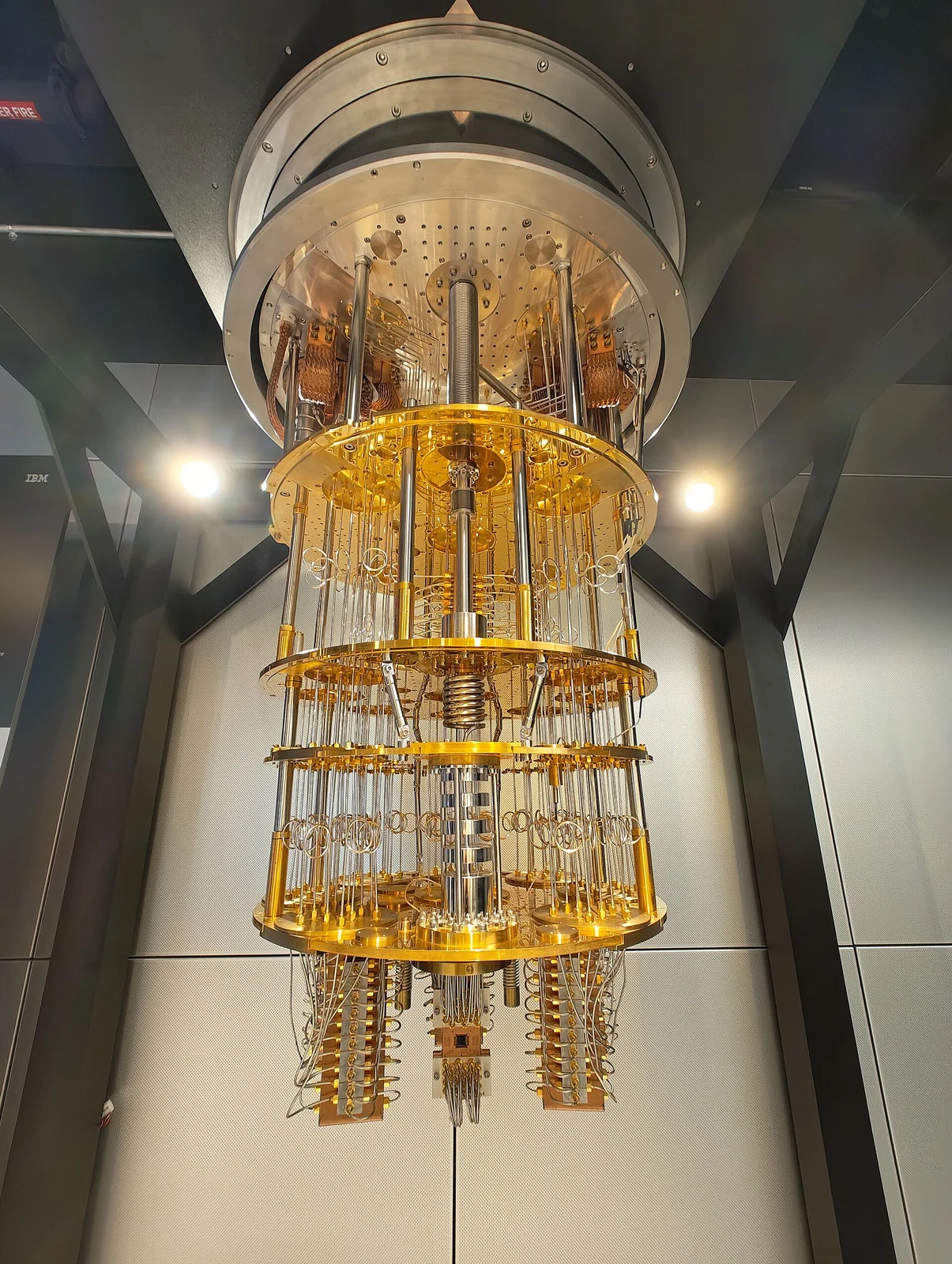
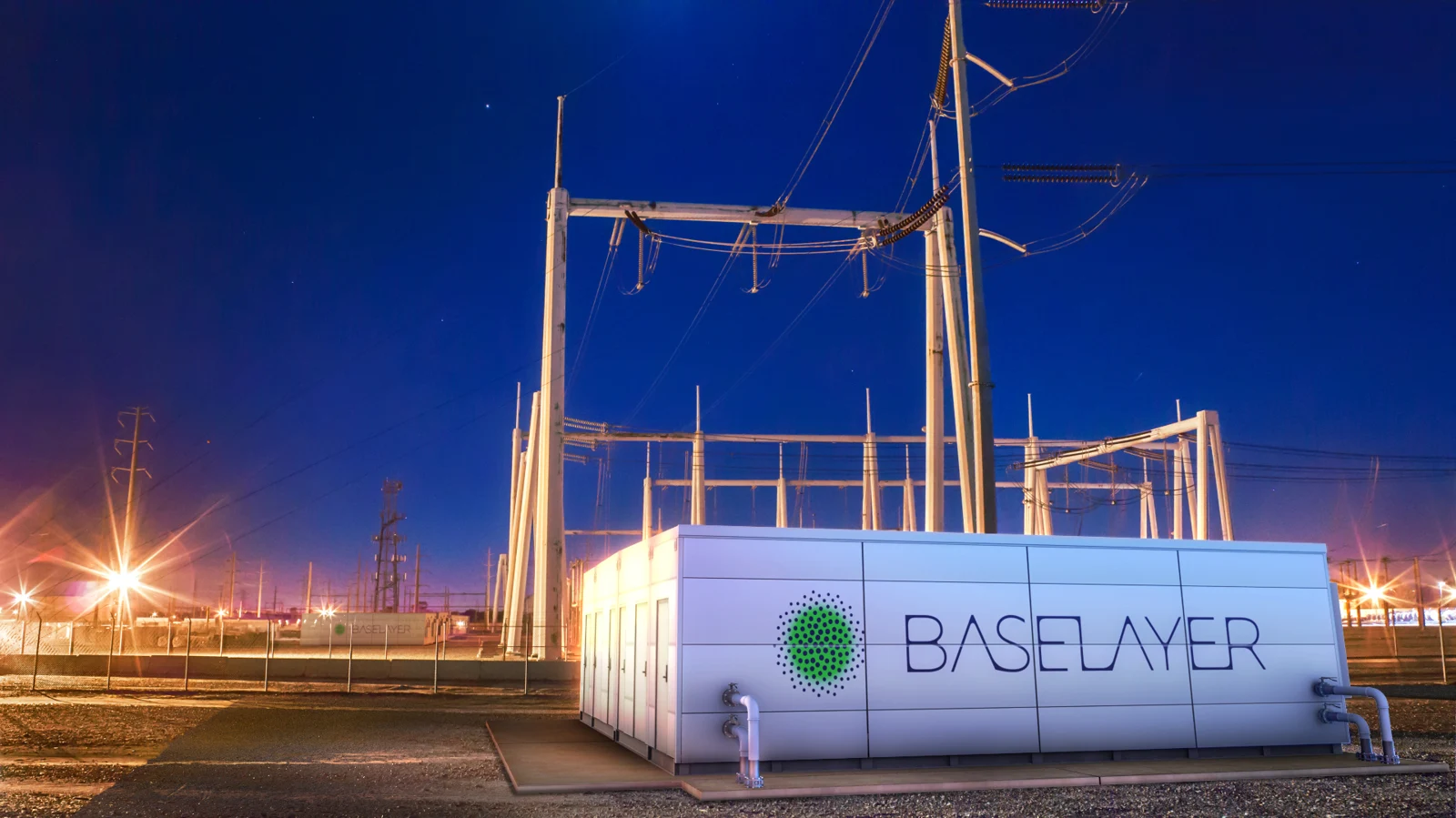
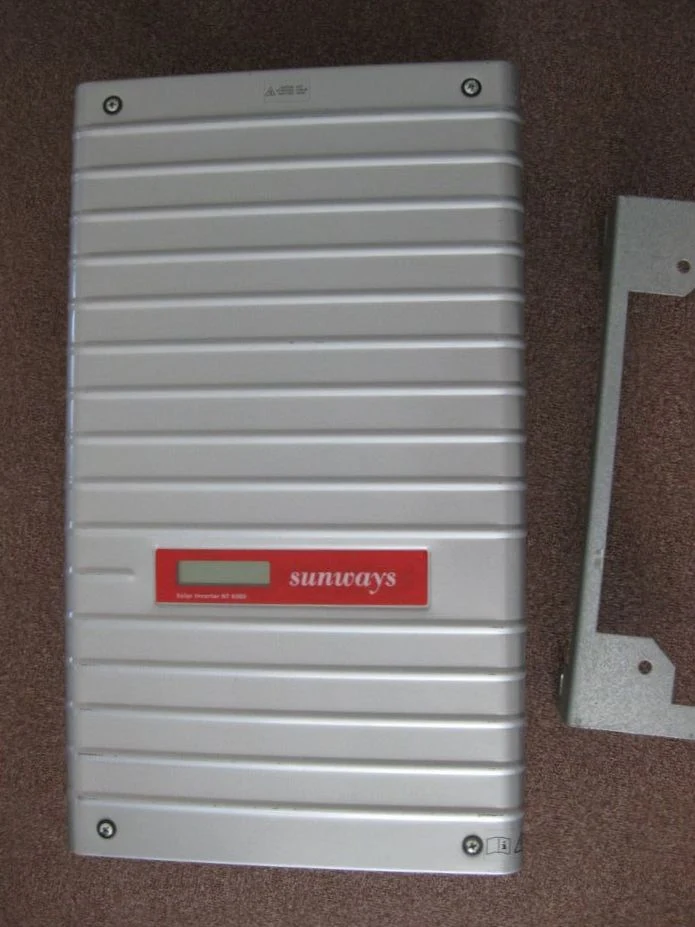
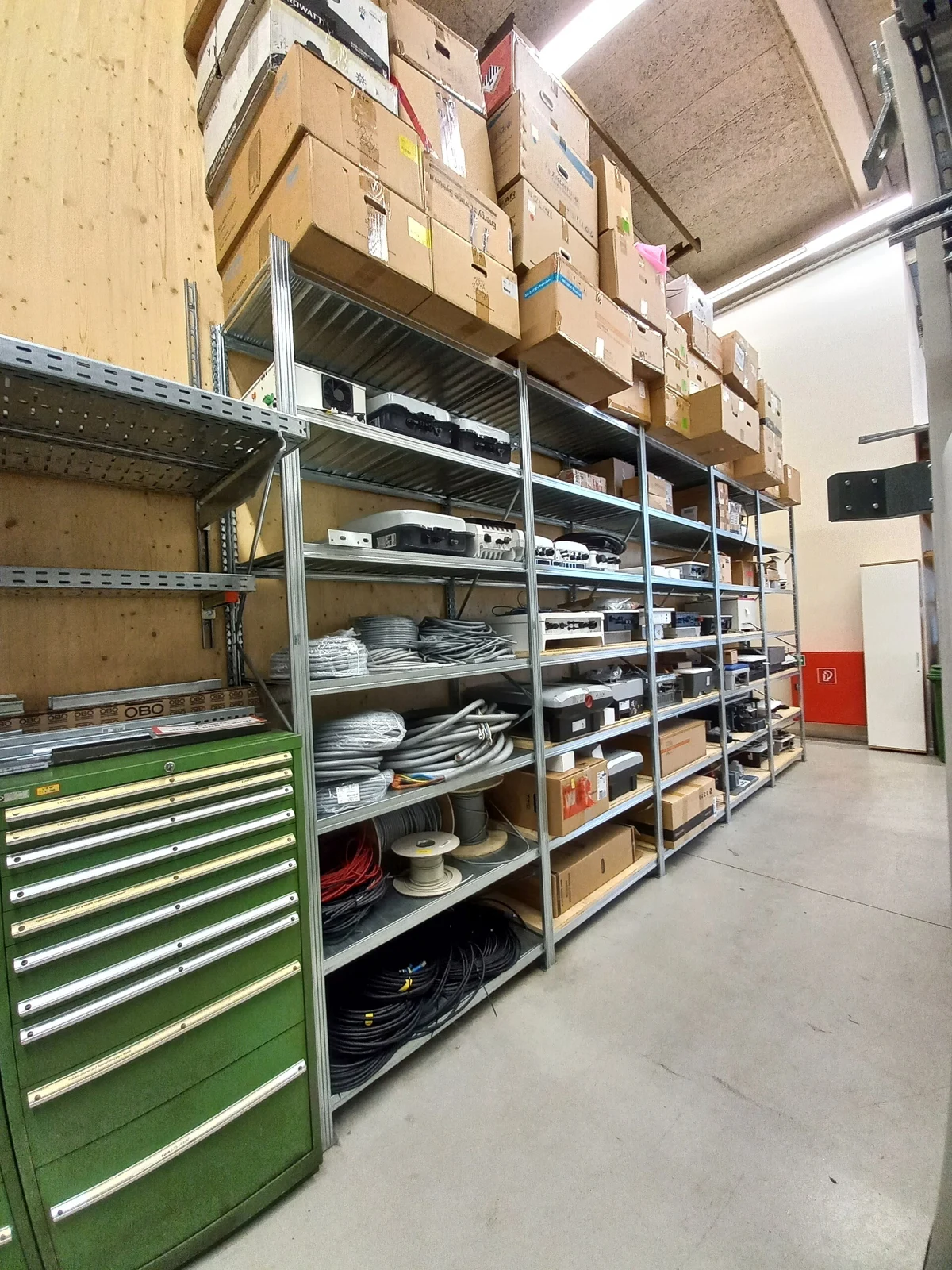
The photographs are historical power-electronics and electrical-infrastructure illustrations, not photographs of a newly completed Flex customer deployment. Our calculations are explicitly hypothetical. The acquisition closing, the vendor’s installed technology base and the proposed Axiom separation have different scopes and statuses. Keeping them separate makes subsequent product or commissioning announcements easier to assess without counting a corporate milestone as newly energized computing capacity.
Source: Flex / PRNewswire ↗ · EPC Power technology and platform overview ↗
Mining calculator ↗