Ethiopian miners receive 23% of contracted power: what the latest report confirms
Source report: 2026-09-15 · Editorial analysis published: 2026-09-16
Bloomberg’s September 15 report describes power allocation at 23% of mining contracts. Epic Mining’s earlier notices show that the restrictions did not begin on that date.
Analysis and practical implications
This section is our analysis and illustrative calculations, separate from the source report.
What the September 15 report says
Bloomberg’s September 15 reporting, republished by The Edge, describes Ethiopian mining customers receiving about 23% of contracted electricity allocation as hydroelectric conditions constrain supply. It attributes the explanation to Ethiopian Electric Power chief Ashebir Balcha. The percentage relates to mining contracts, not to the share of national electricity consumed by miners. For operators, the important development is continuing restricted access to power. It does not establish that every individual site is receiving an identical schedule or that every ASIC in Ethiopia is offline.
The restriction predates the new headline
The chronology matters. Epic Mining’s own operational-status page, updated September 9, already describes the 23% allocation. Its July notices say the measure applied from July 10. That is direct evidence from an affected operator that the constraint was in place before the September 15 news coverage. ASIC.tools therefore treats the new report as an update on an ongoing restriction, not a newly imposed September shutdown. A customer assessing a hosting statement should match the reported operating period with the notice date, rather than resetting the incident timeline to the latest headline.
Power allocation is not the same as operating hours
An illustrative 10 MW contracted site would have 2.3 MW available if a 23% capacity limit were applied uniformly to it. Running at that level for 24 hours gives 55.2 MWh, compared with 240 MWh at the full contracted load. These are example energy calculations, not measurements at an Ethiopian farm. The same percentage cannot automatically be entered as 23% uptime in a calculator. A site might run a smaller fleet continuously, rotate groups or operate under a varying allocation; metered intervals are needed to distinguish those cases.
Fleet selection changes the result
When less power is available, turning off an arbitrary fraction of machines can produce a different result from prioritizing productive work per unit of energy. A useful assessment compares accepted hashrate, actual wall consumption, rejected work and the cost of restarting each device. Lower-power settings may change efficiency, but their effect must be measured for the installed hardware and firmware. The site also needs power for network equipment, controls and cooling. The headline allocation should not be treated as a budget that can be entirely assigned to ASIC nameplate wattage without accounting for those loads.
Fixed charges do not shrink automatically
Consider a separate hypothetical hosting site with 1,000 identical active devices and $30,000 in monthly fixed expenses. That is $30 per active device before variable costs. If only 230 devices remain productive while the fixed expenses are unchanged, the same bill becomes about $130.43 per active device. This example assumes homogeneous equipment and does not describe an actual contract. Electricity savings during curtailment are real only within the billing terms; rent, salaries, connectivity or debt payments may remain. A lower total energy bill can coexist with a higher cost per unit of accepted work.
Distinguish a site power event from a device fault
Monitoring should connect the time of an electricity restriction with site meters, controller availability and pool-side accepted work. A miner that goes offline with the entire site is not automatically a failed hashboard. Before counting the incident as a hardware defect, compare neighbouring devices and the facility’s power record. Restoration should follow the operator’s and manufacturer’s procedures, including the limits of the electrical and cooling infrastructure. Repeated unplanned starts can also distort short snapshots: a brief hashrate reading immediately after reconnection is not equivalent to stable output over a complete reporting interval.
Hosting comparisons need an availability record
A low quoted tariff says little about how much useful work will be delivered if power availability is uncertain. Compare the same time window, measured allocation, accepted hashrate and the treatment of fixed and variable charges. If an operator quotes an availability percentage, establish whether it describes grid supply, energized racks or actual hashing. These are different measurement boundaries. Moving machines also has transport, setup and downtime consequences, so a country-level headline cannot replace a site-specific comparison. The observation here concerns documented restrictions, not a claim that all hydro-powered mining locations share the same risk.
Use capacity arithmetic as a ceiling, not a dispatch plan
The illustrative 2.3 MW allocation equals 2,300 kW. Dividing it by a hypothetical 3.5 kW per miner gives 657 whole machines before any auxiliary consumption. That mathematical ceiling is not an approved operating plan: cooling, network loads, distribution limits and reserve capacity still need to be accounted for. If power is delivered intermittently, the daily energy outcome changes again even when the maximum capacity is identical. This is why an operator should report both allowed power and actual energy, alongside productive hashrate, rather than compressing all three into one percentage. Retain the original meter and pool records so the next update can be checked against the same measurement boundary.
What would establish a recovery
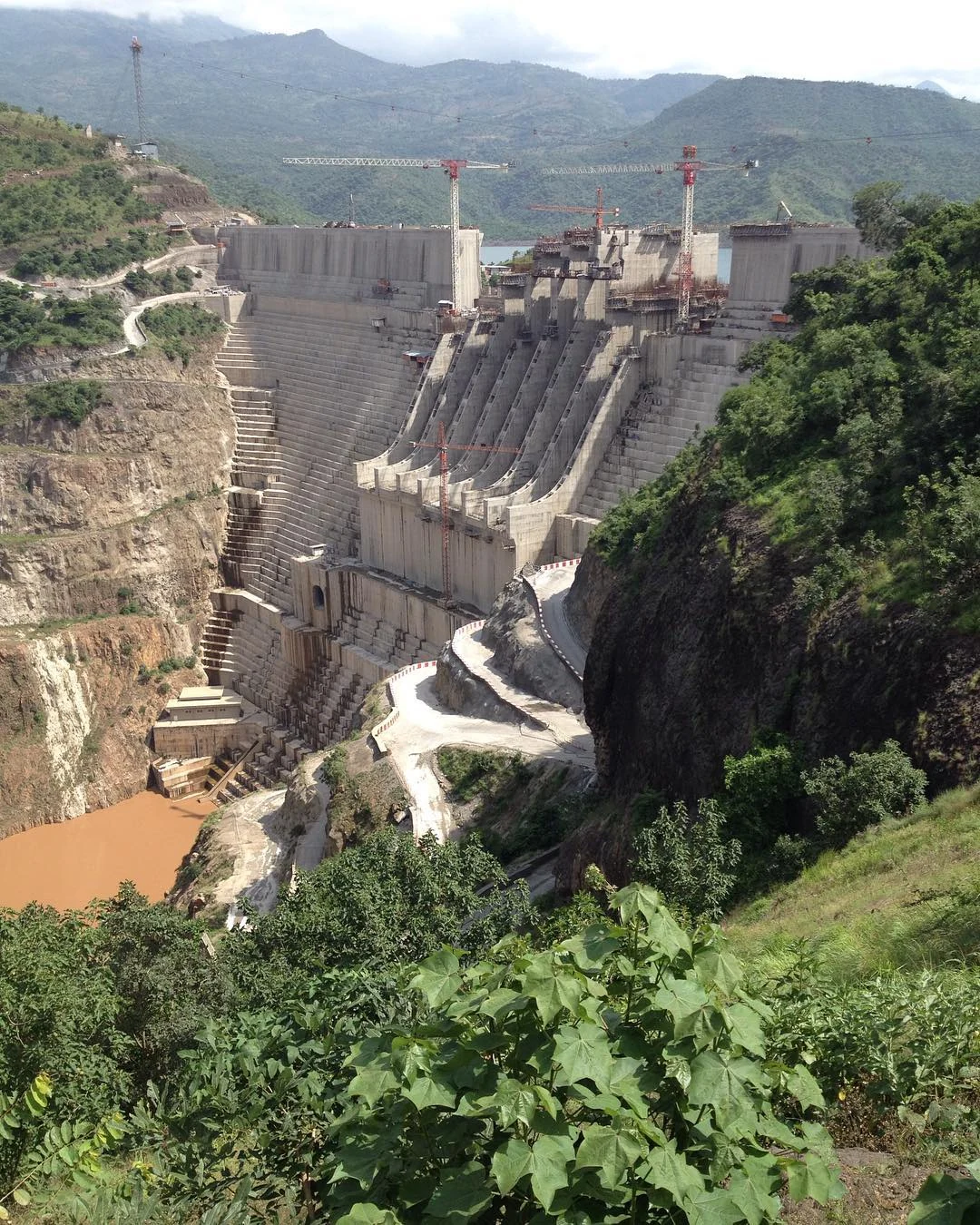
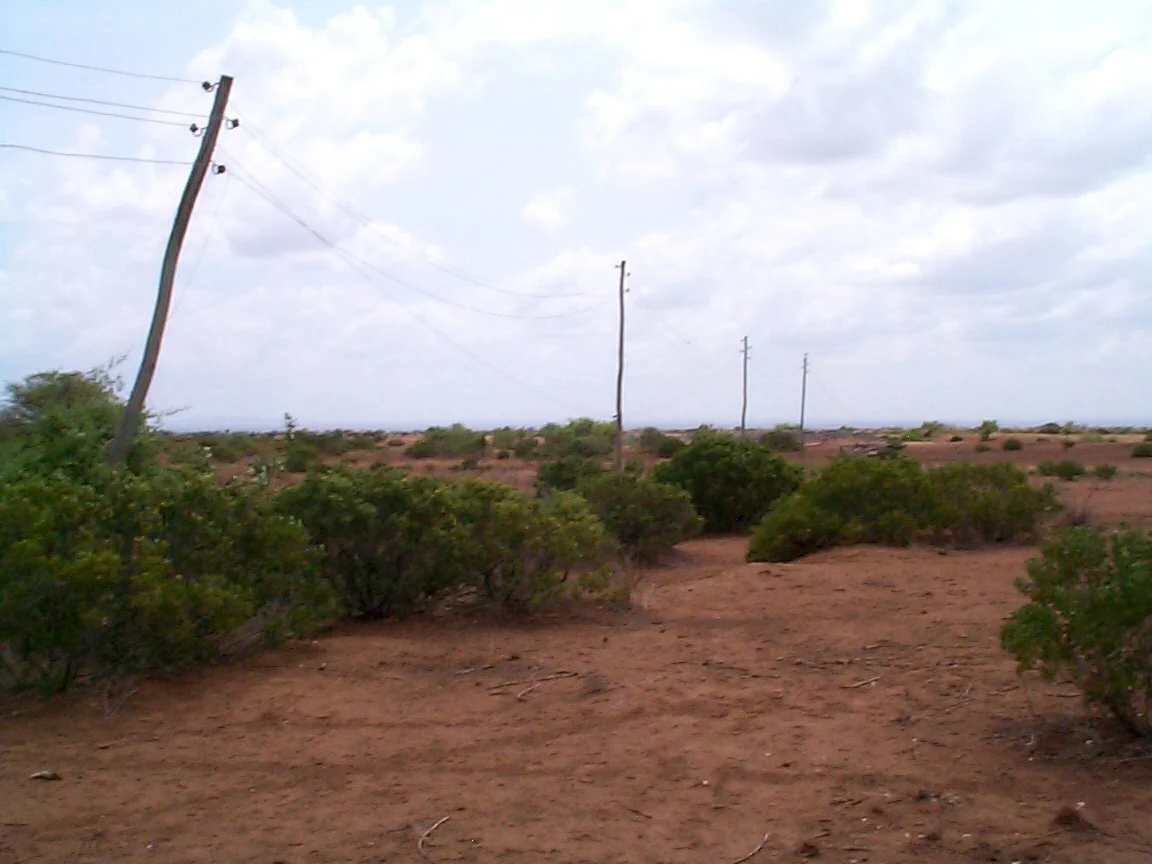
The Bloomberg report says the situation will be reassessed in October; a review is not a promise that full electricity delivery will resume then. Evidence of recovery would include a new allocation notice, sustained meter readings and accepted pool work over a stated period. Rainfall news alone does not show the amount delivered to a particular facility. Until those measurements exist, keep confirmed output separate from planned restoration. The archive photographs illustrate Ethiopian hydropower and electricity infrastructure; they do not show current reservoir levels or prove conditions at any affected mining farm.
Source: Bloomberg / The Edge ↗ · Epic Mining — operational status and July notices ↗
Mining calculator ↗