DMG shifts Christina Lake tenant-server timing toward 2027
Source report: 2026-09-14 · Editorial analysis published: 2026-09-16
How to read an AI conversion timeline without confusing planned capacity with operating revenue.
Analysis and practical implications
This section is our analysis and illustrative calculations, separate from the source report.
The revised timing
DMG's September 14 update points to 2027 for energizing tenant servers at Christina Lake; the definitive agreement remains pending. Publication dates should be read carefully: the distributor URL contains September 15, while the release identifies September 14 in Eastern Time. The following is original editorial analysis of how to assess a conversion schedule, not an independent construction inspection. For mining operators, this distinction matters because an existing site, a proposed tenant and a working compute service represent different operational and commercial states.
Build a chain of milestones
A useful project record separates design, permits, financing, equipment procurement, installation, commissioning and customer acceptance. Attach evidence and an owner to each step instead of treating a single target date as proof that every dependency has been resolved. Where activities can run in parallel, show that explicitly; where one must finish before another begins, preserve the dependency. This method helps explain a schedule change without automatically classifying every preliminary expenditure as either wasted money or completed capacity.
Keep facility power and IT load separate
Electricity entering a site is not necessarily equal to power reaching servers. Cooling and other supporting systems also consume energy. In a hypothetical illustration, a facility drawing 12 MW while supplying 10 MW to IT equipment has a power usage effectiveness ratio of 1.2. This arithmetic is not a measurement of Christina Lake. When comparing projects, require the same system boundary and measurement period. A design ratio and a metered operating ratio answer different questions, especially when a building is only partly occupied.
Availability is a separate dimension
A capacity figure should be accompanied by the terms under which energy can be delivered. For an operator's due diligence, ask what happens during interruption, what equipment must remain powered and how service restoration is sequenced. Do not infer customer-service guarantees from a headline megawatt total. Backup arrangements, testing and maintenance windows belong in the operational assessment. Their relevance depends on the workload and the customer contract, so a design suitable for one use cannot simply be declared suitable for another.
Test network diversity rather than counting cables
For a potential compute tenant, two network connections should be evaluated for genuinely separate physical routes and failure points. Two invoices or two ports do not independently establish that separation. Ask for route documentation, failover behavior, maintenance coordination and observed latency under the intended workload. These are general diligence questions, not claims about this site's network performance. Connection bandwidth is also different from an application's usable throughput; endpoints, internal switching and software behavior can constrain the final result.
A signed contract still needs delivery
Separate a proposal, a definitive contract, available infrastructure, installed customer equipment and recognized service revenue. Each stage answers a different question. For internal planning, keep an evidence register rather than multiplying proposed capacity by an assumed price and presenting the result as earned revenue. A hypothetical contract should remain a scenario until its relevant obligations and start conditions are satisfied. This is a way to organize information, not a valuation of DMG or a recommendation concerning its shares.
Compare the alternative uses of the site
A mining operator evaluating conversion should record the equipment being retired or moved, the conversion spending, the time without service and the requirements of the replacement workload. There is no universal exchange rate between an ASIC hashrate figure and AI capacity. The machines perform different work, and a building needs assessment beyond its power connection. Keep any retained mining activity separate from the new project in operating records so that a change in one business is not mistaken for measured output from the other.
What would confirm the next stage
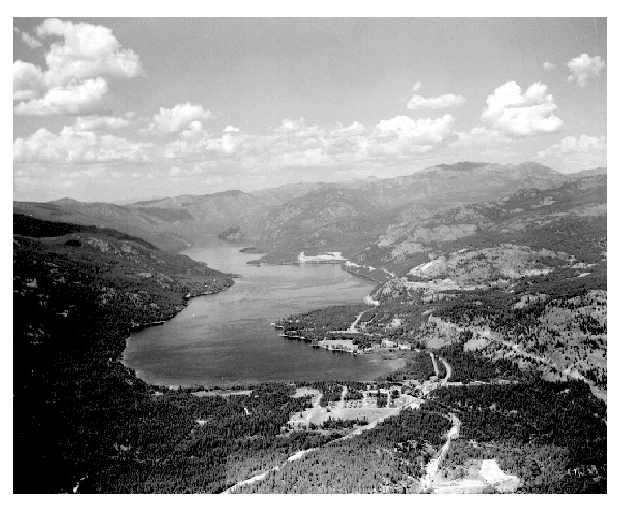
The next useful evidence includes signed commitments, completed approvals, commissioning results and actual customer acceptance. Report these as dated milestones rather than retroactively treating an earlier target as accomplished. ASIC.tools has not inspected the construction site or independently audited the proposed service. The archival image shows the Christina Lake landscape for geographic context; it does not depict the DMG facility. Readers should follow subsequent primary releases for changes in project status and distinguish plans from completed operating results.
Preserve revisions in the project register
Keep each dated schedule rather than overwriting the previous one. For every revision, identify the changed milestone, its dependency, the evidence available and which later activities could be affected. Distinguish a supplier estimate from a contractual commitment and a completed acceptance record. A planned delivery arriving on site does not by itself establish commissioning; similarly, commissioning does not prove the customer has accepted the service. Use separate status fields so a single progress percentage cannot hide those differences. When an operator compares mining with another workload, apply the same reporting period and identify which shared costs are allocated to each activity. This avoids an apparent improvement caused only by moving expenses between categories. Where the available documents do not answer a question, leave it unresolved and record the next expected evidence.
Source: DMG Blockchain Solutions / GlobeNewswire ↗
Mining calculator ↗