Delta debuts prefabricated SST-based DC power system at Energy Taiwan
Source report: 2026-10-14 · Editorial analysis published: 2026-10-15
Delta’s October 14 showcase combines solid-state conversion, control and optional storage. Its efficiency and deployment-time figures are supplier claims with different boundaries, not measured improvements to an existing mining farm.
Analysis and practical implications
This section is our analysis and illustrative calculations, separate from the source report.
A prefabricated power-conversion showcase
Delta announced a prefabricated solid-state transformer, or SST, based DC power system at Energy Taiwan on October 14. The containerized design combines SSTs, DC/DC conversion and controls for microgrids serving AI, high-density computing and manufacturing. The company says modular prefabrication can shorten on-site deployment by up to 50%. It is a product showcase, not a report that every announced customer installation has completed commissioning.
The exhibition runs October 14–16 in Taipei. Delta’s wider presentation includes storage, dispatch and on-site solid oxide fuel-cell generation. These are related parts of an energy system with different functions and maturity. The release does not identify a new mining ASIC, a miner firmware package or a measured performance result from a named Bitcoin farm. Its relevance is the development of electrical infrastructure around large computing loads.
SST efficiency and grid-to-chip performance use different scopes
Delta claims SST energy efficiency up to 98.5% and a grid-to-chip energy-efficiency improvement up to 4–5% in AI data centers. The component figure and the path-wide comparison cannot be added into one percentage. The release does not provide a complete independent test report with baseline architecture, loading conditions and loss allocation for every proposed deployment.
For an illustrative boundary, delivering 100 kWh through a hypothetical single stage at 98.5% efficiency requires approximately 101.52 kWh at its input. That is arithmetic using the supplier’s stated upper value, not a guarantee for an entire installed system. Every additional stage and auxiliary load needs its own place in the energy balance. A high component efficiency cannot simply replace a farm’s measured wall-power input in the mining calculator.
Fewer stages still require a compatible electrical design
Reducing conversion stages can change where losses and equipment are located, but it does not remove the need to match voltage, isolation, protection and equipment ratings. A DC/DC stage has a defined input and output relationship. An SST, control system and downstream load must be assessed together rather than treating the absence of one conventional conversion stage as permission to bypass required interfaces.
The announcement does not provide a certified connection plan for a particular ASIC power supply. Existing miners should not be recorded as compatible merely because both a new infrastructure system and a PSU use the word DC. Hardware catalogue entries still require their own manufacturer specifications. The corporate showcase does not change a miner’s permitted input, hash algorithm, thermal limit or firmware support.
Deployment-time claims are not the whole project schedule
The up-to-50% figure concerns on-site deployment, with less wiring, installation and commissioning work in the prefabricated approach. It is not a statement that land acquisition, permitting, equipment production, grid connection and all acceptance steps take half as long. The relevant comparison requires the same start and end points for the conventional and prefabricated work packages.
As a hypothetical example, reducing a 20-day on-site task to ten days would halve that task. If 80 separate days of other work were unchanged, a sequential 100-day programme would become 90 days, not 50. These are selected numbers, not Delta’s project schedule. Parallel work and critical-path dependencies could produce another result, which is why a site-time percentage should not be promoted as a universal time-to-revenue improvement.
Rapid battery response is different from stored-energy duration
Delta says a high-C-rate battery can be incorporated, depending on site requirements, to respond to AI load fluctuations with millisecond-level support. Response speed describes how quickly support can begin or change. It does not identify the battery’s usable energy, the length of an outage it can cover or the amount reserved for other operating requirements.
For an illustrative ideal case, a 100 kWh store supplying 200 kW would last half an hour before losses and other limits, provided that output power were permitted. A millisecond response claim alone cannot fill either input. The release supplies no universal battery energy rating for every system configuration. Storage, control response and sustained generation should therefore remain separate fields when comparing proposed microgrid designs.
SOFC heat recovery changes the efficiency boundary
The wider showcase includes solid oxide fuel cells, which generate electricity electrochemically. Delta describes overall energy efficiency up to 85% when heat recovery is included. That is a combined-use statement, not an 85% electrical-only conversion guarantee. A site without a useful heat sink cannot automatically credit every unit of recovered thermal energy as electricity delivered to computing equipment.
Delta also refers to a 550 kW demonstration partnership with The Great Taipei Gas Corporation using locally manufactured equipment and says trial production is planned by end-2026. A demonstration, trial production and large-scale commercial deployment are distinct milestones. Neither the demonstration figure nor the future trial date establishes the delivered electrical and thermal performance of every customer microgrid, and the release does not publish such a fleet-wide operating dataset.
Dispatch and energy management need operating measurements
Microgrid control coordinates supply, storage and loads within electrical and contractual constraints. The existence of a controller does not itself create fuel, stored energy or a right to operate in every islanded condition. A resilience evaluation would identify the disturbance, available resources, transition conditions, protected load and measured duration, rather than relying solely on the presence of several energy technologies.
Delta’s EnergiQ presentation references energy baselines, performance indicators and monitoring under an ISO 50001 methodology. A methodology is not a measured saving at a particular farm. A useful comparison would match reporting intervals, load and measurement boundaries before and after a change. We do not transfer a showcase efficiency percentage into a site’s electricity bill without those inputs or infer a new certification from the presentation alone.
What computing operators can follow next
The confirmed event is the debut of the prefabricated SST-based DC system and related microgrid presentation. Useful follow-up evidence would include configuration-specific ratings, test conditions, acceptance results, customer deployment scope and the transition from trial production to delivery. The supplier’s component, system and schedule claims remain attributed to Delta rather than presented as independent field measurements.
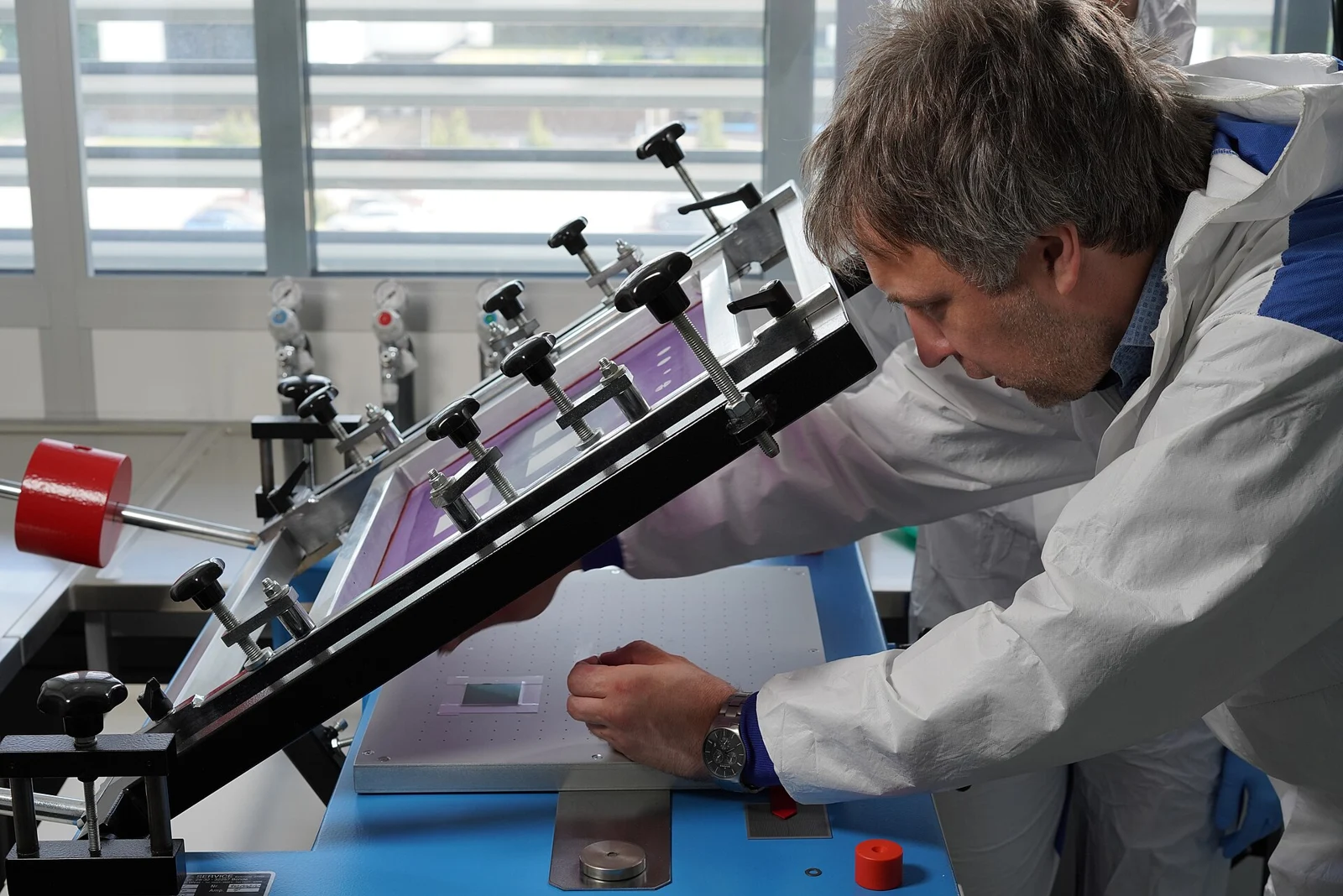
The photographs are archival electrical and generation illustrations, not pictures of Delta’s new SST product or its demonstration partner’s site. Our examples distinguish energy, power, time and thermal recovery. That separation lets operators compare later infrastructure results without mistaking a component efficiency for a full-site saving, a fast battery response for hours of autonomy, or a product event for newly energized mining capacity.
Source: Delta Electronics / PRNewswire ↗
Mining calculator ↗