CleanSpark proposes $2.227 billion of notes for Sandersville
Source report: 2026-09-17 · Editorial analysis published: 2026-09-17
The September 17 proposal is project financing, not a completed fundraising or an announcement of new operating hashrate.

Analysis and practical implications
This section is our analysis and illustrative calculations, separate from the source report.
What CleanSpark announced
On September 17, CleanSpark’s subsidiary CSDC Finance I proposed US$2.227 billion of senior secured notes due 2031 for Sandersville construction, reimbursement and debt-service reserves. Completion and terms remain conditional. The announcement does not give a final coupon.
Read the project cash flow, not just the headline
A large principal amount is not the same as a construction budget becoming available overnight. Our editorial comparison separates gross borrowing, financing fees, restricted reserves, reimbursement of prior spending and cash remaining for contractors. A reimbursement changes who funded work already performed; it does not necessarily buy another server. For an ASIC operator, the useful question is which portion will pay for future productive infrastructure and when it can be spent. Without the final sources-and-uses schedule, the headline cannot establish that amount. Keep money allocated to repayment protection separate from funds available to energize equipment.
A project timeline has several different milestones
Borrowing, financial closing, equipment delivery, utility readiness, commissioning and customer acceptance describe different events. In an original example, a funded site can still have idle hardware while it waits for a substation or cooling loop. Conversely, some completed works may have been paid for before a new debt offering. For mining comparisons, record live electrical capacity, installed ASICs and effective pool hashrate independently. A financing announcement alone cannot fill those operational fields. Subsequent construction or operating disclosures are the evidence needed to move the project from financed to productive.
What a 25-basis-point sensitivity illustrates
We calculated a hypothetical annual interest sensitivity: US$2.227 billion multiplied by 0.0025 equals US$5.5675 million. This assumes the whole principal is outstanding for a year and the financing rate changes by 25 basis points; it is not the proposed notes’ coupon, a forecast or a claim that a central-bank change reprices these notes. A fixed-rate instrument and a floating-rate loan behave differently. The calculation gives an order of magnitude for discussing debt service, while the final offering documents must establish actual rates, payment dates and obligations.
Secured debt does not eliminate construction risk
Our analytical distinction is between collateral supporting lenders and a project’s ability to finish on budget and earn operating cash. Those are related but separate questions. Collateral does not deliver a transformer sooner, secure all permits or make an unaccepted server billable. For a small mining expansion, the comparable discipline is to preserve a completion budget and test what happens if commissioning slips. Avoid spending the same reserve twice in a financing spreadsheet. Assess construction obligations separately from a best-case revenue model; neither an asset pledge nor an optimistic ramp-up substitutes for an execution plan.
Compare mining and computing through actual units
A financing figure in dollars cannot be converted into EH/s without a verified hardware mix, unit prices, delivery schedule and electrical design. Equally, a data-center portfolio figure is not necessarily power assigned to Bitcoin miners. Our original comparison uses separate columns for MW, installed IT equipment, utilized capacity, revenue and debt service. That keeps a computing-development announcement from becoming an invented ASIC rollout. Readers using the catalogue should continue to calculate a specific miner’s electrical demand from its confirmed watts and quantity, rather than infer it from a corporate borrowing headline.
What would count as the next confirmed update
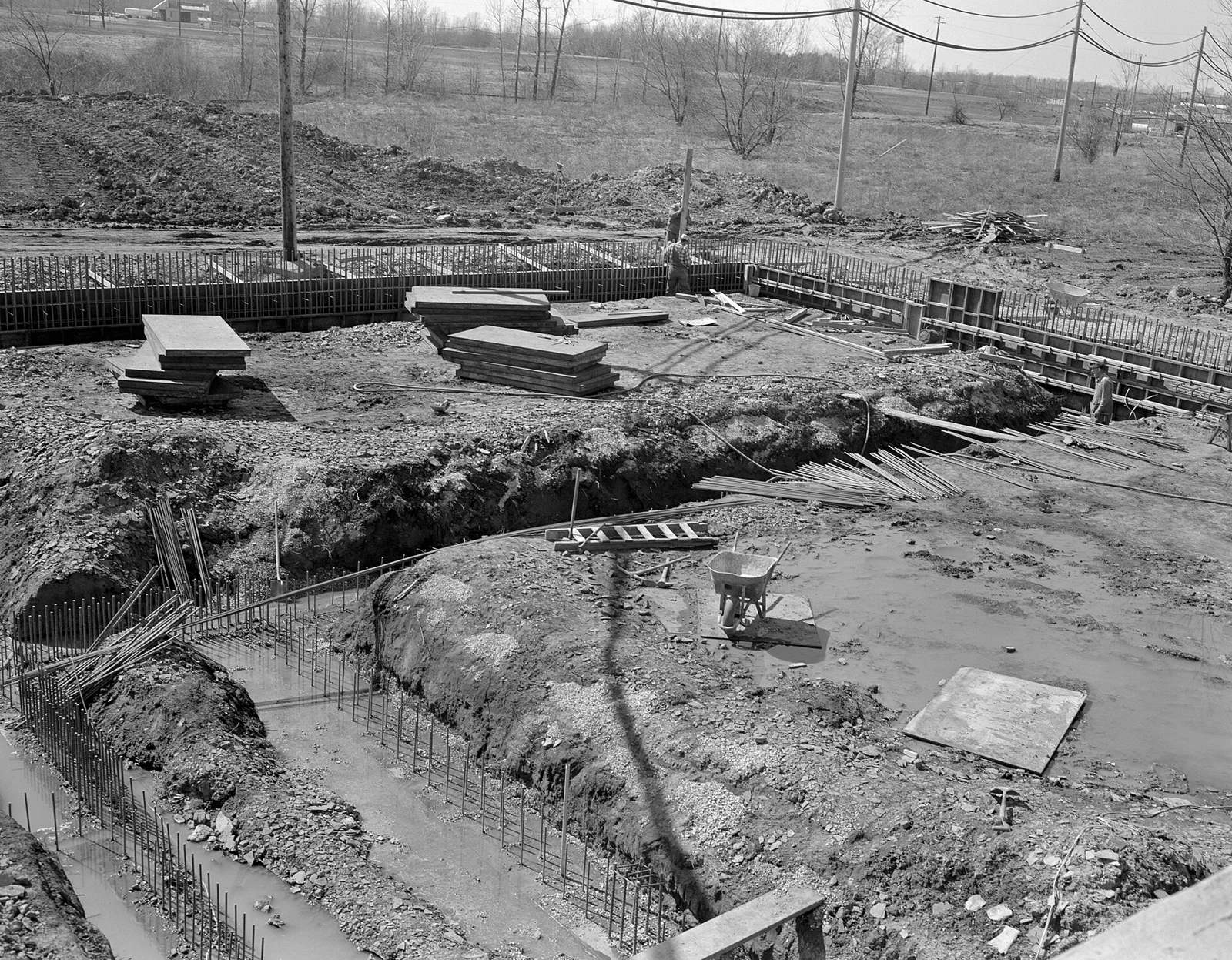
The meaningful follow-up would identify whether the proposed offering was priced and closed, its net proceeds and final interest terms, followed by construction and commissioning evidence. These stages answer different questions, so keep their dates distinct. A later document may change the proposed amount or explain allocation more precisely. Update the comparison from that new evidence instead of preserving an old estimate as a fact. For operational assessment, prioritize accepted workloads, available power and cash collection. The two archival photographs illustrate infrastructure and finance context; they are not photographs of Sandersville or documents from the transaction.
A practical funding comparison for a miner owner
For a hypothetical purchase, compare cash payment, a fixed-rate loan and a floating-rate loan over the same holding period. Include principal repayment, installation, commissioning delay and hardware residual value. Use the same hashrate, uptime and electricity assumptions across all options; otherwise the cheaper-looking financing may simply hide a different operating model. The ASIC.tools calculator provides an operating scenario, while financing payments belong in a separate cash-flow schedule. Preserve both views: an operating profit and cash left after debt service can differ, even when the equipment and mining assumptions are identical.
Who borrows and who supports completion
The source names a subsidiary as issuer and describes a parent completion guarantee. For analytical purposes, do not collapse an issuer, an asset-owning guarantor and the parent company into one interchangeable balance sheet. Read each obligation at its actual entity level. A commitment to support construction is not automatically a guarantee that every operating projection will be met. In a smaller mining venture, the same distinction matters if land, equipment and borrowing belong to different companies. Map who owns the asset, pays the contractor, services debt and receives revenue before comparing project economics.
Test liquidity before the first billable workload
An original hypothetical scenario assumes fixed project cash outflows of US$1 million a month and a three-month delay in first billable service. With no offsetting receipts, the extra cash requirement is US$3 million. This is not a Sandersville cost estimate. It demonstrates why a completion budget and an operating liquidity buffer should be separate. Specify whether each outflow includes interest, staff or equipment commitments and whether any reserve can legally cover it. A project can be complete enough to begin tests yet still lack customer acceptance and collected revenue; funding comparisons should model that interval explicitly.
Source: CleanSpark / PR Newswire ↗
Mining calculator ↗