A reference index for AI hardware prices
Source report: 2026-08-31 · Editorial analysis published: 2026-09-10
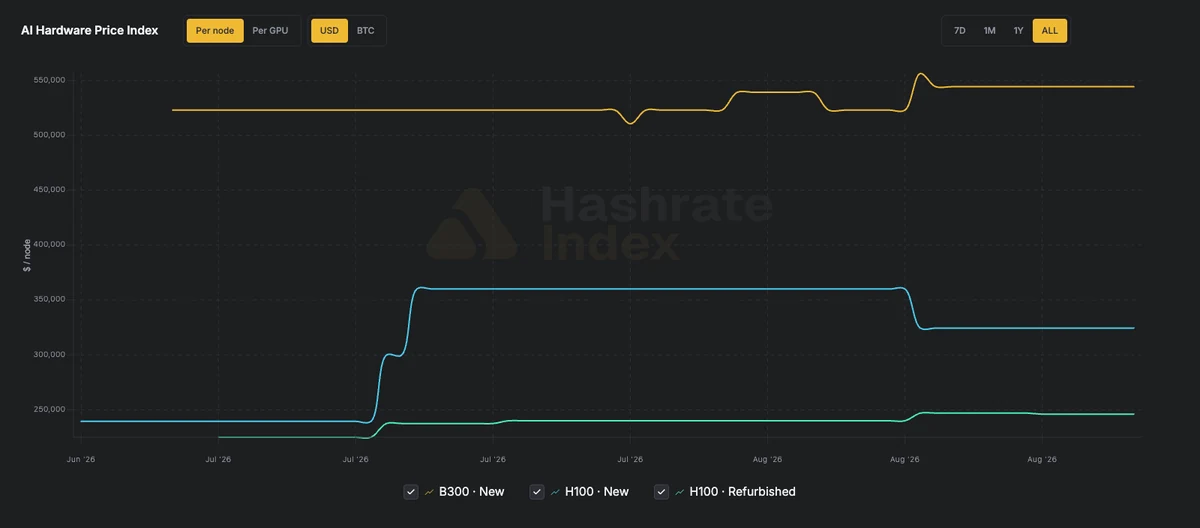
Hashrate Index launched tracking for eight-GPU HGX node asking prices. Listed asks are distinct from completed transaction prices.
Analysis and practical implications
This section is our analysis and illustrative calculations, separate from the source report.
Why comparable offers matter
Hardware buyers often compare offers that describe different products. One quote includes a complete server with memory, networking and support; another covers a less complete configuration. A price index can provide an initial reference, but the comparison only becomes useful after the buyer understands what each observation represents.
For an operator evaluating AI equipment, make a specification sheet before negotiating. Record the processor model, number of accelerators, memory, interconnect, host configuration, power requirements, condition and warranty. Keep delivery timing and the place of delivery separate from the hardware price. A cheaper machine that requires an expensive infrastructure change may have a higher installed cost.
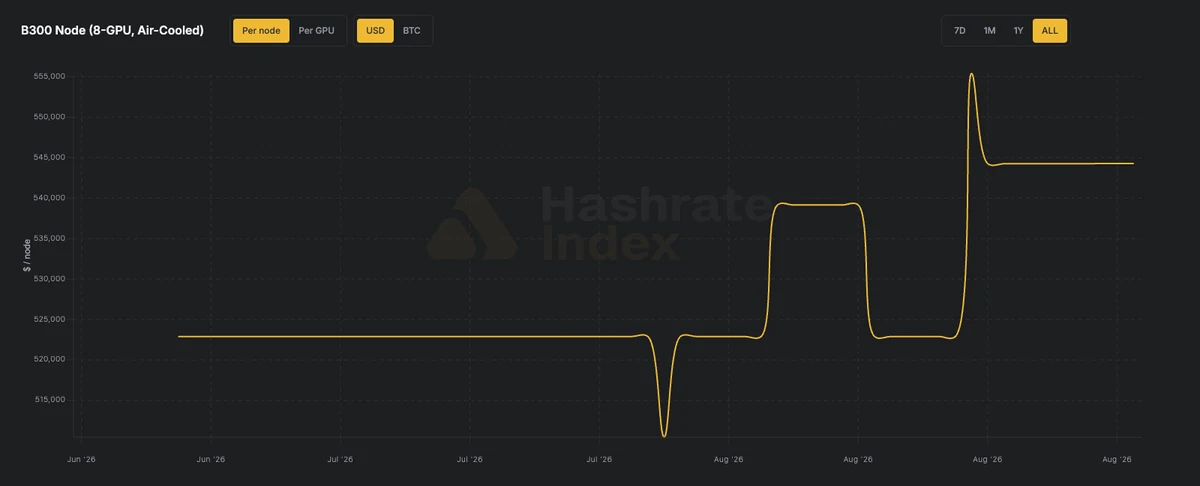
An asking price is not a completed transaction
A seller can advertise a price that nobody accepts. A completed transaction can also differ from the original offer because of quantity, financing, support or delivery conditions. An index built from asking prices should therefore be treated as evidence about the offer market, not a record of what every buyer paid.
This limitation does not make the index useless. It gives a purchasing team a consistent starting point for questions: why is this offer far above the reference, and what extra service explains the difference? Why is another far below it, and what is missing? The purpose is to investigate differences, not to assume that the midpoint is an automatically fair purchase price.
Build a delivered-cost comparison
Consider two hypothetical offers for the same capacity. The first has a lower equipment price but requires paid shipping, installation and an additional power distribution upgrade. The second includes installation but has a longer delivery time. Put those costs and dates into different columns. Do not hide a delay cost inside an unexplained premium.
Equipment also needs a clear condition category. New, refurbished and used hardware can carry different repair histories and support arrangements. Ask what has been tested, how failed components are handled and who pays transport in a warranty case. These questions matter to both AI servers and ASIC miners, even when the two hardware markets use different price benchmarks.
Use a reference without surrendering verification
A practical procurement record links the quote, configuration, seller identity and inspection results. Photograph serial labels on delivery and reconcile them with the agreed list. Preserve acceptance-test results so that later performance disputes can be discussed using a baseline rather than memory.
For ASIC.tools readers, the broader lesson is to compare the same unit of value. Dollars per terahash can help compare Bitcoin miners only when efficiency, condition and included equipment are also visible. A server price per accelerator requires the same discipline. A public reference reduces information gaps; it does not replace technical inspection, commercial due diligence or a realistic deployment budget.
Source: Hashrate Index / Luxor ↗
Mining calculator ↗