Amazon commits more than $1 billion to U.S. data-center communities
Source report: 2026-10-02 · Editorial analysis published: 2026-10-03
Built Together adds funding over five years for education, workforce training, energy upgrades, water projects and locally directed grants; most participation details and outcomes remain future work.

Analysis and practical implications
This section is our analysis and illustrative calculations, separate from the source report.
Amazon launched the Built Together framework
Amazon introduced Built Together on October 2 as a community-investment framework for places where it operates data centers in the United States. The company says it will add more than $1 billion over five years to existing programs. This is a corporate commitment and program budget, not a data-center construction contract or a payment already distributed. The source does not provide a year-by-year spending schedule, an allocation by state or a list of every eligible community.
Education access is a stated objective
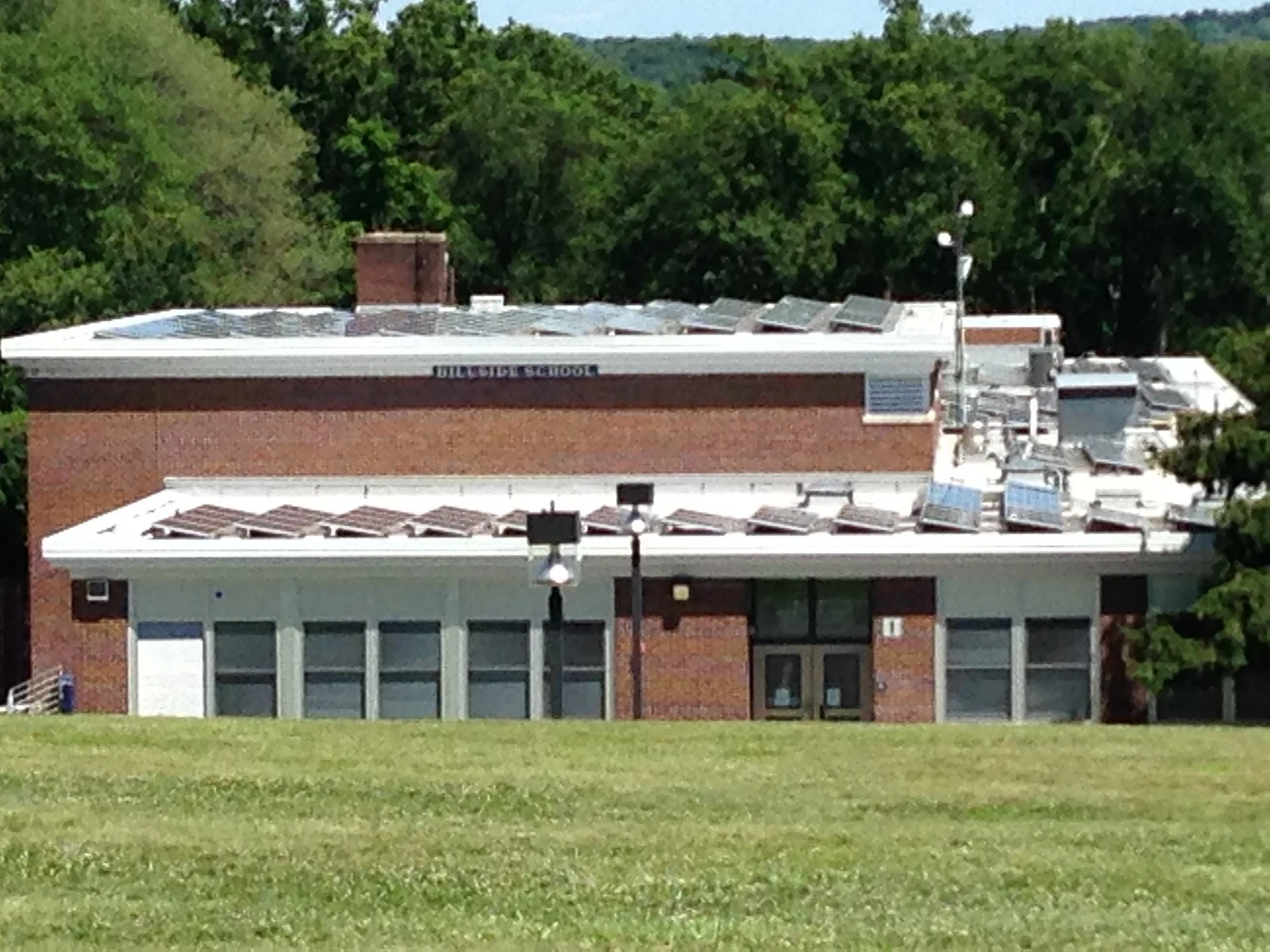
Amazon aims to cover remaining out-of-pocket costs after financial aid for certificates or associate degrees for more than 300,000 residents in data-center communities. Fields listed include electrical trades, HVAC, fiber, IT, healthcare, education, public safety and manufacturing. The number is a participation target rather than graduates or jobs created. Enrollment rules, local college partners and launch dates vary and were not all available when the program was announced.
Training centers target skilled local work
The framework says Amazon plans a network of 25 modular training centers and intends by the end of 2028 to prepare up to 100,000 learners annually for skilled jobs. Courses are described as free certification programs lasting four to sixteen weeks. These figures describe planned reach, not current annual completions. The source also does not promise that every participant will be hired by Amazon, a contractor or another local employer.
Energy upgrades cover homes and public buildings
Over five years Amazon aims to support efficiency upgrades for more than 30,000 homes and over 300 schools and buildings. It says partner-designed improvements target energy-cost reductions of 20% to 40%, while explicitly warning that actual savings can vary and total bills may change with rates, weather and usage. The target therefore should not be presented as a guaranteed bill reduction. Verification will require project counts, baseline methods and measured savings.
Water work is included in the wider program
Amazon says it has contracted more than 65 water-replenishment projects worldwide that are expected to return more than eight billion gallons annually. The company compares that expected volume with its 2025 data-center water use. Expected replenishment is not the same as metered water returned today, and global totals do not show the balance for each local watershed. Operators and communities need location-specific withdrawal, consumption, seasonality and replenishment data to assess actual impact.
Local foundations are intended to direct some funding
Built Together will provide recurring money to philanthropic foundations in data-center communities, with residents and local organizations helping direct grants toward roads, parks, fire equipment, housing, schools and preparedness. Amazon says it will report outcomes while local groups make allocation decisions. The page does not specify a uniform dollar amount per community or a formula based on campus size. Those details will determine how evenly the program reaches different host regions.
The commitment addresses infrastructure consent
Large compute campuses face scrutiny over electricity prices, water, tax incentives, noise and permanent employment. Community programs can address some local costs, but they do not replace transparent utility tariffs, environmental permits or enforceable construction conditions. The relevance for bitcoin mining is direct: mines also depend on durable local acceptance and clear power agreements. Operators should separate philanthropic spending from the technical and regulatory evidence showing whether a site protects ratepayers and resources.
How to evaluate the five-year promise
The confirmed items are the more-than-$1-billion commitment, five-year horizon, education and training targets, efficiency-upgrade goals and community-directed funding structure. Participation remains dependent on local implementation, and the page says availability and timelines vary. Useful follow-up evidence includes annual audited spending, named partners, applicants served, credentials completed, employment outcomes, verified energy savings, watershed results and grants by location. Those measures will show whether the commitment produces outcomes at the scale advertised.
Source: Amazon ↗
Mining calculator ↗