AGM outlines commercialization plans for its HashBeaver node
Source report: 2026-09-15 · Editorial analysis published: 2026-09-16
From a pilot to a purchasable miner: the evidence buyers should request.
Analysis and practical implications
This section is our analysis and illustrative calculations, separate from the source report.
A follow-up to the pilot announcement
AGM's September 15 update outlines commercialization preparations for its HashBeaver desktop node. It is a follow-up to the pilot covered earlier on ASIC.tools, not evidence of completed mass deliveries. The practical distinction is between a development milestone and a product a buyer can receive, operate and obtain support for. The analysis below offers an editorial framework for checking that transition. It does not supply missing specifications, certify the device or convert management's plans into a confirmed retail launch.
Separate the hardware from surrounding services
When a product combines mining terminology and AI services, draw a simple boundary around each function. Ask which workload executes on the local chip, which requires a remote server, and which depends on a subscription or external account. The answer should identify software and hardware separately. A feature in a companion application is not automatically a new computing capability of the ASIC itself. Buyers need a clear description of what continues working when internet access or a paid service is unavailable, rather than a single combined marketing label.
Ask for a measurable operating profile
A useful specification identifies the actual configuration, power measured at the wall, sustained hashrate and the conditions of measurement. A peak screenshot does not establish stable operation. For a desktop product, also request noise measurement conditions, ambient temperature limits and a description of the supplied power adapter. Keep manufacturer-rated and independently observed figures in separate columns. Until comparable values are available, placing the product in a profitability ranking would manufacture precision from information that has not yet been established.
Treat production stages as separate evidence
Prototype, pilot assembly, certified configuration, order acceptance and fulfilled delivery are distinct events. Build a dated checklist and attach supporting documents to each completed stage. A distributor listing may indicate commercial interest without proving inventory. An invoice can establish a purchase obligation without proving shipment. A tracking number should be checked against the correct package and destination, while an acceptance test shows what arrived and whether it operates. This sequence keeps purchasing decisions tied to verifiable progress instead of a broad launch narrative.
Include operating costs beyond electricity
In a hypothetical energy example, a device drawing 100 watts continuously uses 2.4 kWh per day, or 72 kWh over thirty days. These figures describe an illustrative device, not the announced node. Its electricity bill would be that energy multiplied by the user's actual tariff. A complete comparison should separately consider hardware, delivery, taxes where applicable, subscriptions and expected maintenance. Do not mix a one-time purchase with monthly service fees or assume that all software functions remain free throughout the product's life.
Check control and recovery before scaling
For a small trial, ask how configuration is backed up, how firmware is authenticated and how a failed update is recovered. Check whether the user can change pool settings, export operating records and remove remote-management access. These are questions for the supplier, not claims about functions already available. Define a return-to-service procedure before ordering multiple units. Home and office use also warrants checking the power circuit, ventilation and the noise tolerance of the actual room; a compact enclosure alone does not establish suitability.
The next meaningful evidence
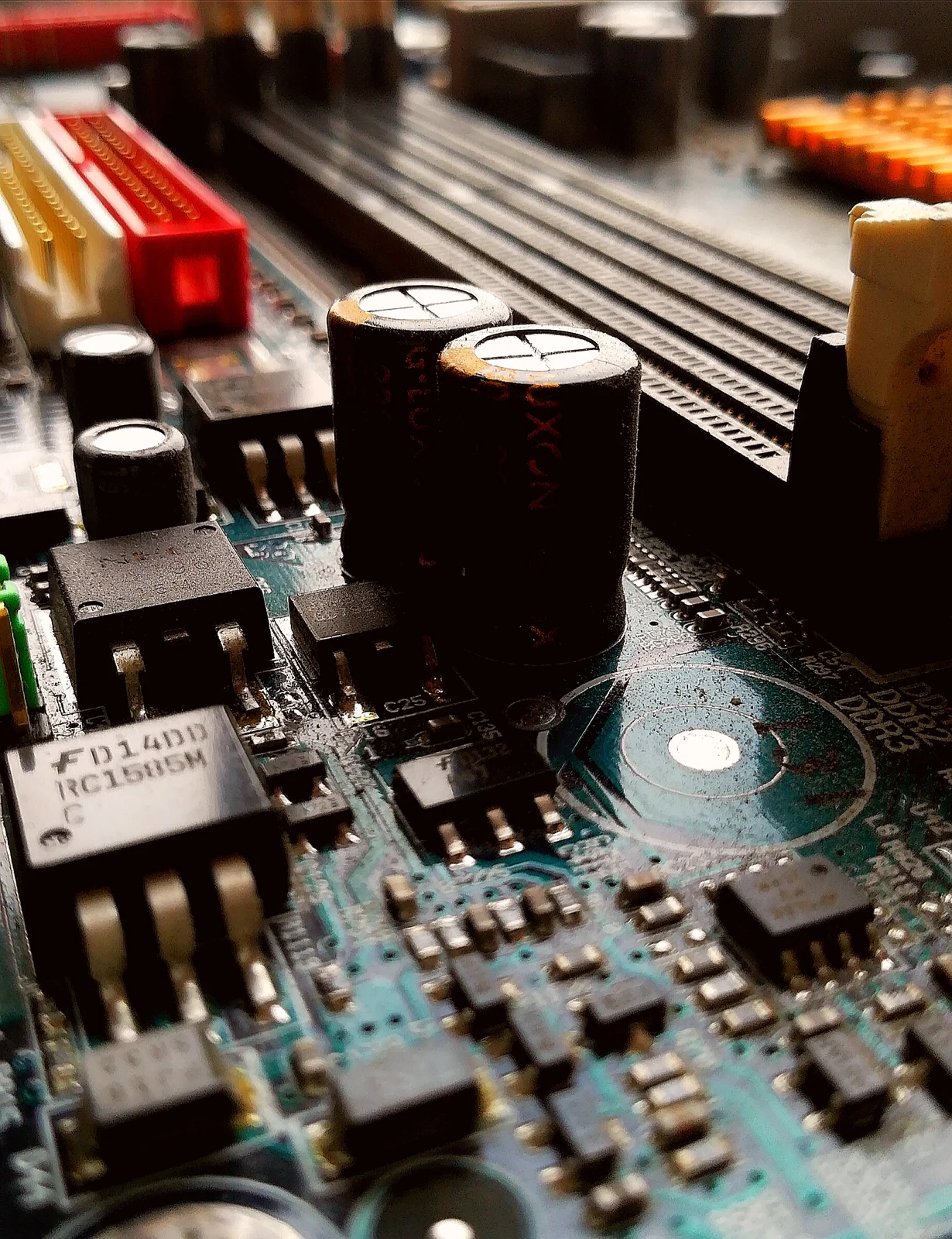
A useful next update would provide a dated specification, supported markets, clear order terms and verifiable deliveries. Readers can compare those materials with the earlier pilot report without counting the same development twice as a new machine. ASIC.tools has not tested this node and will not invent a model entry, release date or profitability figure from the commercial roadmap. The photograph is an archival computer motherboard, included to illustrate hardware development; it is not an image of the announced HashBeaver product.
Write acceptance criteria into the trial plan
Before buying a trial unit, list the exact configuration promised, accessories, support contact, acceptable operating conditions and the evidence required at receipt. Photograph labels and packaging, record software versions, and check the delivered configuration against the order. Define the trial duration in advance; retain both successful runs and failures so a favorable screenshot does not replace the full record. If a remote feature is important, test loss of connectivity and restoration separately from ordinary mining operation. Record what is observed rather than assuming the behavior from the product name. If the supplier changes a specification, preserve both versions and ask which applies to the actual order. A missing document should remain an open question, not a value copied from another machine. Apply the same checklist to competing devices to make comparison fair; postpone a ranking when the evidence is not comparable.
Source: AGM Group / GlobeNewswire ↗
Mining calculator ↗