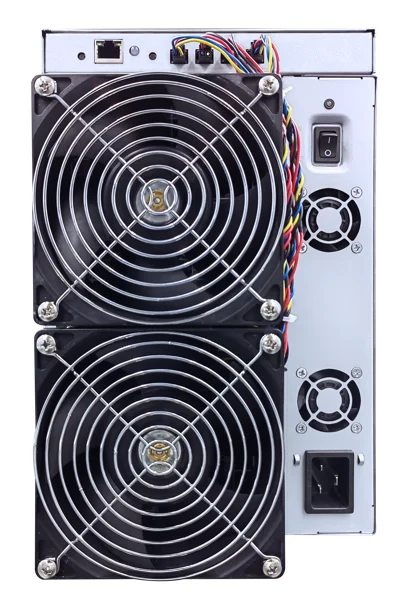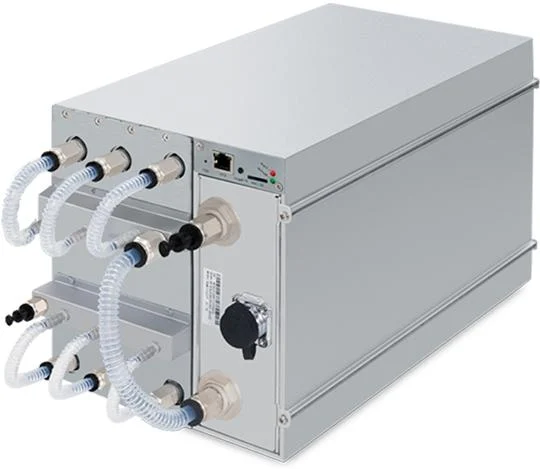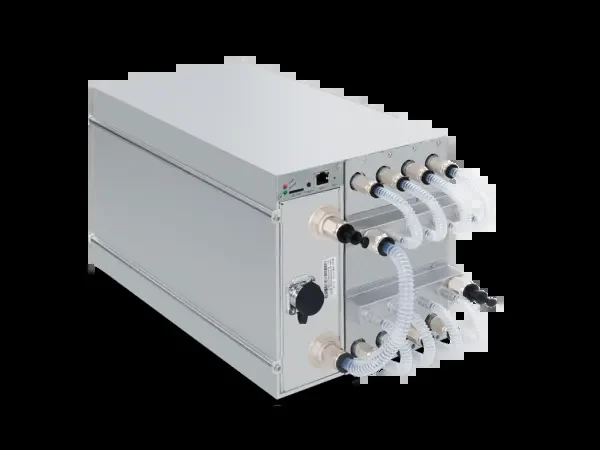
Immersion cooling: evaluate compatibility and total cost
Compare a complete immersion installation with air cooling instead of treating the tank as the whole project.
ASIC.tools · Reviewed

Define the reason for conversion
Identify the specific problem you want to solve: site cooling constraints, dust exposure, noise or a planned operating envelope. Immersion is a system change, not simply putting an air-cooled device into liquid. Establish the expected benefit and the baseline costs of the current installation. Avoid using an advertised maximum hashrate as the only justification, because it says little about total energy, maintenance or reliable long-term operation.
Confirm equipment and fluid compatibility
Obtain approval for the exact device, materials, power supplies and dielectric fluid involved. Check warranty terms and the vendor’s preparation procedure. Different fluids can have different compatibility, handling and maintenance requirements. Do not substitute water or an unverified liquid. Firmware cooling settings must match the physical installation; an immersion setting on an air-cooled miner can remove checks that its fans and thermal design still require.
Account for all supporting equipment
Include tanks, heat exchangers, pumps, external heat rejection, filtration, sensors, controls and installation labor. Reserve space for lifting, draining and servicing equipment safely. Total electrical demand includes auxiliaries as well as miners. The calculation should also include fluid handling and replacement requirements from the supplier. A low price for an empty tank does not describe the cost of a working, maintainable installation.
Run a representative pilot
Test a small compatible setup at an approved profile and measure accepted hashrate, total wall power and stable temperatures. Compare it with a documented air-cooled baseline under reasonable conditions. Record tuning time, service effort and any material or connector issues. Do not scale a result from a brief maximum-performance demonstration to continuous production. Keep independent protection for circulation failures and a documented response to leaks or overheating.
Decide using lifecycle evidence
Estimate the investment, useful operating period, maintenance burden and realistic resale or conversion options. Include the cost of downtime during service and the resources required to handle used fluid. Treat higher performance as a measured outcome rather than a guaranteed property of immersion. Proceed when the pilot demonstrates a benefit within equipment limits and the operator can maintain the complete cooling system throughout its expected life.