Planning the electrical capacity of a mining farm
Build a load inventory and give an electrician the information needed to assess a continuous mining load.
ASIC.tools · Reviewed
Use the actual operating configuration
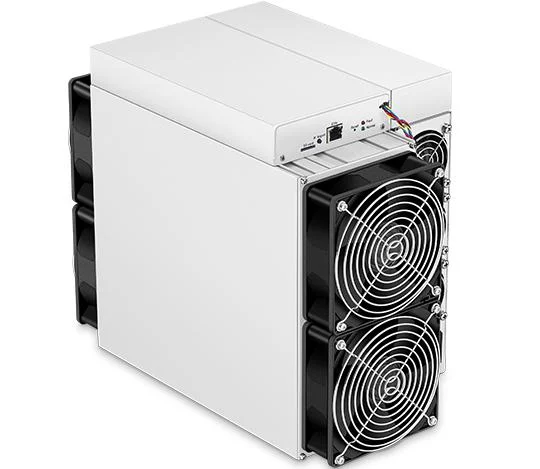
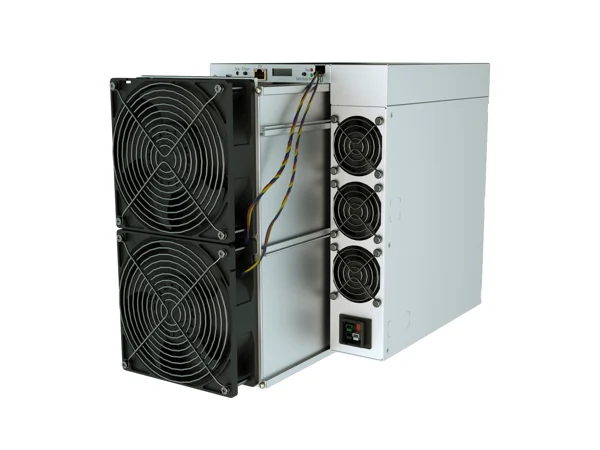
List each model, quantity and approved power profile. Distinguish the manufacturer’s rated input from an approximate software estimate and from measured power. Record required input voltage, connectors and the number of power inputs from the exact manual. Similar-looking devices may have different supply requirements. Do not decide that a circuit is suitable merely because a plug can be made to fit with an adapter.
Calculate the full site load
Add miners, external fans, pumps, network equipment and other equipment that will run at the same time. As a planning example, ten miners at 3.5 kW total 35 kW before auxiliary consumption. If the complete measured site load is 38 kW for 24 hours, energy use is 912 kWh. These are illustrative arithmetic inputs, not a specification for a circuit or a guarantee of actual consumption.
Have the installation assessed
Give a qualified electrician the inventory, operating schedule and equipment manuals. The assessment must consider cables, protective devices, connectors, earthing, distribution equipment and applicable installation requirements. Continuous operation and local conditions matter. Three-phase equipment requires the matching supply design; a simple power total does not establish phase allocation or conductor sizing. Do not infer a safe circuit rating from an online calculator alone.
Commission in controlled stages
Start equipment in planned groups and observe the supply through appropriately rated monitoring equipment. Ask the responsible professional to verify behavior under sustained load, including connection temperatures and protection operation. Keep cooling systems ready before starting the miners. A breaker that trips repeatedly is a fault to investigate, not an instruction to install a larger breaker without checking the rest of the electrical system.
Track capacity as the farm changes
Update the load inventory after adding hardware, changing performance profiles or replacing cooling equipment. Keep measured maximum demand separate from daily energy use. Reserve operational headroom according to the installation design and record who authorized changes. If a new profile produces better hashrate but exceeds the approved site envelope, it is not an acceptable production setting. Capacity planning should be reviewed before purchasing the next batch, not after delivery.