AI factories: what operators actually sell
Source report: 2026-09-09 · Editorial analysis published: 2026-09-10
An AI site earns from utilized compute, not installed capacity alone. Luxor examines the implications for owners of powered infrastructure.

Analysis and practical implications
This section is our analysis and illustrative calculations, separate from the source report.
The business question behind an AI factory
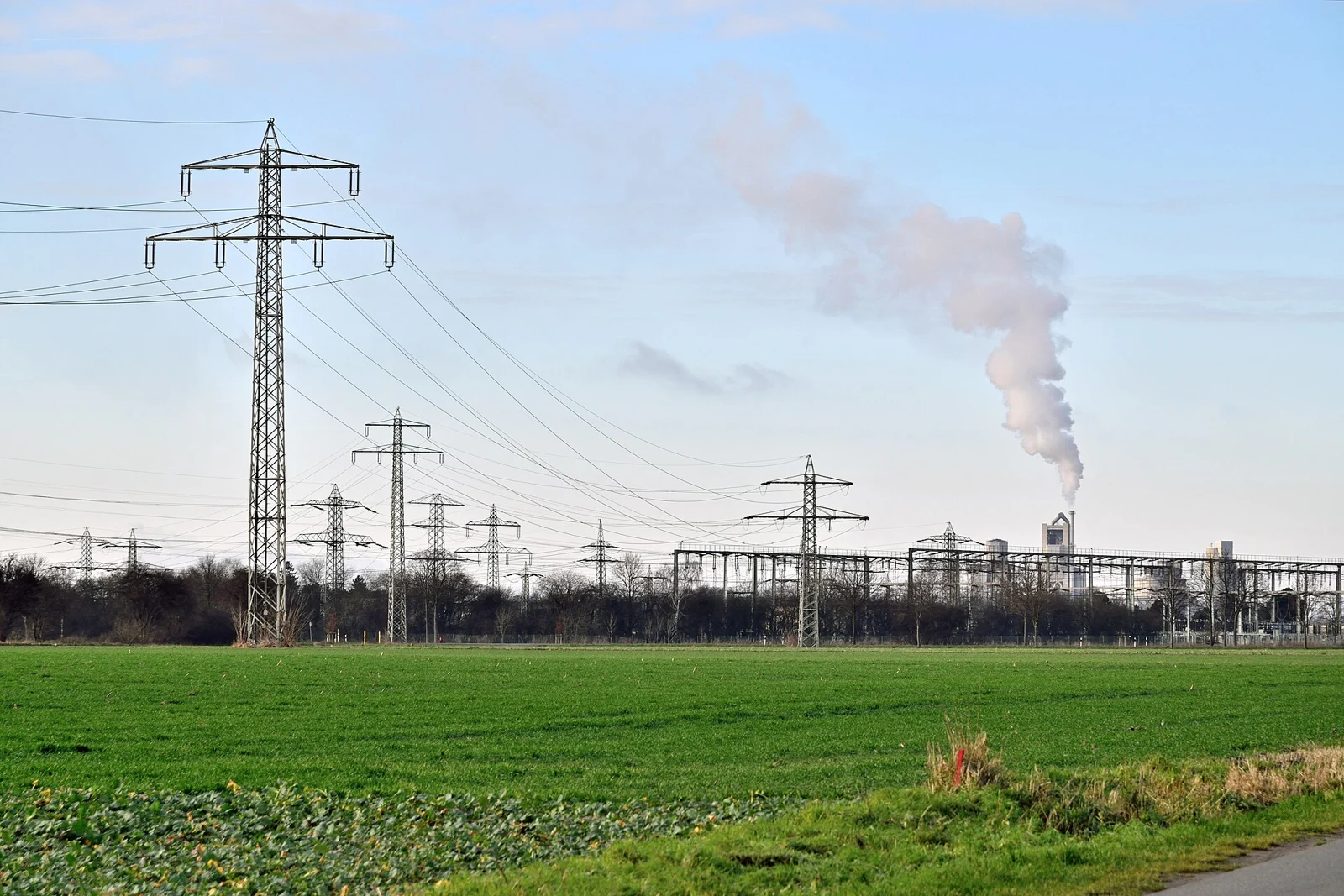
A mining operator already understands one part of an AI factory: electricity enters a building, equipment performs work, and a market determines the value of that work. The commercial differences appear after the electricity meter. Bitcoin mining usually sells interchangeable hashing work. An AI service sells access to a particular combination of processors, memory, networking, software and service quality. A powered building is therefore a starting asset, not proof that customers will pay for its output.
Our reading of the factory idea is to separate three decisions. Who owns the building and connection? Who finances equipment that becomes less competitive over time? Who wins and retains the customer? A single company can perform all three roles, but each role has a different risk. A hosting contract might produce predictable rent while an equipment owner bears utilization risk. A cloud operator may capture more revenue while also funding software support and customer acquisition.
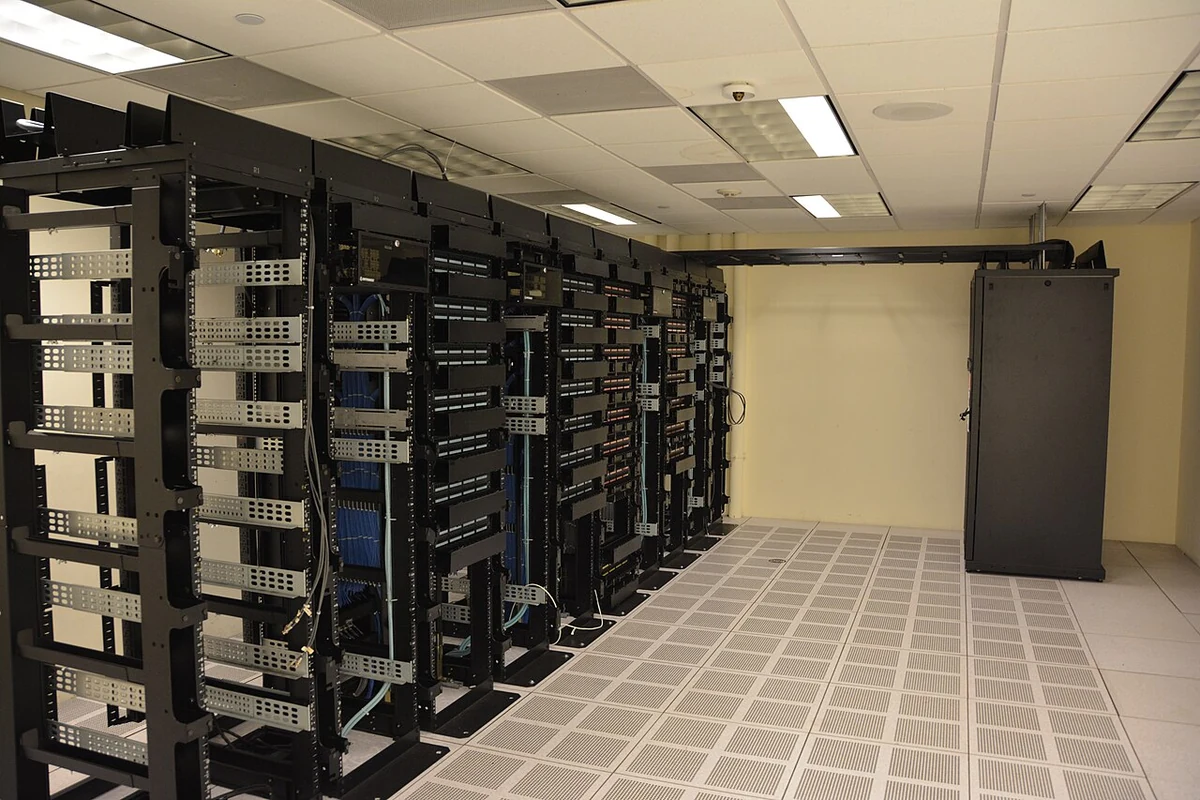
Capacity is not the same as utilization
Consider a hypothetical cluster with 100 billable units of computing capacity. At 40% utilization it sells 40 unit-hours in each clock hour; at 80% it sells 80. If the advertised price is unchanged, revenue doubles, but rent and equipment financing do not disappear during the idle hours. This is why a specification such as peak processing speed cannot answer a profitability question by itself.
The important measurement is paid utilization after maintenance, customer discounts and unsuccessful jobs. Running a benchmark all night is not paid utilization. Neither is reserving machines for a prospective client who has not committed to a contract. Before purchasing hardware, build a schedule that connects commissioning dates with binding customer demand and the actual billing conditions.
Audit the existing mining site
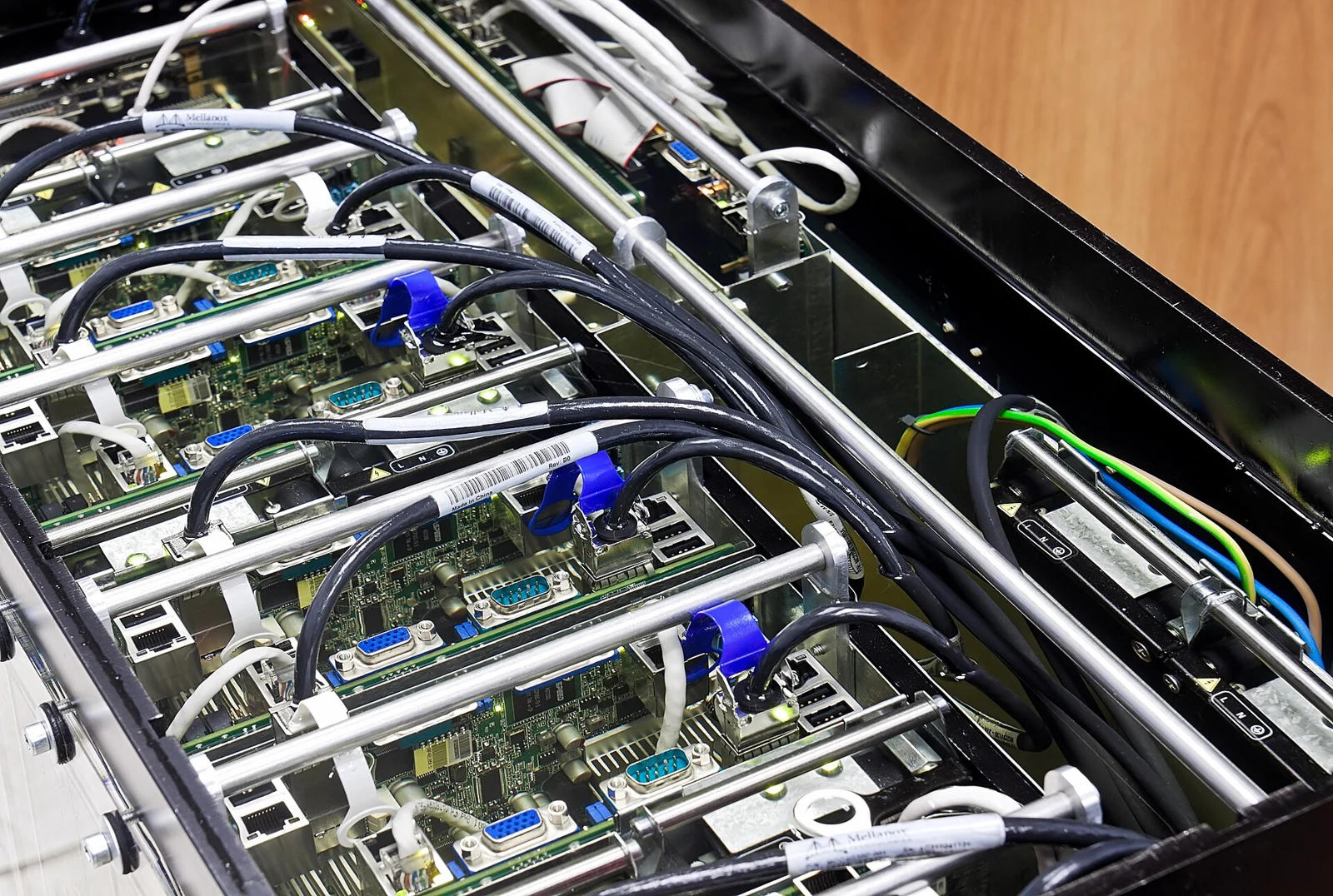
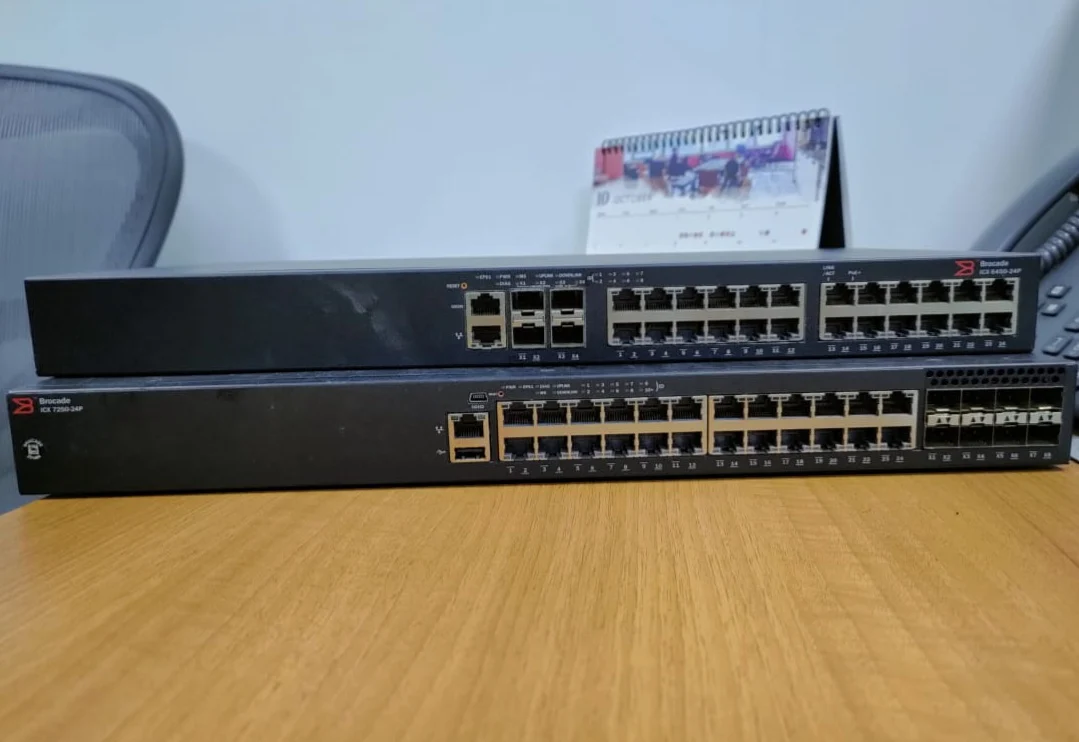
An ASIC hall and an AI hall can share an energy connection while requiring different internal infrastructure. Inventory the electrical distribution, backup requirements, floor loading, cooling system, external network connectivity and physical security. Then ask suppliers to identify what can be reused and what must be replaced. A large saving on a substation can coexist with expensive modifications inside the building.
Keep the audit measurable. Record available continuous power at each distribution point, the temperature envelope under the hottest expected conditions, connectivity redundancy and the time needed to repair a failed component. A statement that a site has many megawatts says little about how much equipment can operate there reliably under a customer service agreement.
A decision model an operator can challenge
Use separate scenarios for construction cost, equipment cost and revenue. In the operating sheet, vary utilization and price independently: demand can weaken while electricity remains expensive. Include a delay case in which hardware arrives before cooling or networking is ready. During that gap, capital is committed without corresponding customer revenue.
The useful outcome of this exercise is not a single optimistic payback date. It is a list of conditions that must be true for the project to work: minimum paid utilization, maximum commissioning delay, affordable power and acceptable financing costs. Compare those conditions with contracts and engineering evidence. If a result depends on every assumption being favorable at once, the site needs a stronger commercial plan before additional equipment is ordered.
Source: Hashrate Index / Luxor ↗
Mining calculator ↗