Sequans sells its remaining 314 BTC and completes its Bitcoin treasury exit
Source report: 2026-09-24 · Editorial analysis published: 2026-09-28
Sequans Communications reported that it sold the remaining 314 Bitcoin held at June 30, completing the treasury exit that followed a May convertible-debt redemption. The chipmaker says the move strengthens its balance sheet and redirects attention to semiconductor products, licensing and next-generation radio technology.
Analysis and practical implications
This section is our analysis and illustrative calculations, separate from the source report.
Sequans says its Bitcoin treasury is finished
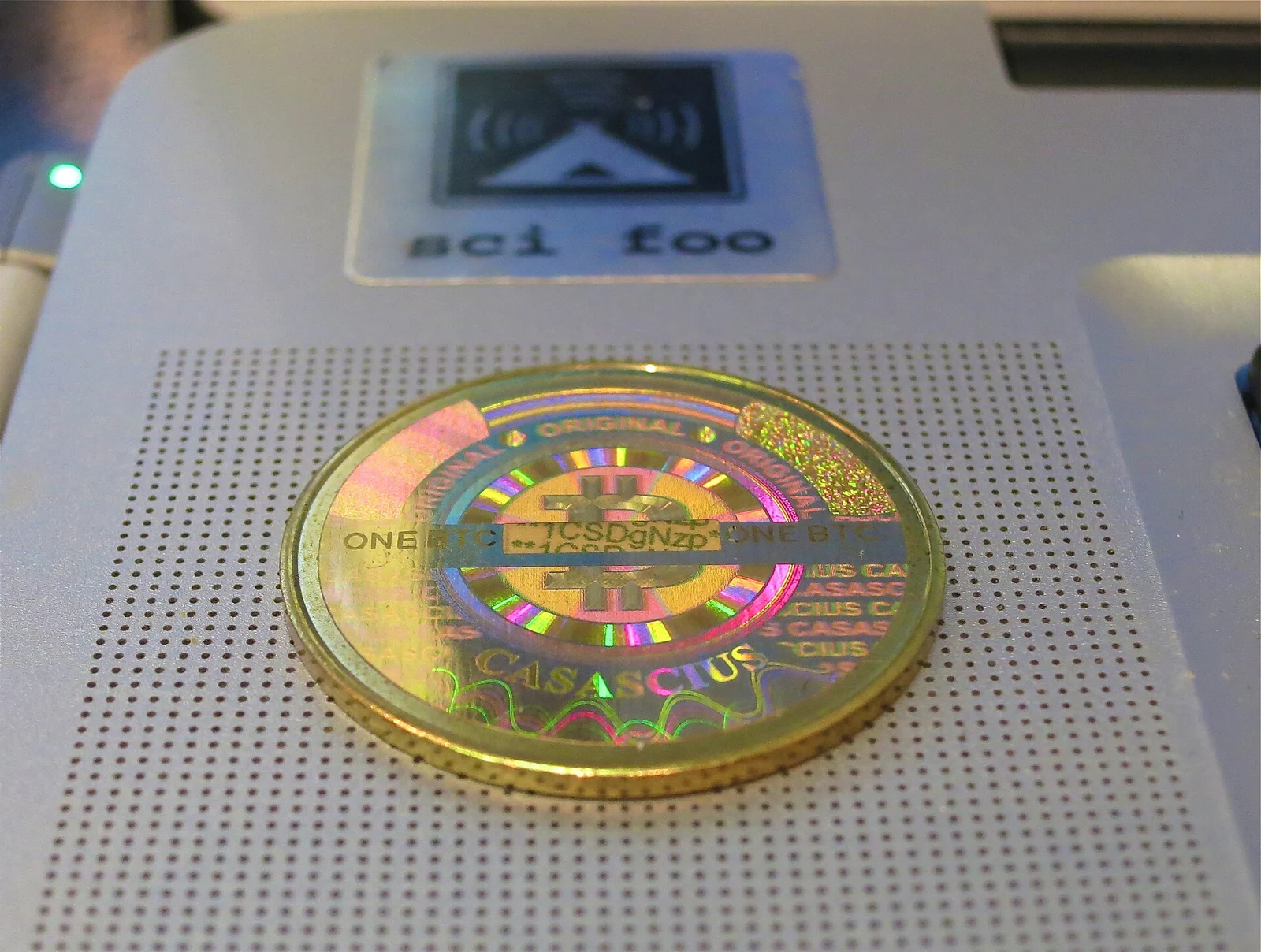
Sequans Communications announced on September 24, 2026 that it had sold the remaining 314 Bitcoin reported on its balance sheet at June 30. The company says this completes the treasury exit outlined when it redeemed convertible debt in May. The SEC-filed release does not give the individual sale dates, average execution price, fees or realised gain or loss, so the announcement confirms the strategic result without enough information to reconstruct the trade. Those figures should be checked in later financial statements.
The decision is tied to debt and corporate focus
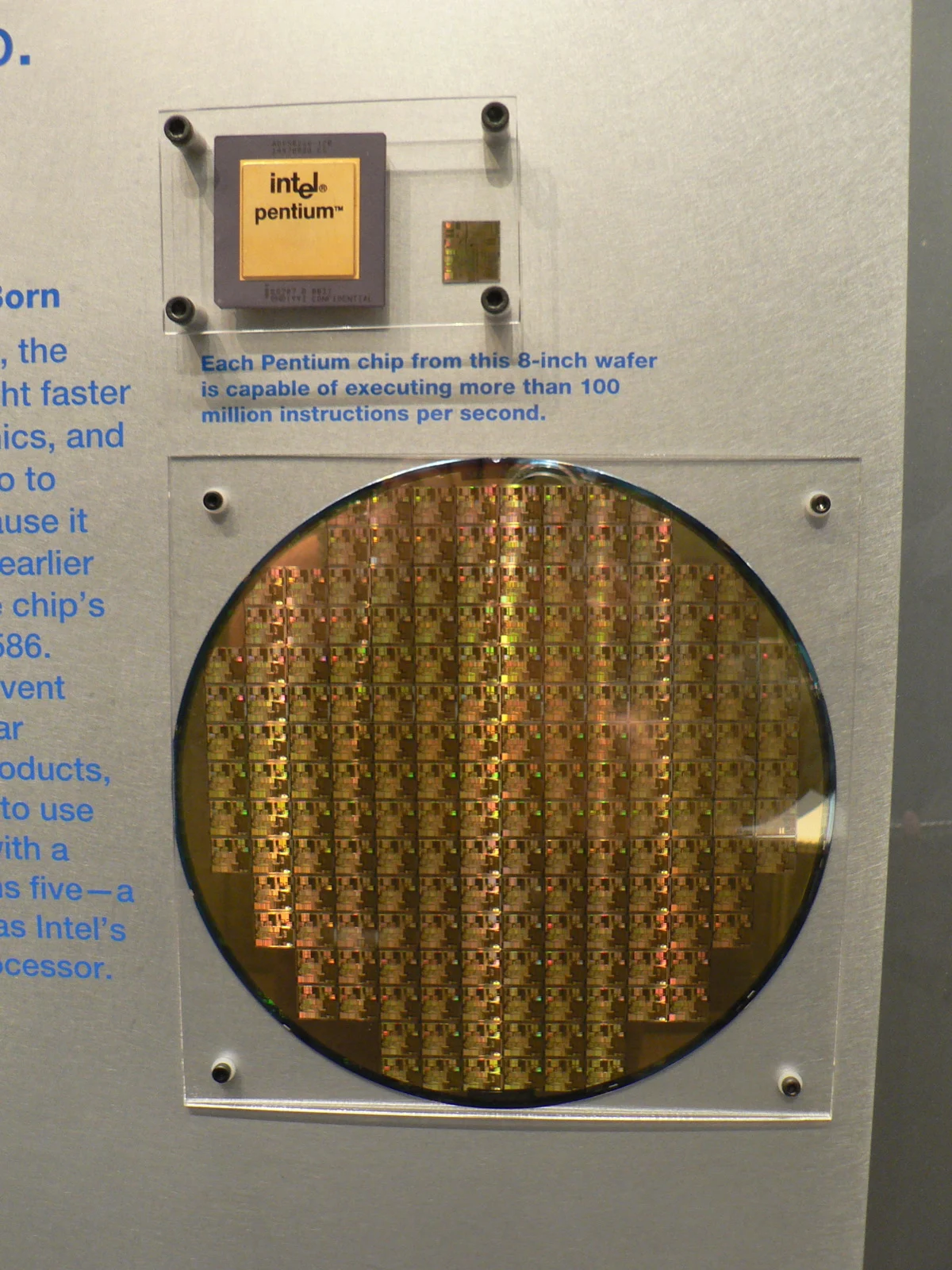
The company presents the exit as part of a balance-sheet reset that began with the convertible-debt redemption. Sequans now says it will focus capital and management attention on product revenue, licensing opportunities and next-generation semiconductor technology. Selling Bitcoin can provide cash and reduce price volatility, but the economic result depends on acquisition cost, debt terms, taxes and transaction timing. A treasury exit should therefore be evaluated together with the liabilities retired and the uses of cash, not only against the spot price after the announcement.
This is a market signal, not a mining shutdown
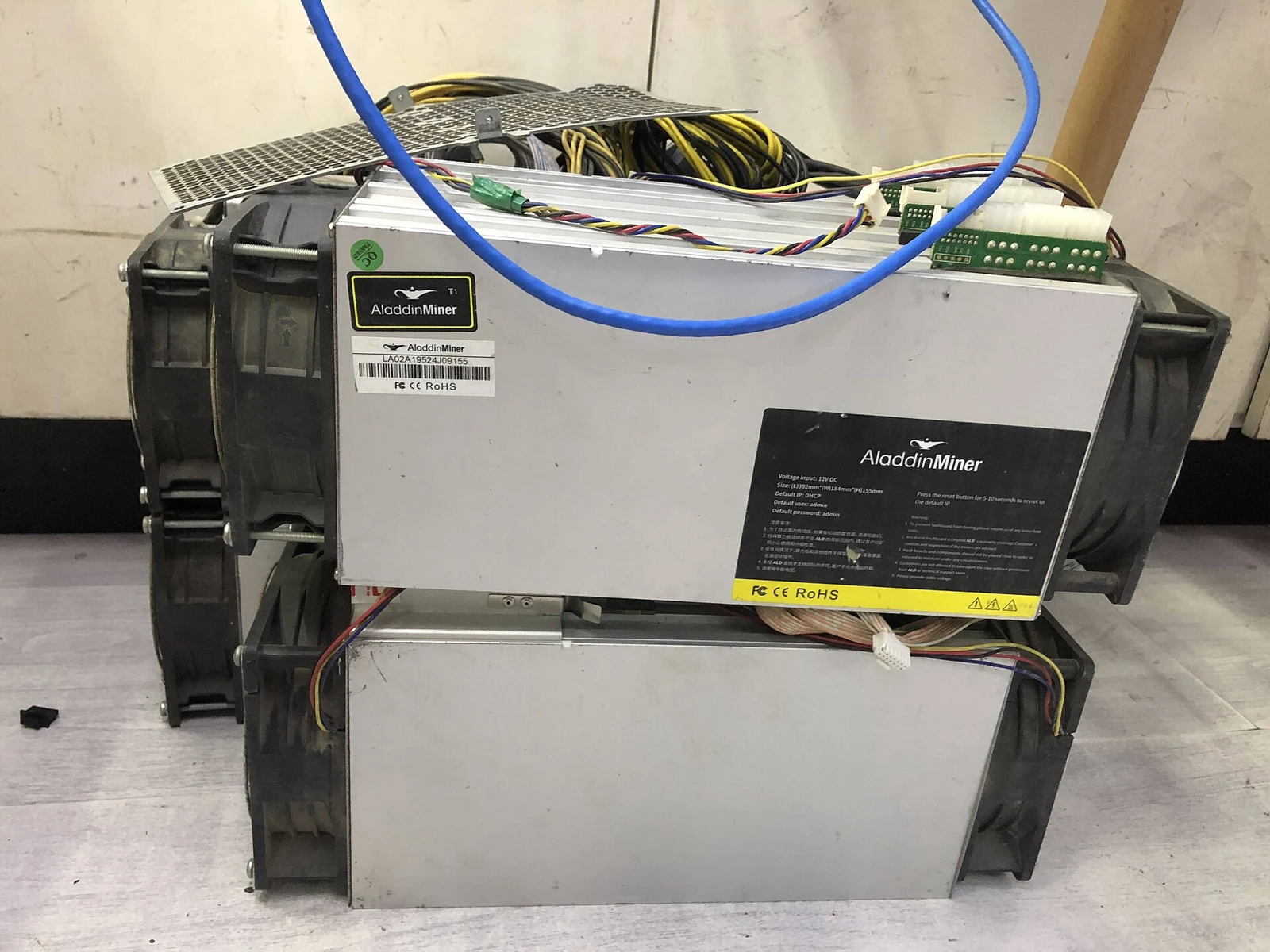
Sequans is a cellular Internet-of-Things and software-defined-radio semiconductor company, not an industrial Bitcoin miner. Its sale does not remove ASIC hashrate from the Bitcoin network and does not directly change mining difficulty. The relevance for miners is indirect: corporate treasury demand can affect market liquidity and sentiment, while Bitcoin price strongly influences hashprice and hardware payback periods. The event belongs in the market category and should not be confused with a farm selling mining machines or disconnecting electrical load.
The remaining position was clearly quantified
The number 314 BTC is the strongest concrete metric in the release. Readers should resist converting it into a definitive dollar amount using a single current price because the company may have executed the sales at different times and prices. Later filings should disclose cash proceeds, accounting treatment and any tax effect. A transparent review will compare the disclosed carrying value and cost basis with actual proceeds, while also accounting for interest and principal savings associated with the earlier debt transaction.
Treasury strategies add a second business risk
When an operating company holds Bitcoin, shareholders receive exposure to both the core business and the digital asset. That can amplify gains when Bitcoin rises, but it can also obscure operating performance and raise financing risk when prices fall. Sequans has chosen to remove that layer and return to a more conventional semiconductor story. Mining companies face a related but different question because Bitcoin inventory is generated by operations. They must decide how much production to sell for power and equipment and how much to retain as a treasury asset.
What miners can learn from the transaction
Farm operators should separate treasury policy from mining profitability. An ASIC can be cash-flow positive at a given power price even when management decides not to hold the coins it produces. Conversely, a rising Bitcoin treasury does not prove efficient mining if machines consume expensive power or if purchases, rather than production, created the balance. Useful reporting therefore shows mined BTC, purchased BTC, sold BTC, realised price, energy cost, fleet efficiency, debt secured by coins and the portion of holdings available without restriction.
Liquidity matters when network economics weaken
A company with predictable cash needs may sell Bitcoin to avoid borrowing against a volatile asset or issuing equity at an unfavourable price. Miners also need liquidity for power invoices, repair inventory, deposits and transformer projects while network difficulty can change faster than contracts. A treasury policy should define minimum operating cash, collateral limits and authority for sales. Sequans has not published a mining policy because it is not a miner, but its full exit illustrates how quickly a corporate allocation can be reversed when financing priorities change.
The announcement does not forecast Bitcoin
Sequans describes a sharpened semiconductor focus and a stronger financial foundation; it does not claim that Bitcoin will fall or that treasury strategies are unsuitable for every company. Management decisions reflect a specific capital structure and business plan. Readers should avoid treating one issuer’s exit as a universal market prediction. The useful follow-up evidence will be quarterly cash, debt, research spending, licensing revenue and whether the company’s core products generate the improvement promised after the asset sale.
Why the sale belongs on an ASIC market site
ASIC profitability is ultimately converted into fiat revenue or retained Bitcoin, so treasury flows can affect the environment in which miners finance equipment. The Sequans exit is a clear, verifiable corporate transaction involving 314 BTC and a completed strategic reversal. It should be read alongside price, hashprice, difficulty and public-miner sales data rather than alone. For operators, the practical lesson is to document a sell-versus-hold policy before volatility or a debt maturity forces a rushed decision.
Source: Sequans Communications / SEC ↗
Mining calculator ↗