PowerCompute repays Arch facility and releases all pledged bitcoin
Source report: 2026-09-30 · Editorial analysis published: 2026-10-01
The miner settled about $22.45 million of obligations on the scheduled reset date, received about 39.6 BTC back and reduced secured debt to roughly $1.25 million.

Analysis and practical implications
This section is our analysis and illustrative calculations, separate from the source report.
The facility was settled on its scheduled reset date
PowerCompute said its US Digital Mining and Hosting subsidiary fully repaid and terminated its bitcoin-backed facility with ChainFi, which operates as Arch Lending. Settlement occurred on September 24, 2026, the scheduled reset date. The company stressed that the transaction was not triggered by a margin call or forced liquidation. This distinction matters because the pledged bitcoin was sold under the contract’s scheduled settlement mechanism rather than in response to a sudden collateral shortfall.
Arch sold about 267.3 of the 307 pledged bitcoin
Under the settlement provisions, Arch sold approximately 267.3 BTC from 307 BTC pledged as collateral. The proceeds covered $21,892,132 of principal, $118,582 of accrued interest and a $440,122 fee. The total obligation was therefore approximately $22.45 million. The remaining approximately 39.6 BTC, valued by the company at about $3.3 million, was returned. No bitcoin remains pledged under this facility, although bitcoin price changes affect all dollar-value comparisons.
Secured debt fell by roughly 94 percent
PowerCompute reports that total secured debt decreased from approximately $19.4 million at June 30 to approximately $1.25 million after the repayment, a reduction of about 94% in three months. The remaining balance is one secured promissory note that matures on December 31, 2026, and it is not secured by bitcoin. The company estimates annual interest expense on that remaining secured debt at about $140,000. These figures describe secured borrowings and should not be confused with every possible corporate liability.
The original borrowing financed mining infrastructure
The company says the Arch facility ultimately refinanced debt used to build its mining operations. About $12 million of the original debt helped acquire sites in Oklahoma and Mississippi; other proceeds funded miners, mining equipment, repairs and general corporate purposes. Paying the facility removes interest and collar-related costs associated with the Arch agreement and earlier financing, but it also converts a large portion of the pledged bitcoin into debt repayment rather than leaving those coins on the balance sheet.
PowerCompute held approximately 62 BTC afterward
As of September 25, PowerCompute says it held approximately 62 BTC, valued at about $5.2 million using a bitcoin price near $84,500. This date follows the facility settlement and includes the returned collateral. The company now says it plans to use bitcoin as working capital for equipment, operations and growth instead of pursuing a leveraged bitcoin-treasury strategy. Holdings, valuation and spending plans can change, so later financial statements remain the authoritative checkpoint.
The company owns 26 MW across two sites
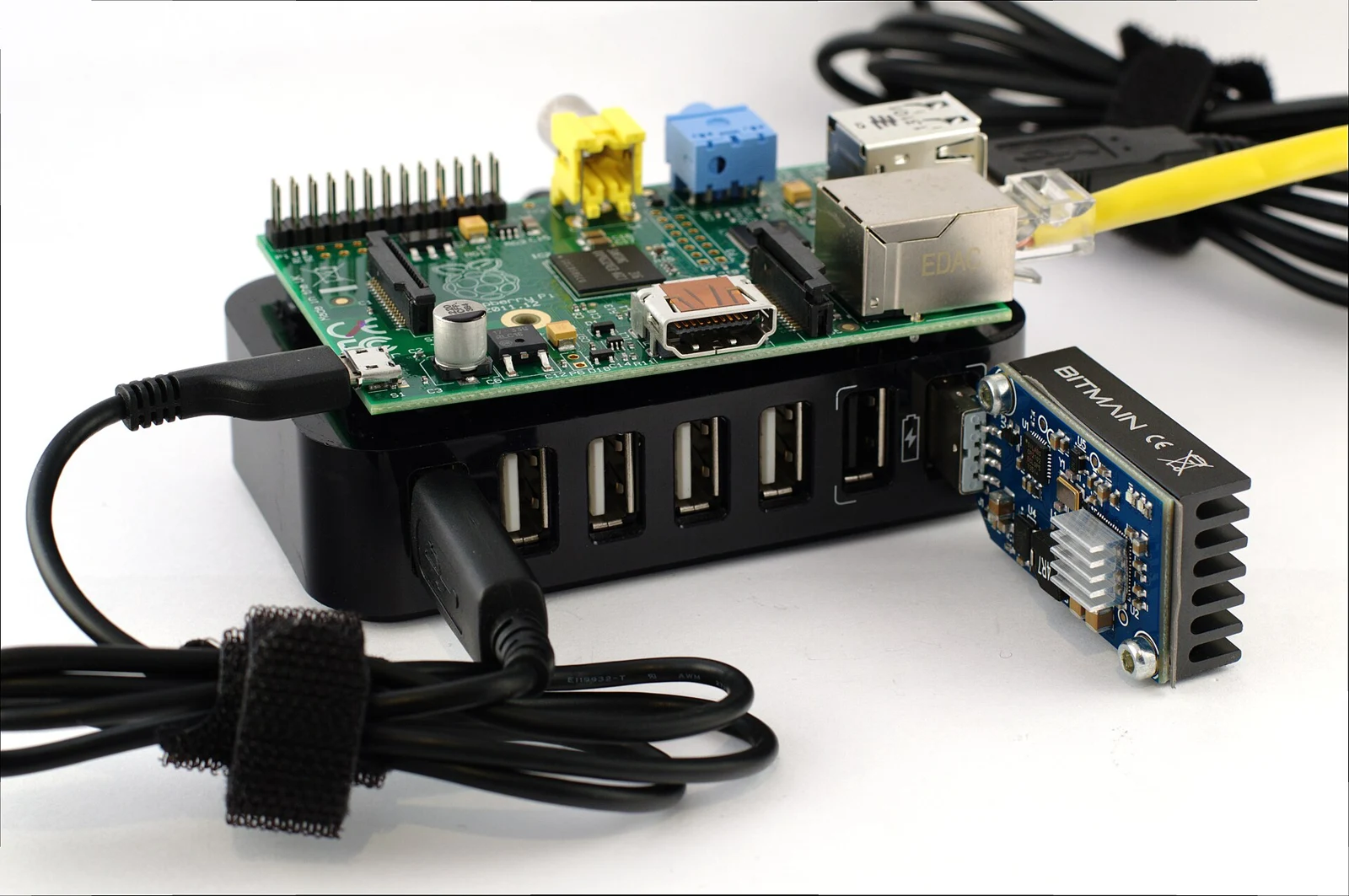
PowerCompute reports 26 MW of owned, interconnected electrical capacity: 15 MW in Calumet, Oklahoma and 11 MW in Columbus, Mississippi. About 22.5 MW primarily supports Bitcoin mining, with part allocated to an enterprise high-performance-computing pilot. The company also reports a blended power cost, net of power sales, of approximately 3.3 cents per kWh. That is a portfolio measure and may not match the gross utility tariff or all operating costs at either location.
A 3.5 MW Mississippi expansion remains planned
Approximately 3.5 MW of capacity in Columbus is owned and interconnected but not yet energized. PowerCompute plans to install new mining equipment there. Because the electrical position already exists, management expects to add hashrate without buying another site, but deployment still requires equipment, installation and energization. The announcement should therefore be read as a plan, not as an increase already reflected in active fleet telemetry.
Active hashrate was 763 PH/s at the end of August
PowerCompute reports approximately 763 PH/s of active mining hashrate as of August 31. After the Columbus expansion and continuing replacement of older machines in Calumet, it expects approximately 964 PH/s. That would be an increase of about 201 PH/s, or roughly 21% from the August figure. A separate comparison in the release uses 771 PH/s at June 30 and calls the increase about 25%; the different baselines explain the two percentages.
Execution and economics still depend on operations
At the projected 964 PH/s, management estimates about 37 PH/s per megawatt of owned capacity. Achieving that level depends on miner delivery, installation, uptime, fleet efficiency and actual allocation between mining and HPC. Debt reduction lowers financing pressure but does not guarantee mining profit, because network difficulty, hashprice, power cost and curtailment remain decisive. The next useful evidence will be energized megawatts, observed pool hashrate, fleet efficiency and quarterly cash-flow reporting.
Source: PowerCompute ↗
Mining calculator ↗