Digital Commodities adds Solana while keeping 11 BTC as its reserve foundation
Source report: 2026-09-28 · Editorial analysis published: 2026-09-29
Digital Commodities announced a roughly C$100,000 Solana purchase funded by selling part of its physical gold position. The company says its 11 BTC and cash remain the reserve foundation, while the new allocation is governed separately as an AI-infrastructure strategy.
Analysis and practical implications
This section is our analysis and illustrative calculations, separate from the source report.
The company created two treasury mandates
Digital Commodities announced on September 28, 2026 that its treasury will operate under two separately governed mandates. Bitcoin and cash form the reserve foundation, while a second allocation may hold digital assets that management believes could benefit from artificial-intelligence-related economic activity. The first purchase in that second allocation was approximately C$100,000 of Solana. The company describes the amount as about five percent of estimated net asset value on the announcement date, which gives scale to the transaction.
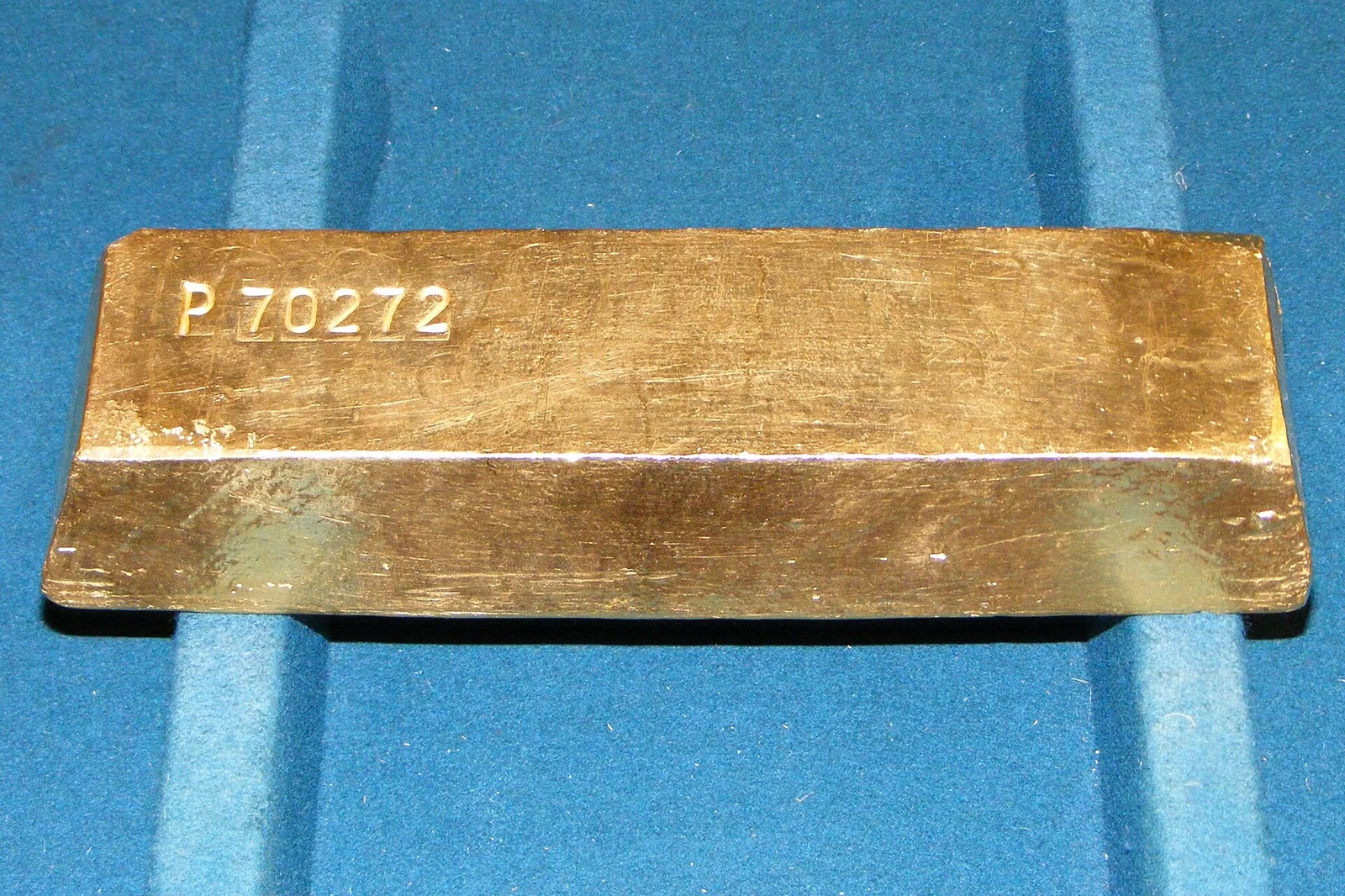
The Solana purchase was funded from gold
The release says Digital Commodities monetised part of its physical gold holdings to fund the initial Solana position. Management states that it does not intend to reduce the Bitcoin position for additional AI-infrastructure allocations without separate board approval and disclosure. The distinction is important: the transaction diversifies the non-Bitcoin portion of the treasury rather than selling the company’s 11 BTC. Investors should still verify later filings because an intention can change and future allocations may use different funding sources.
Bitcoin remains the stated reserve foundation
The company reports 11 BTC together with cash as the base of its reserve policy. Eleven coins are small compared with the treasuries of major public holders, so the announcement is more significant as a governance choice than as a source of Bitcoin market demand. The number should be tied to the reporting date and custody disclosures. Holdings can change through purchases, sales, fees or transfers, and a press release does not replace audited statements or a reconciliation of cash and digital assets.
The AI thesis is forward-looking
Management argues that autonomous software may create demand for blockchain payment and settlement infrastructure and selected Solana for the first allocation. That is a strategic hypothesis, not a completed revenue stream. The company lists adoption, regulation, liquidity, cybersecurity and capital availability among the uncertainties. Readers should separate the verified facts—the asset purchase, its approximate size and the approved framework—from predictions about AI agents, network usage and the future value captured by a token.
This is market news rather than mining news
Neither Solana holdings nor the treasury framework add SHA-256 hashrate to Bitcoin. The relevance to miners is indirect through digital-asset capital flows, public-market sentiment and possible competition for investment. ASIC profitability still depends on Bitcoin-denominated block revenue, network difficulty, fees, electricity and machine efficiency. A diversified corporate treasury should not be interpreted as evidence that Bitcoin mining revenue is moving to another proof-of-work network or that Solana can be mined with Bitcoin ASIC hardware.
Separate governance can improve reporting clarity
Two mandates can make it easier to disclose which assets serve as reserves and which represent a higher-risk thematic allocation. Useful governance should define position limits, custody, rebalancing authority, valuation, liquidity and approval thresholds. The release says the allocations are separately governed, but detailed policies and ongoing reporting will determine whether readers can monitor the boundary. A labelled bucket does not by itself prevent concentration, correlated losses or changes in strategy during a volatile market.
Net asset value depends on valuation time
The company estimates that the Solana purchase represents about five percent of NAV as of September 28. Both token prices and public investments can move quickly, so the percentage is a dated snapshot. Analysts should reconstruct NAV with the same prices, exchange rates and liabilities used by the company. Comparing a later market value with the original percentage can produce a false discrepancy. It is also necessary to distinguish gross asset value from net value after debt and other obligations.
Custody and liquidity remain operational risks
Digital assets require secure key management, authorised transaction processes and independent reconciliation. A treasury that holds multiple networks may need different custody tools and operational controls. Liquidity can also change during stress, and a quoted market price may not equal the price available for a corporate-sized sale. The company identifies custody, theft, technology and market risks in its forward-looking statements. Future reports should show where assets are held, whether they are pledged and how valuation controls are applied.
What the announcement establishes
The verified result is a C$100,000 Solana acquisition funded from part of a gold position, alongside a policy that keeps 11 BTC and cash as the reserve foundation. The rest is an investment thesis that will need evidence through adoption, returns and consistent governance. For the ASIC.tools audience, the story belongs in the market section because it shows how a smaller public company is separating Bitcoin reserves from an AI-themed allocation, while leaving Bitcoin network operations unchanged.
Source: Digital Commodities Inc. ↗
Mining calculator ↗