New York secures nearly $6 million in a case that began with mining promises
Source report: 2026-10-22 · Editorial analysis published: 2026-10-25
An October 22 update separates nearly $6 million in promoter settlements from a further $1.3 billion court request. AWS Mining’s promised returns show why a mining label is not proof of real income.
New agreements in an older mining-and-trading case
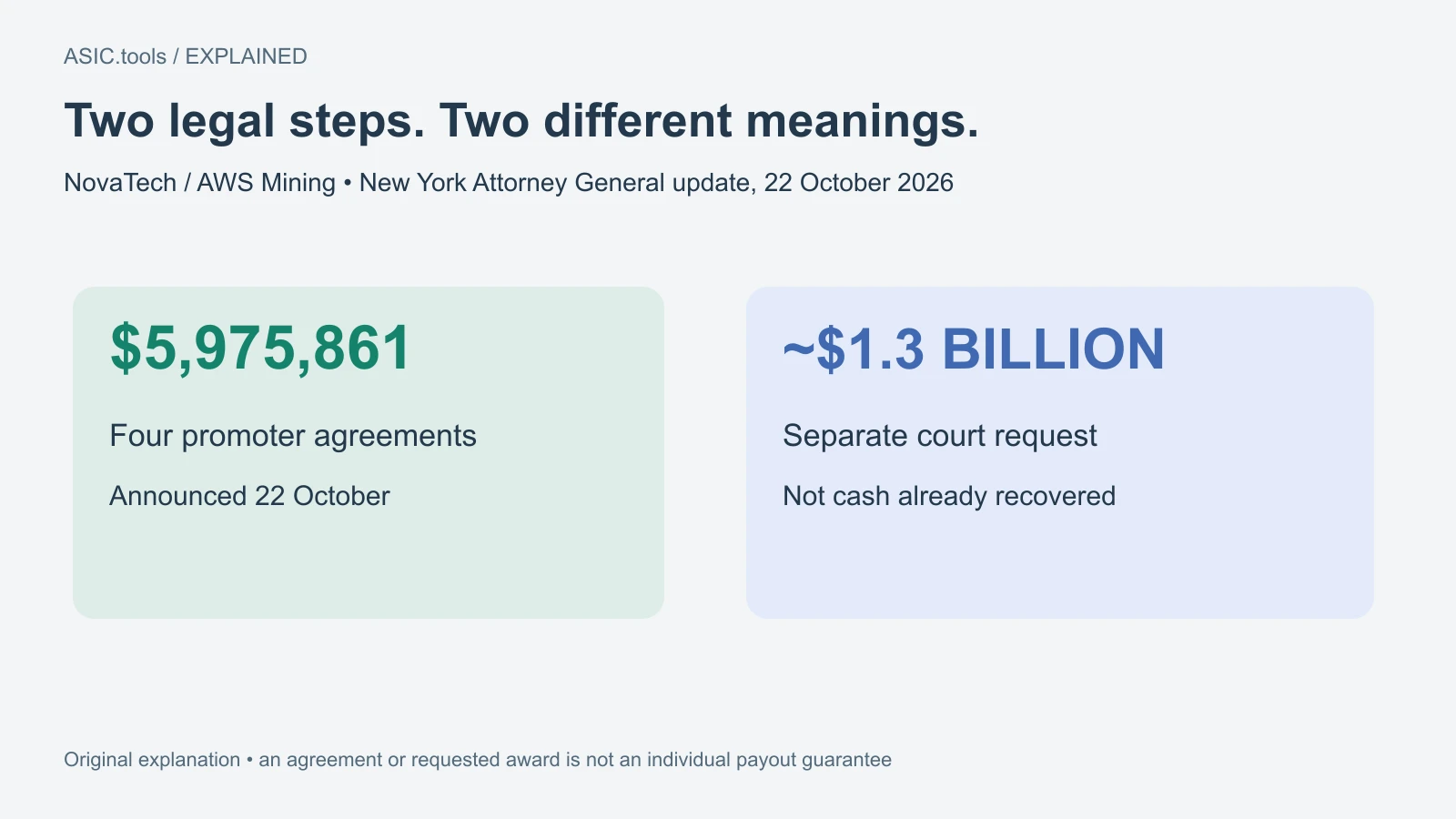
New York Attorney General Letitia James announced on October 22 that four promoters linked to NovaTech and AWS Mining had agreed to pay nearly $6 million for the benefit of victims. The same update describes a separate request asking a court to order the scheme’s leaders to pay an additional $1.3 billion. These are different legal steps, not one completed billion-dollar recovery.
The case matters to readers considering cloud-mining contracts or other promises of passive crypto income. AWS Mining sold an investment story built around mining; NovaTech later sold a trading story. According to the attorney general, both used misleading returns and recruitment incentives to attract people who often had little experience with cryptocurrency.
The fresh event is the October 22 settlement and monetary-relief update. AWS Mining’s collapse in 2019, NovaTech’s collapse in 2023 and the lawsuit filed in 2024 are background. Calling those old collapses a new mining shutdown would obscure what has actually changed.
What nearly $6 million means
The announced promoter amounts are $2.9 million from Martin Zizi, $2.05 million from Frantz Ciceron, $750,000 from James Corbett and $275,861 from Ricardo Roy, Sr. Together they total $5,975,861, explaining the announcement’s rounded description of nearly $6 million.
The office says these payments are disgorgement for victims’ benefit. Disgorgement means giving up gains obtained through wrongdoing; it is not a new return generated by a mining farm. The four promoters also face permanent bans from the securities, commodities and cryptocurrency industries under the announced settlements.
An agreed payment does not establish that every victim has already received money. The release does not give each person a distribution date or an individual recovery percentage. Those details should come from the responsible authorities, rather than from someone selling priority access to a compensation list.
The larger sum is still a court request
The attorney general separately asks for about $1.3 billion in relief involving NovaTech’s founders, Cynthia and Eddy Petion, and the relevant defendants. The office links a motion filed on October 22. It follows a default judgment issued in August 2025 after the defendants failed to appear and respond.
A default judgment resolves liability in that procedural setting; the current submission asks the court to determine monetary relief. A request for damages or disgorgement should not be described as cash already collected, and the promoter settlements should not be mixed into it as if they were identical outcomes.
For the reader, the distinction is practical. A large court figure may show the scale of the case, but it does not tell an individual how much can be recovered or when. The announced enforcement action is real; a guaranteed refund is not part of this update.
The mining promise came before the trading promise
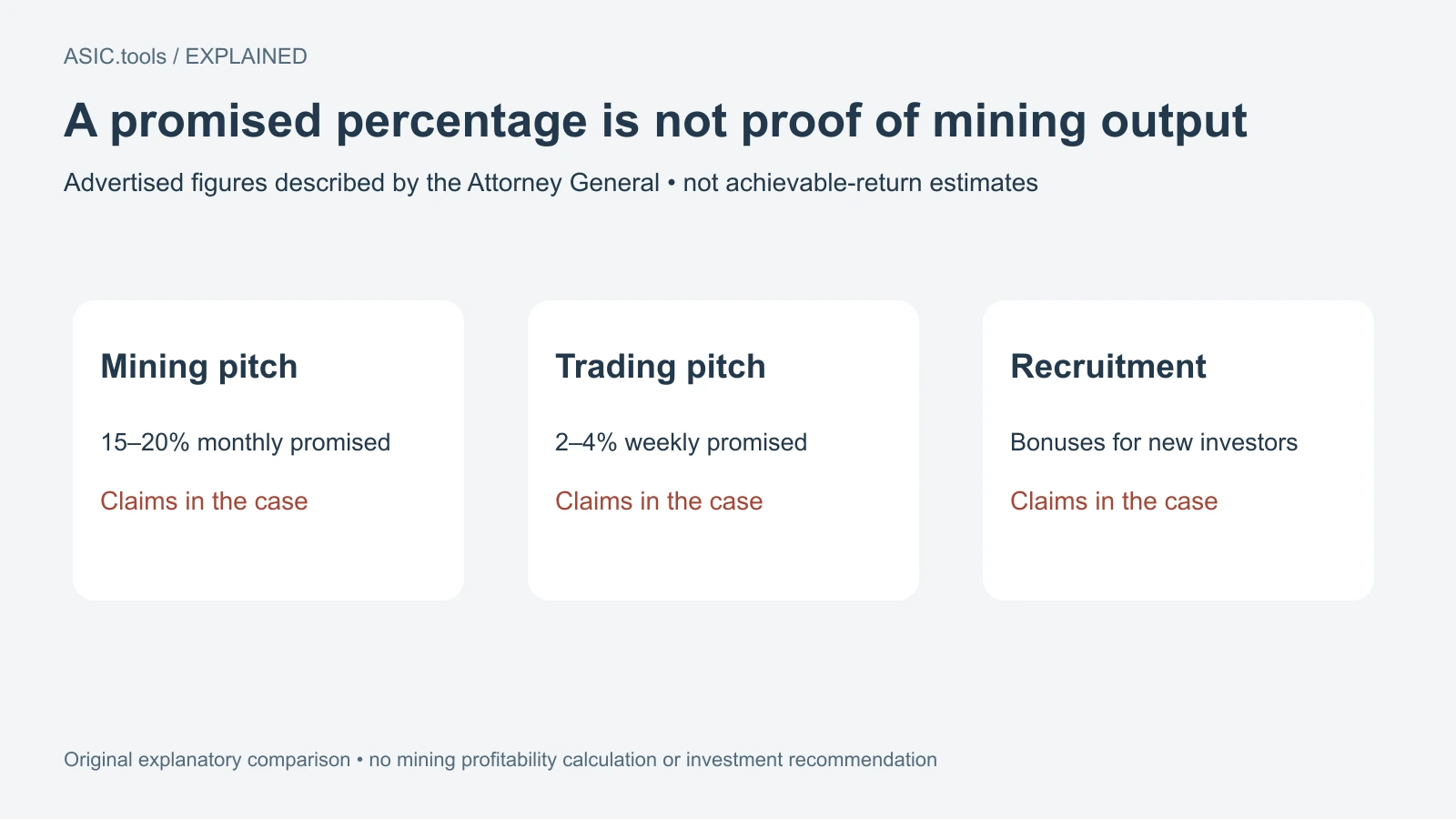
The attorney general says AWS Mining advertised monthly returns of 15–20%, a 200% return within 15 months and rewards for recruiting new investors. It did not generate sufficient returns, if any, to meet the promises and recruitment commissions, according to the office, and collapsed in 2019.
Afterward the Petions created NovaTech. The office says it promoted returns of roughly 2–4% a week from trading and claimed customers could withdraw their money and profits whenever they wanted. Recruitment bonuses and personal trust helped distribute the pitch.
The announcement says more than $1 billion in cryptocurrency went into NovaTech between August 2019 and April 2023, while less than $26 million was traded on its platform. This is the authority’s account of these named schemes, not proof that every remote-mining service follows the same model.
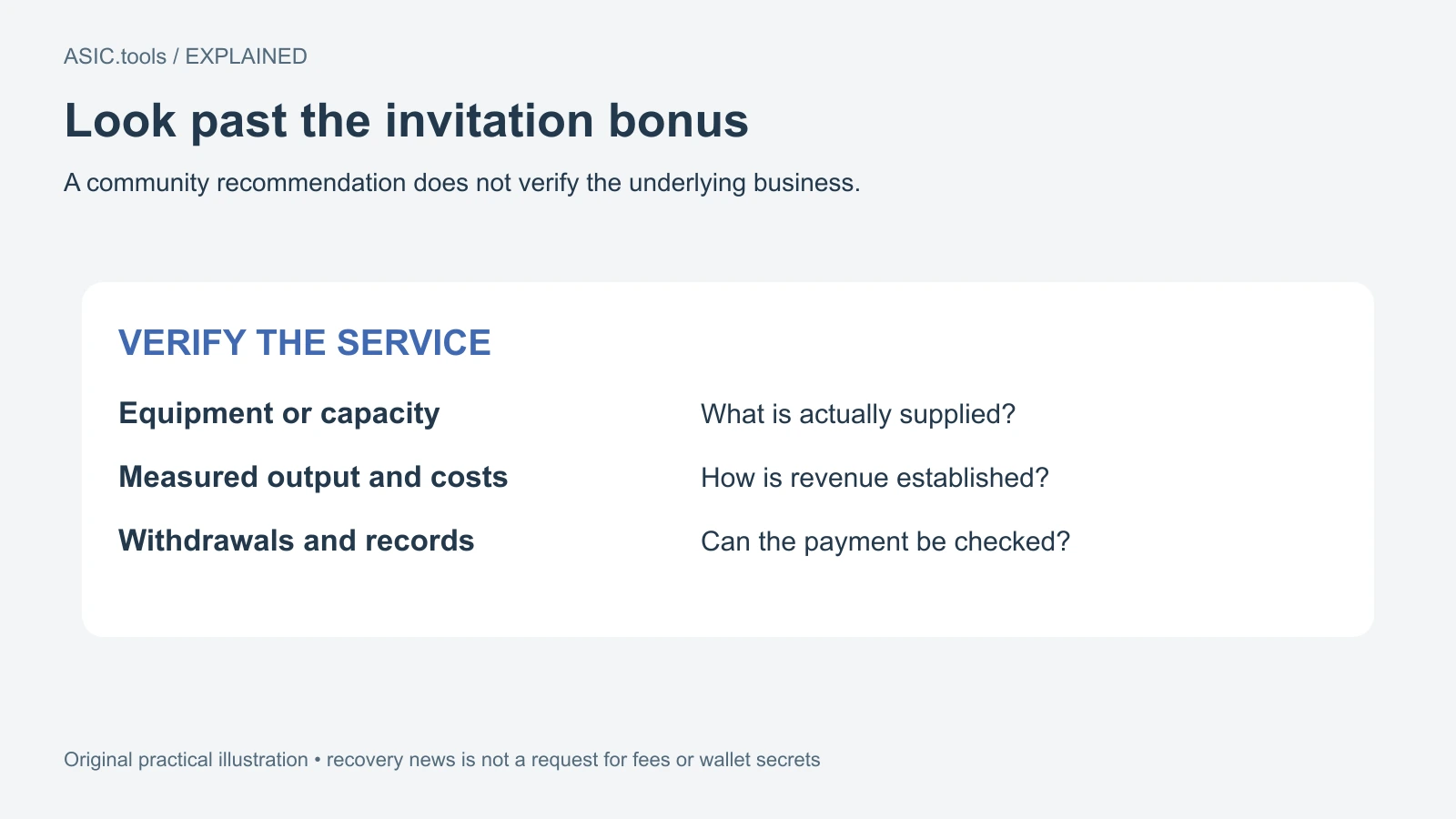
Why familiar faces can make a weak claim feel safe
According to the office, the promoters reached immigrant and religious communities through prayer groups, social media and WhatsApp, including messages in Haitian Creole. More than 11,000 New Yorkers lost tens of millions of dollars across the schemes. A trusted community connection made the investment feel familiar, but could not verify the underlying income.
In real proof-of-work mining, computers compete to produce valid blocks. Revenue depends on the coins earned, their market value, network competition, power bills and other costs. A fixed percentage paid by a website is not itself evidence that those mining revenues exist.
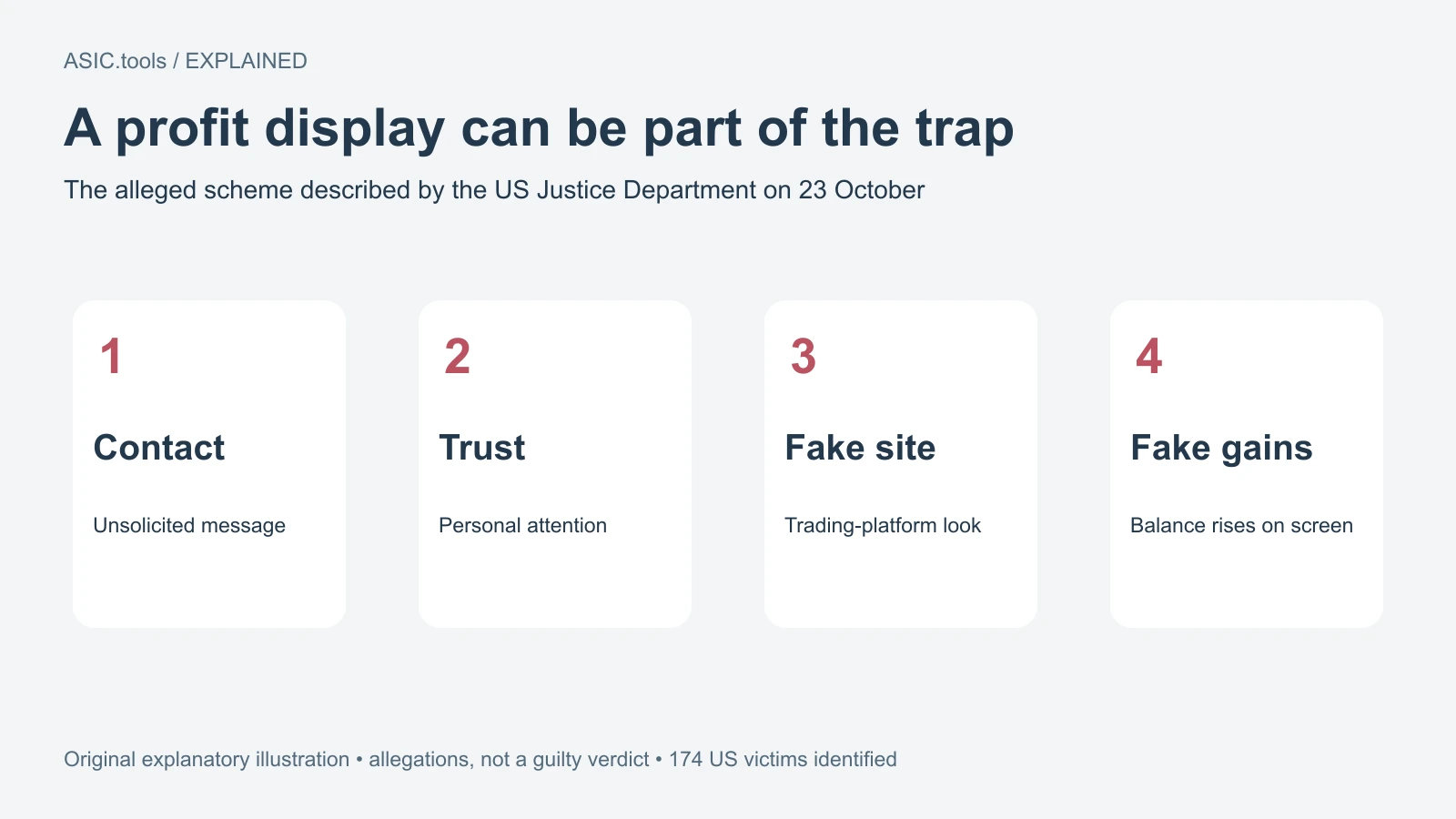
Before committing money, separate the service from its sales pitch: what equipment or capacity is being supplied, how output is measured, which costs are deducted and how withdrawals work. Recruitment bonuses do not answer any of those questions. A screenshot of an account balance is also different from a payment you can independently verify.
Read the recovery news without falling for another pitch
The new settlements provide a concrete development in an existing case. They also illustrate why the label mining, the promise of steady weekly income and a recommendation from someone you know cannot substitute for evidence about a business.
If you believe this case concerns you, use the attorney general’s official pages and the linked case documents to check announcements. Keep your own deposit, withdrawal and communication records. Do not send a recovery phrase or pay an unsolicited agent who claims to unlock the announced settlement money.
The useful conclusion is measured: New York has announced promoter agreements and a separate larger court request. It has not announced a universal reimbursement timetable, restarted either business or made their earlier promised returns achievable.
Source: New York Attorney General ↗ · October 22 motion for monetary relief ↗
Mining calculator ↗