NiceHash launches Virtual Machine Mining packages for rented Bitcoin hashpower
Source report: 2026-10-02 · Editorial analysis published: 2026-10-05
The new VMM interface lets customers buy fixed or flexible mining capacity and direct it to a pool without owning ASIC hardware. The service changes access and billing, not the probability or operating costs behind proof-of-work.

Analysis and practical implications
This section is our analysis and illustrative calculations, separate from the source report.
NiceHash introduced a new hashpower access product
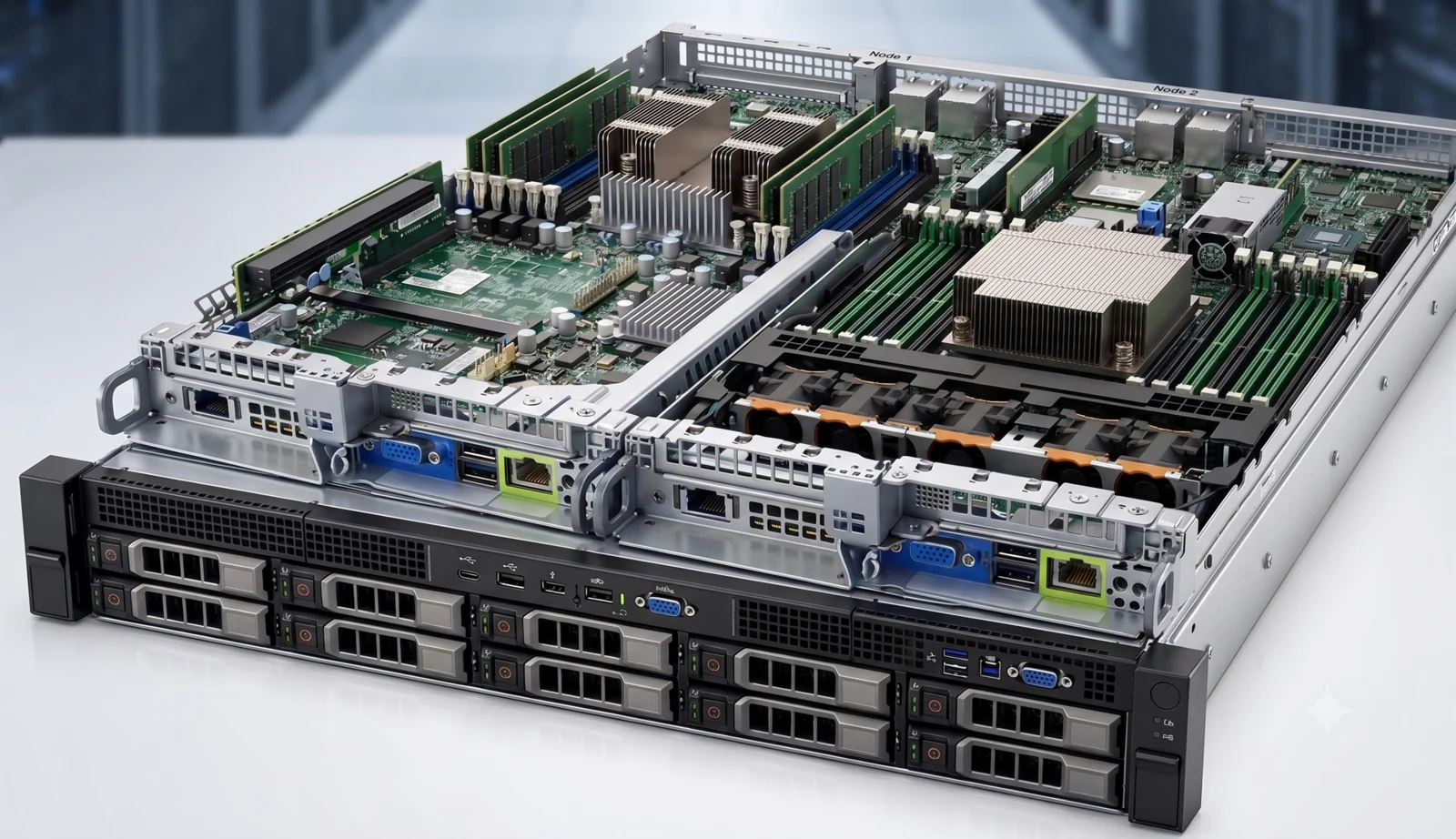
NiceHash announced Virtual Machine Mining, or VMM, on October 2 as a way to purchase Bitcoin mining capacity without buying, deploying or maintaining an ASIC. Its official support area separates getting started, package management, pricing, pool selection and earnings. The product name describes a commercial interface to rented hashpower; it does not mean Bitcoin proof-of-work runs without physical mining machines. ASICs, electricity, cooling and pool connections still provide the underlying work.
Customers choose packages instead of individual machines
The service presents capacity through packages rather than a purchase of a named miner with a serial number. NiceHash documents fixed and flexible package types and allows customers to view package statistics and manage pool settings. Buyers should confirm the unit of hashrate, delivery duration, activation rules, included fees and cancellation or refill conditions before paying. A package label alone does not show the equivalent hardware count, facility location or electricity price embedded in the offer.
Pool selection determines where work is submitted
VMM allows a customer to manage the mining pool that receives the purchased work. That gives more control than a closed product with a single predefined destination, but it also creates setup responsibility. Pool URL, worker credentials, payout method, minimum payout and supported protocol must be correct. Misconfiguration, pool downtime or incompatible requirements can reduce useful delivery even if NiceHash supplies the contracted raw hashrate.
Rented hashrate does not guarantee bitcoin earnings
Expected mining output depends on delivered work relative to network difficulty, block rewards, transaction fees and pool payout rules. Over short periods, variance can be significant, especially under solo-style payout. Package cost is known at purchase, while the value of mined bitcoin and network conditions can move. NiceHash’s interface can simplify access, but it cannot make revenue fixed unless a separate contract explicitly guarantees a specified payment, which is different from ordinary mining.
Fixed and flexible terms shift different risks
A fixed package can make duration and capacity easier to budget, while a flexible product may allow adjustment as conditions change. Exact rights depend on the current service terms, including availability, refill, cancellation and pricing. Buyers should save the accepted terms and order record because online product conditions can change. Comparing offers requires an effective cost per delivered PH/s-day after every fee, rather than comparing only the minimum entry price or a promotional headline.
Operators can use rentals for bounded tests
A mining business might rent hashrate to test a pool, validate monitoring or cover a short operational gap without procuring another ASIC batch. The test should define success before purchase: accepted hashrate, rejected-share rate, delivery stability, payout accounting and total cost. A short package should not be annualized from an unusually lucky result. Longer procurement decisions still require comparison with owned hardware, hosting contracts, power availability, repair capacity and residual value.
Ownership and rental have different control profiles
An ASIC owner pays capital and operating costs but controls the device, firmware and deployment over its useful life. A VMM customer avoids direct hardware work and receives a time-limited service, while relying on the provider’s supply, billing and measurement systems. Neither model is universally cheaper. The correct comparison discounts future cash flows, includes downtime and fees, and distinguishes transferable hardware value from a service that ends when the package expires.
Evidence should focus on delivery and settlement
Prospective users should review NiceHash’s current help pages, service terms and package statistics rather than relying on social-media summaries. After activation, pool-side accepted hashrate provides an independent comparison with the platform display. Records should include start and end times, interruptions, fees, payouts and support cases. VMM expands the ways miners can buy compute, but profitability still depends on the price of that compute relative to verified delivery and the Bitcoin network conditions during the contract.
Source: NiceHash ↗
Mining calculator ↗