NiceHash reports one EasyMining user found two Bitcoin blocks in a day
Source report: 2026-10-02 · Editorial analysis published: 2026-10-03
The company says rented hashpower found blocks 967,911 and 967,915 only four blocks apart, producing more than 6 BTC in combined rewards. The event does not make solo-style mining predictable or guaranteed.
Analysis and practical implications
This section is our analysis and illustrative calculations, separate from the source report.
NiceHash described two block discoveries
In a company-supplied release published October 2, NiceHash said one EasyMining customer found Bitcoin blocks 967,911 and 967,915 on the same day in September. The blocks were four heights apart and generated more than 6 BTC in combined block rewards, according to the release. NiceHash says the user bought Gold L Solo Mining packages costing approximately 0.01 BTC each. The release does not identify the customer or provide a full account ledger, so the personal details remain a company-reported claim.
EasyMining rents work instead of selling hardware
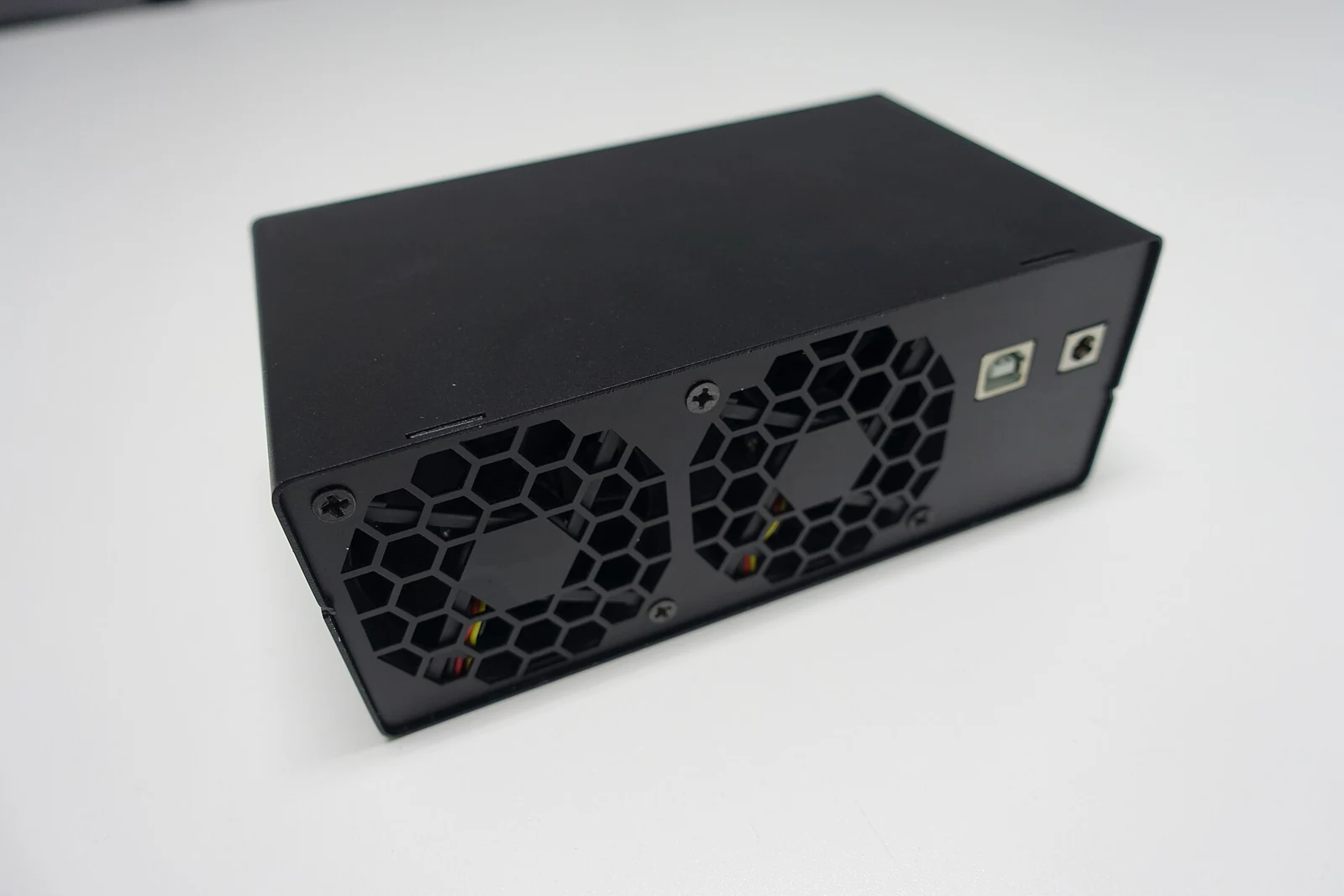
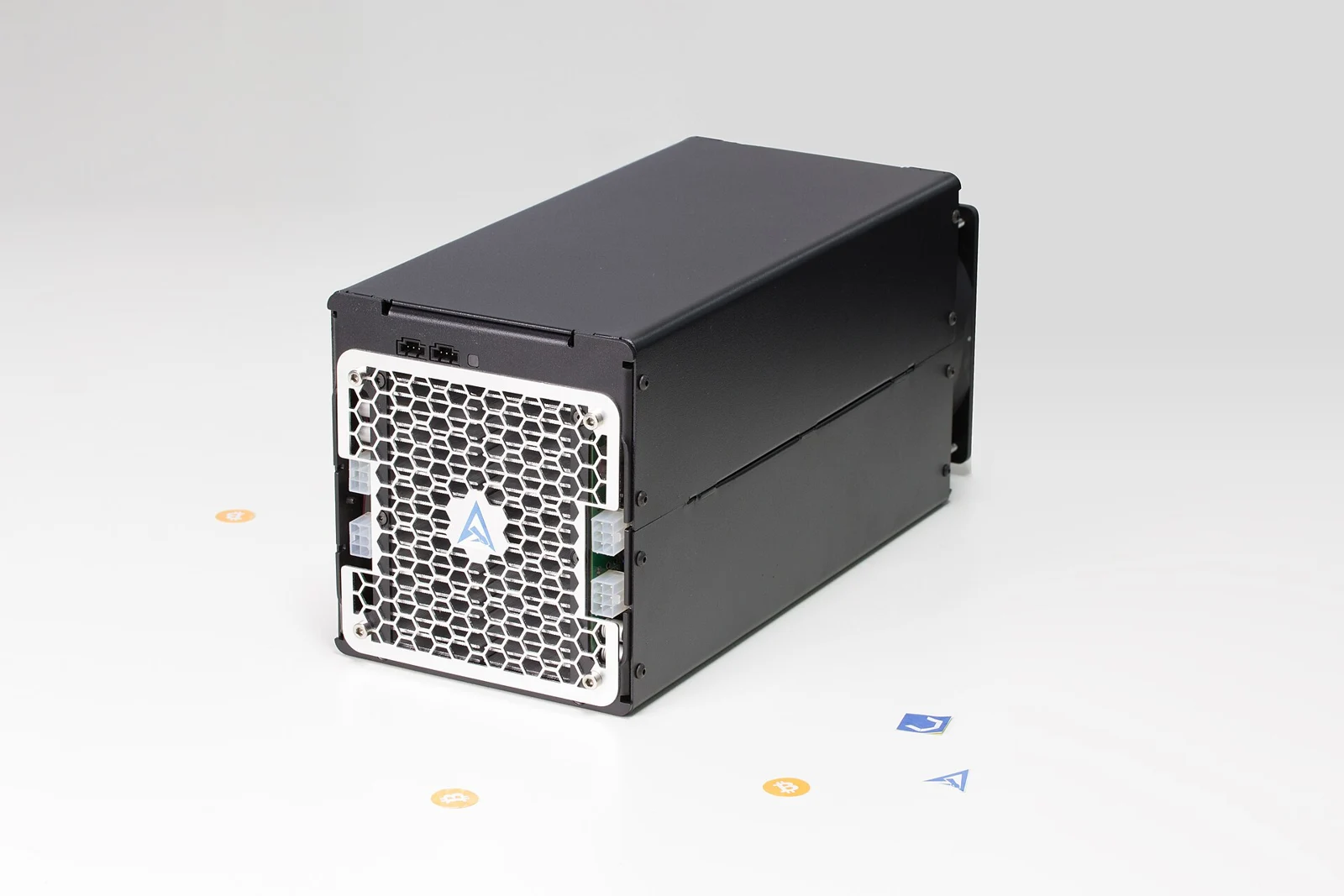
NiceHash operates a marketplace where sellers provide computing power and buyers purchase hashpower. EasyMining packages direct purchased work toward a mining attempt without requiring the buyer to own, host or maintain an ASIC. The physical machines still exist and consume electricity somewhere on the supply side. The product changes who buys the work and receives a successful package result; it does not remove hardware, energy costs, pool infrastructure or the proof-of-work process from Bitcoin.
Finding a block is a probability event
A solo-style package has a chance of finding a valid block that depends on the work purchased relative to total network work during the attempt. Most attempts will not find a block, while a small number may succeed quickly or even more than once. Two wins close together are unusual but possible under the same probability model. They do not demonstrate a repeatable timing pattern, a hidden reduction in difficulty or a guaranteed return for another customer buying the same package.
More than 6 BTC is not the same as net profit
Combined block rewards include the protocol subsidy and transaction fees attached to the discovered blocks. To evaluate the user’s result, an analyst would need every purchased package, package price, service terms, payout deductions, exchange costs and unsuccessful attempts across the relevant account history. The release provides the approximate price per Gold L package but not a complete lifetime profit-and-loss statement. The reported reward therefore describes the successful events, not a general expected return or audited net income.
Block heights provide a public verification path
Blocks 967,911 and 967,915 can be inspected in independent Bitcoin block explorers for timestamp, coinbase reward, fees and the entity that announced or received the block. Public chain data verifies that the blocks exist, but it may not prove the private commercial relationship behind the purchased hashpower. A careful report combines both evidence types: the blockchain for the block facts and NiceHash’s release for the claim that the same EasyMining customer purchased the winning packages.
Package price does not define expected value alone
NiceHash says users can start with USDT-denominated packages, including small entry amounts, but a low minimum does not change the underlying odds. Expected value depends on delivered hashrate, duration, network difficulty, fees, reward rules and the provider’s pricing margin. Customers should read the package conditions and understand whether unused work, stale shares or interrupted delivery are handled in a specified way. Spending should be treated as a probabilistic mining purchase, not as savings, interest or a fixed-yield product.
ASIC owners face a different operating trade-off
Owning miners requires capital, electrical service, ventilation or liquid cooling, repairs, firmware management and ongoing power payments. In return, an operator controls the equipment and can accumulate many mining attempts over its useful life. Rented hashpower avoids direct hardware operation but embeds the supplier’s costs and marketplace price into a short contract. Comparing the two requires the same units: effective terahashes delivered, energy and service costs, uptime, pool terms and expected bitcoin after all fees.
The lesson is risk disclosure, not a winning formula
The defensible conclusion is that NiceHash reported a rare same-day pair of successful packages and explicitly states that finding a block is uncertain and no reward is guaranteed. The event can illustrate variance in proof-of-work, but it should not be used to forecast another package’s outcome. Prospective users should verify terms, set a strict loss limit and compare the implied cost per unit of work with conventional pool mining. A memorable winner is evidence that success can occur, not evidence that the average purchase is profitable.
Source: NiceHash ↗
Mining calculator ↗