GPU clouds: the cost of delayed deployment
Source report: 2026-07-22 · Editorial analysis published: 2026-09-10
GPU depreciation starts before customer revenue. Luxor models how deployment delays and infrastructure reuse affect a mining operator’s AI expansion.

Analysis and practical implications
This section is our analysis and illustrative calculations, separate from the source report.
The interval without revenue deserves its own budget
A GPU cloud begins spending before it begins selling. Hardware can be delivered while networking, cooling or customer onboarding remains unfinished. During that interval, the operator has committed capital without the planned revenue. Treating deployment as instantaneous hides one of the most important risks in the business case.
Build a timeline with separate dates for delivery, physical installation, technical acceptance and commercial service. A machine can be installed without being accepted, and accepted without having a paying customer. The timeline should show which team is responsible for moving from one stage to the next.
Reuse should be measured, not assumed
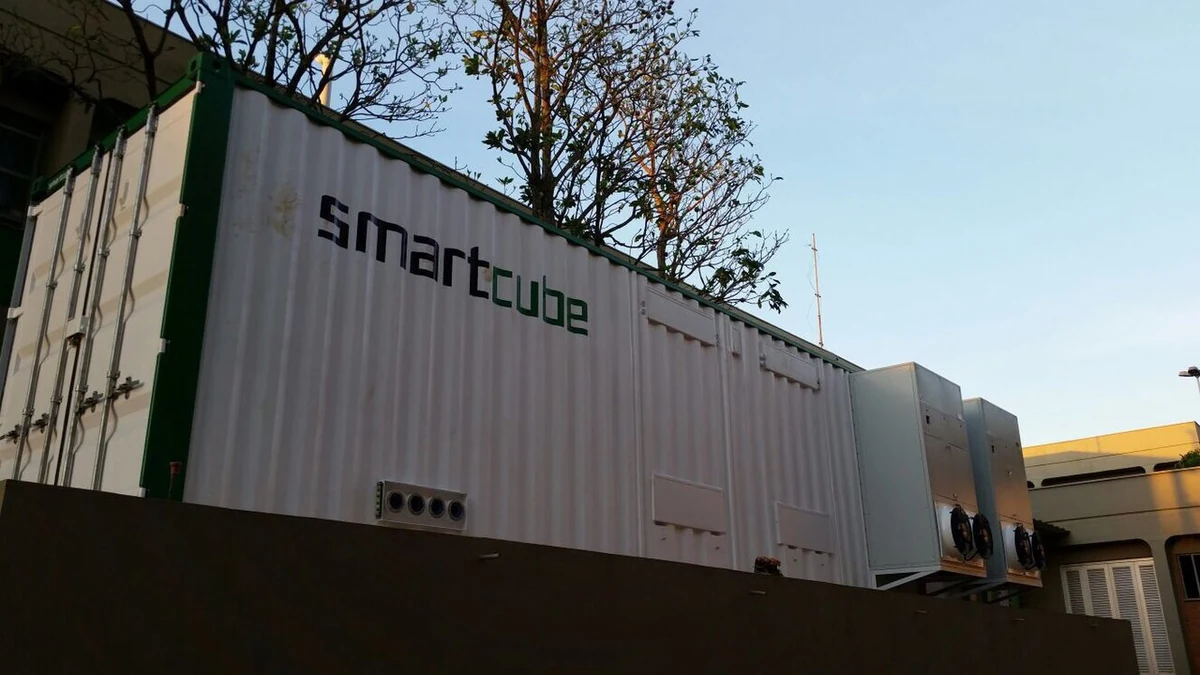
An existing mining site may offer useful electrical infrastructure, land or operating experience. Those advantages need to be valued against the modifications required for the new service. Reusing a connection does not mean that the building's cooling, networking and service procedures are already suitable for AI workloads.
Create a reuse register that lists each retained asset, the work required to adapt it and the evidence that it meets the new requirement. This prevents a headline saving from masking a collection of smaller conversion costs. It also makes it easier to compare a retrofit with a different deployment option.
Utilization and price can weaken together
A financial model that assumes a fixed selling price and full utilization is a capacity model rather than a commercial stress test. In a weaker market, customers may use fewer hours while negotiating lower prices. Those variables should be changed independently and together.
For illustration, reducing utilization from 80% to 60% cuts billed hours by one quarter. If the realized price also falls by 10%, revenue becomes 67.5% of the starting case. Many fixed expenses will not fall by the same amount. The example shows why a small set of optimistic assumptions can create a fragile apparent margin.
Track the actual unit economics after launch
Measure paid usage, realized prices, power costs, support effort and downtime. Separate promotional credits from recurring customer revenue. Keep equipment financing and replacement assumptions visible rather than hiding them behind an operating margin that excludes capital costs.
The decision to expand should be based on evidence from a working service: customer retention, stable utilization and a repeatable deployment process. Mining experience provides useful operational skills, but the commercial behavior of a GPU cloud must be demonstrated on its own terms. A strong model explains the path from installed equipment to collected revenue.
Source: Hashrate Index / Luxor ↗
Mining calculator ↗