GridPool releases StartOS and Umbrel beta packages for native Stratum V2
Source report: 2026-09-15 · Editorial analysis published: 2026-09-16
September 15 packages simplify deploying GridPool. These are early server-side betas, not universal ASIC firmware; native SV2 compatibility remains essential.
Analysis and practical implications
This section is our analysis and illustrative calculations, separate from the source report.
A new route to running mining infrastructure
On September 15, the GridPool developer announced packages for StartOS and Umbrel on the 256 Foundation forum. The project presents a way to share Bitcoin mining rewards while retaining local block-template control. That is the developer’s description, not an independent performance result. For an ASIC owner, the immediate development is easier access to a test deployment. It does not establish that an existing machine can connect unchanged or that every mining workload should move to this network. The analysis below separates software packaging from hardware compatibility and payout evidence.
Which packages were checked
The linked releases are StartOS v0.2.2-beta.7 and Umbrel v0.2.2-beta.9. Both are marked as early beta. Their notes describe a branding revision with mining behavior unchanged from the preceding packages. Treat the platform and complete version string as a pair: a higher suffix on one platform does not prove a newer mining algorithm. Save the exact release link with a test record so later observations can be reproduced. These packages run server-side services; they are not images to flash onto an Antminer control board.
Native SV2 is the compatibility boundary
The announcement limits this beta to native Stratum V2, and the StartOS notes explicitly exclude ordinary SV1. Before choosing a test machine, check what its installed firmware actually supports, not merely the manufacturer name or SHA-256 algorithm. A device’s ability to mine Bitcoin does not identify its pool transport. Record the firmware version, connection endpoint and required public authority key from the selected package’s instructions. A familiar-looking pool URL alone is not proof of an authenticated, compatible connection. Do not invent an SV1 fallback that the release does not provide.
Reward sharing is not a return guarantee
Sharing outcomes can change how unevenly mining income arrives, but does not create extra hashing work. In an independent illustrative example, a group credited with ten equal work contributions could divide a distributable reward into ten equal portions if that were its agreed rule. This arithmetic says nothing about GridPool’s actual accounting rule, block frequency or costs. A meaningful assessment needs the implemented payout conditions, accepted work and settled transactions. The developer’s claim about reduced variance should be evaluated against those records rather than translated into a promised daily return.
A controlled trial produces useful evidence
Start with an isolated test environment and a limited device allocation. Before changing the connection, record the machine’s normal accepted work, rejects, wall power and restart behavior over a defined interval. Use the same measurement interval after the change and preserve the original pool configuration for rollback. A short successful connection only checks connectivity; it cannot establish long-run payout behavior. Separate faults in the local server, internet connection and miner firmware so a server outage is not mistaken for a hashboard failure. This is an editorial test method, not a claim that ASIC.tools ran the beta.
Release integrity and an upgrade path
Follow the developer’s release links, choose the correct platform and, where relevant, architecture, and retain the previous configuration. The StartOS release offers different processor builds, while Umbrel installation follows its community-app route. A checksum helps detect a changed download when compared with a trusted reference; it does not certify every program behavior. Likewise, a signed commit identifies a signing relationship rather than guaranteeing an absence of bugs. Store backup and recovery information before testing an upgrade. A project logo or an announcement shared on a foundation forum is not a substitute for this provenance.
Watch the full chain from work to payment
Keep a small operations log linking software version, accepted work, connectivity gaps and payout-address changes. Check that the address displayed by the service is the intended receiving address and that any settled transaction matches the accounting record. Never include seed words or private keys in a public bug report; diagnostics should describe versions and symptoms. In a test with no discovered block, a lack of payment may be inconclusive, so also inspect work acceptance and connection continuity. An evaluation is stronger when it records what was measured and which questions remain unanswered.
What the publication establishes
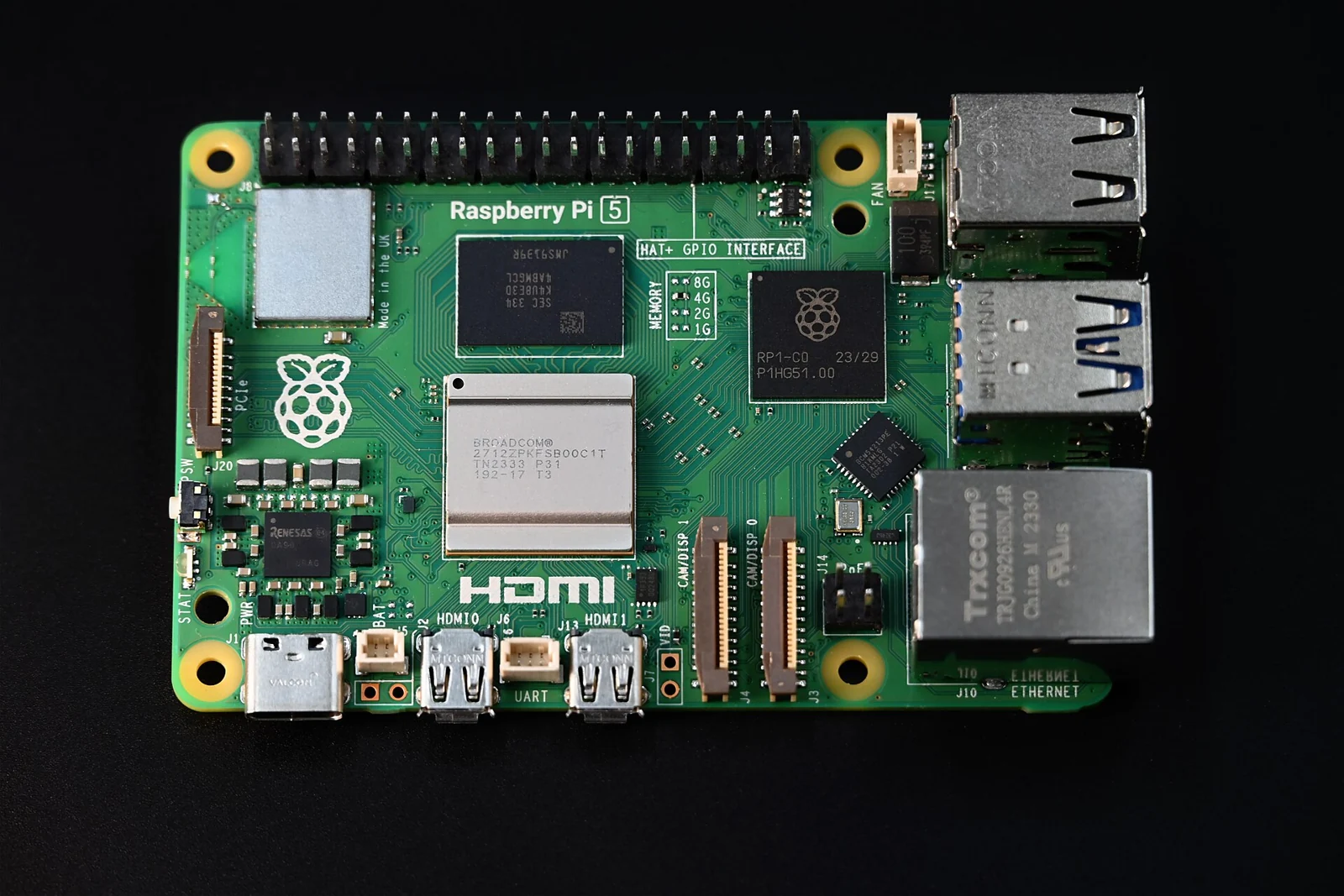
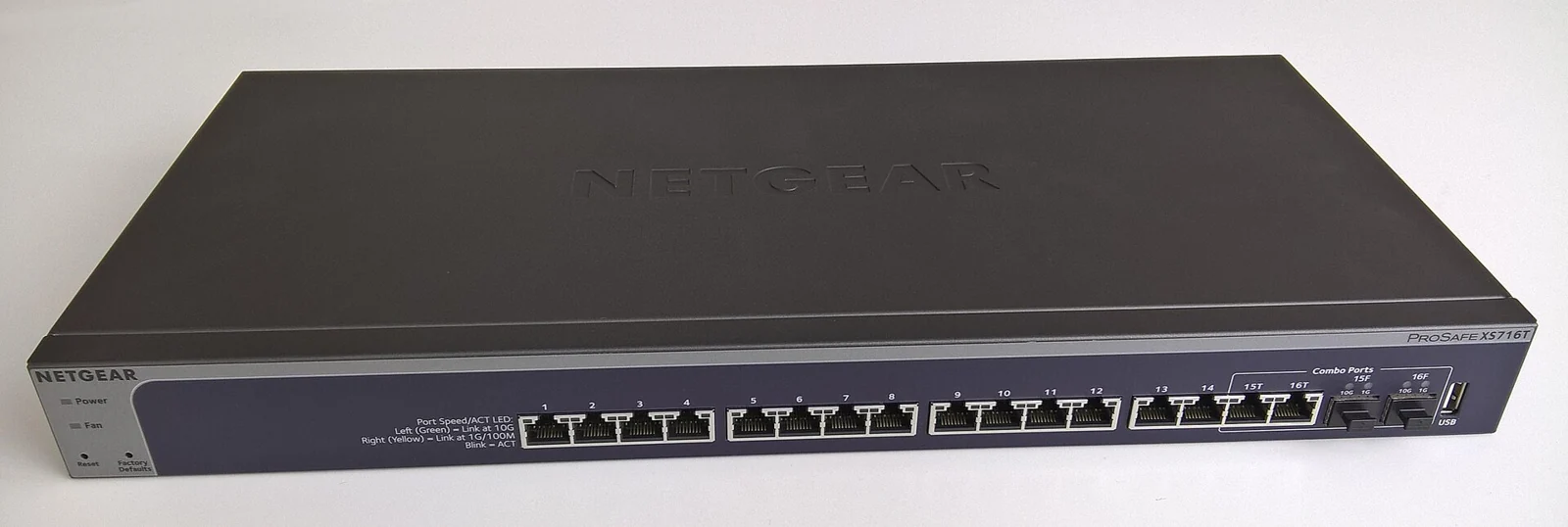
The release links establish that named beta packages are available and document their transport limits. They do not establish production readiness for an entire farm or compatibility with every firmware listed in our catalogue. ASIC.tools has not installed these packages, measured their security or audited their payout mechanism. Readers can use the exact upstream references to follow fixes and compatibility changes, keeping a server package distinct from miner firmware. The two archival photographs illustrate small computing hardware and network equipment; neither depicts a verified GridPool installation or a device endorsed by the developer.
Source: GridPool / 256 Foundation forum ↗ · GridPool StartOS v0.2.2-beta.7 ↗ · GridPool Umbrel v0.2.2-beta.9 ↗
Mining calculator ↗