Fed raises its target range to 3.75–4%: the ASIC budget question
Source report: 2026-09-16 · Editorial analysis published: 2026-09-17
The September 16 decision changes the financing backdrop. Loan terms, electricity costs and Bitcoin revenue remain separate inputs.
Analysis and practical implications
This section is our analysis and illustrative calculations, separate from the source report.
The dated decision
On September 16, the FOMC raised the federal-funds target range by 25 basis points to 3.75–4%, with a 12–0 vote. This is the policy-rate target, not a universal rate charged on miners’ loans.
Basis points are not percentage growth
We use 25 basis points as 0.25 percentage point, or 0.0025 in a rate calculation. Confusing that with a 25% change would materially distort a mining-finance spreadsheet. Record whether an input is a percentage, a percentage-point difference or a decimal multiplier. Keep the same unit when comparing two loan quotes and specify whether the quoted rate is annual. This is an arithmetic clarification, not a new central-bank forecast. A rate range also differs from an executed borrowing quote: a project still needs its own benchmark, lender margin, fees and payment convention.
Fixed and floating borrowing need different scenarios
An existing fixed-rate loan does not automatically reset because the FOMC moves its target. A floating-rate contract may reset on a defined date and benchmark, with its own spread or floor. Our editorial checklist asks which rate applies, when it is reviewed and which principal is actually outstanding. A new equipment loan is another case: its offer reflects the lender’s terms at that time. Compare these cases before assuming every ASIC purchase faces the same immediate cost change. Save the loan-specific schedule alongside the operating calculation, since daily mining income and monthly debt payments have different timing.
A transparent US$100,000 illustration
Our hypothetical loan holds US$100,000 outstanding for one full year. If its own annual rate rises by 0.25 percentage point, the extra simple interest is US$250: 100,000 × 0.0025. Spread evenly across 365 days, that is about US$0.685 a day. This excludes compounding, principal amortization, fees and tax, and does not describe any real lender’s offer. If principal falls during the year, the extra interest must be calculated on the actual balance and applicable dates. The example explains sensitivity; it cannot be used as an asserted policy pass-through or a forecast of an ASIC’s profitability.
Round only the final presentation. For example, US$250 divided by 365 is about US$0.68493. Using a rounded US$0.69 as the input for a whole-year total would introduce a new rounding difference; keep the original annual amount in the spreadsheet.
Keep the electricity calculation separate
Consider an explicitly hypothetical miner rated at 3,510 W and running for 24 hours: it uses 84.24 kWh before auxiliary loads. At an assumed US$0.07/kWh, daily electricity is US$5.8968, or about US$5.90. This is our independent arithmetic, not a tariff quote or a tested machine. The FOMC decision does not automatically change either the watts or that assumed electricity contract. Power cost should be updated from actual terms and metering. Interest belongs to a separate financing line; merging it into a nominal kWh price hides which expense changed and can make comparisons between machines misleading.
Revenue scenarios need their own assumptions
A policy statement cannot determine a miner’s BTC receipts or the currency value of those receipts. Keep effective hashrate, uptime, network conditions, pool charges and conversion price separate. In an original stress test, change the financing assumption while holding operating inputs constant, then test revenue independently. Otherwise a budget may attribute a lower coin price or reduced accepted work to interest alone. If a figure is a historical snapshot, preserve its time instead of describing it as today’s live price. The article makes no directional Bitcoin-price prediction from the rate decision.
Operating margin differs from cash after debt service
In a hypothetical cash-flow comparison, equipment can generate a positive operating contribution while principal and interest payments leave little cash in a particular month. Principal repayment is not the same economic category as electricity consumption. Show operating revenue and running costs first, then financing outflows and reserves on their actual dates. Do not label every negative cash month as proof the ASIC itself is inefficient. Conversely, a positive operating calculation does not show the project can meet all repayment dates. Keeping both views lets a fleet owner compare an operating decision with a funding decision without mixing their units.
Prepare a comparison that can be reproduced
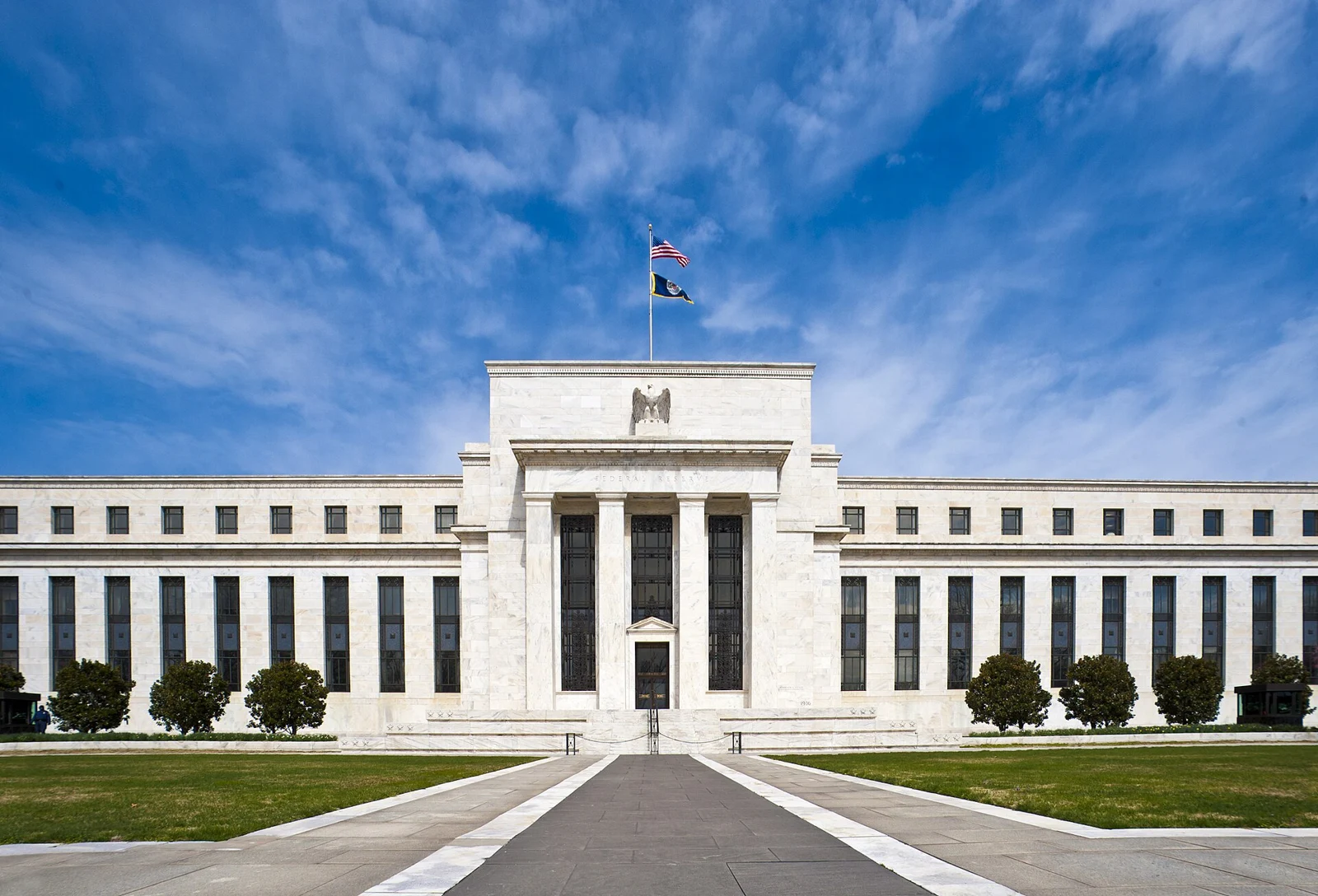
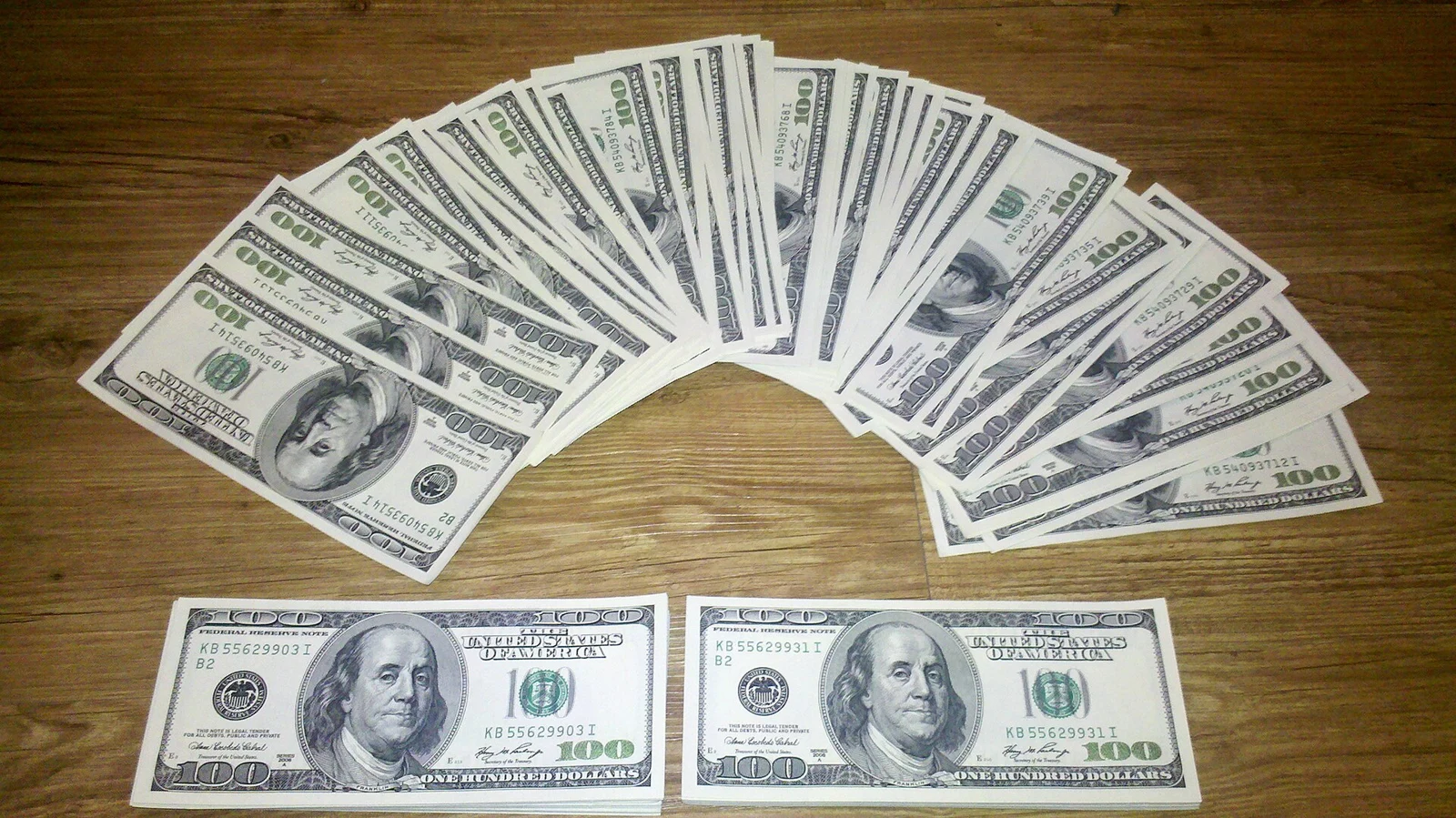
For each financing scenario, record the currency, principal schedule, fixed or floating rate, reset date, fees and payment frequency. For the fleet, record miner quantity, measured power, uptime and a dated revenue assumption. Use the same operating boundary across cash-funded and borrowed-funded cases. A simple comparison can then isolate which change came from interest and which came from electricity or mining receipts. The two archival photos identify the Federal Reserve building and currency context; neither is a photograph of the September meeting or evidence of an individual borrower’s contract.
What to update after the announcement
Update a budget when there is new evidence relevant to its own contract: a lender quote, a scheduled reset, a revised payment statement or changed power terms. Keep the September 16 policy decision as a dated background event. The ASIC.tools calculator is an operating scenario, so debt payments should remain in a separate cash-flow schedule. This preserves the distinction between hardware choice and funding structure. For a new mining purchase, compare alternatives with consistent assumptions rather than infer an automatic shutdown threshold from the central-bank target. Nothing in the statement changes the specific ASIC specifications in our catalogue.
Source: Federal Reserve ↗
Mining calculator ↗