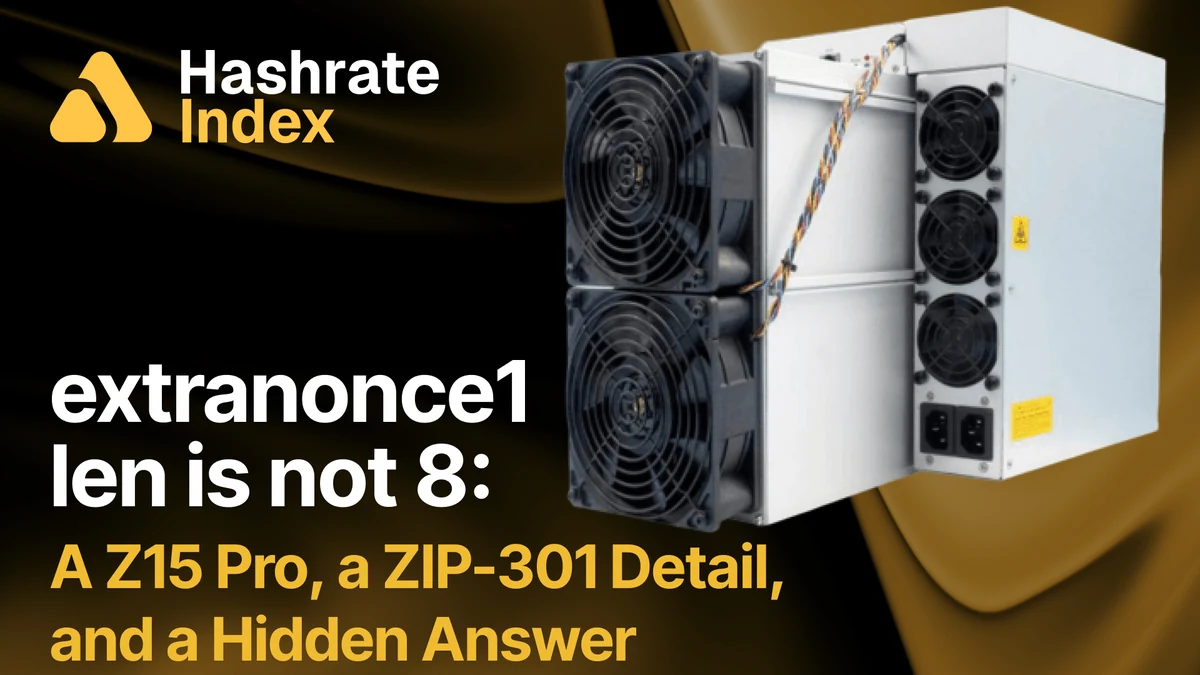
Z15 Pro: a connection issue traced to Stratum
Source report: 2026-06-23 · Editorial analysis published: 2026-09-10
The technical case examines an extranonce mismatch during pool connection, showing why protocol settings belong in ASIC troubleshooting.
Analysis and practical implications
This section is our analysis and illustrative calculations, separate from the source report.
A healthy miner can still fail to connect productively
A machine can pass a local hardware check and still fail to begin useful work with a pool. The connection involves more than an address and a port: the device and pool must agree on the protocol details used to construct and submit work.
That makes logs important. A repeated protocol message can contain a more useful clue than the front-panel status light. Preserve the exact error text and the surrounding sequence so that the pool or equipment supplier can evaluate the interaction.
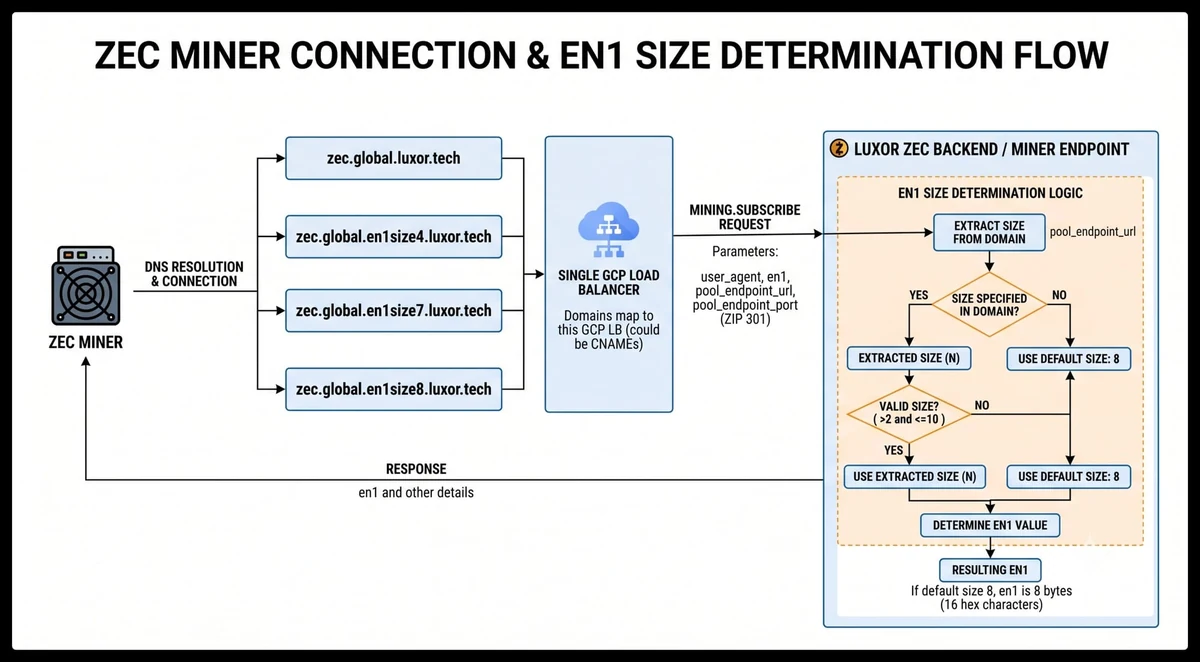
Separate network reachability from protocol compatibility
Being able to reach a server does not prove that the mining session is configured correctly. A connection can open while the application-level exchange fails. Conversely, a correct protocol configuration cannot compensate for an unavailable network path.
Work through those layers separately. Record whether the device reaches the endpoint, whether the session is accepted and whether submitted work is credited. This prevents a protocol issue from being repeatedly treated as a generic internet problem.
Change one variable and preserve the evidence
When testing a correction, keep the original endpoint and settings documented. Change one relevant variable at a time where practical, then compare the resulting log and accepted work. Changing multiple unrelated settings can hide the actual cause even if the machine begins operating.
For a fleet, test the correction on the affected model and firmware combination before applying it more widely. Similar symptoms can have different causes on different devices. An exact configuration record makes it easier to identify which machines need the change.
Verify the result at the pool
A successful local connection message is not the final acceptance criterion. Confirm that the pool reports useful accepted work over a representative interval. Check that the intended account receives the credit and that the device does not repeatedly reconnect.
The broader lesson from a technical connection case is to include protocol configuration in the troubleshooting process. Hardware, networking and pool behavior are parts of one operating chain. Clear logs and a controlled test usually provide more useful evidence than replacing components before the interaction has been understood.
Source: Hashrate Index / Luxor ↗
Mining calculator ↗