DxPool sets September 24 shutdown for its Monero mining pool
Source report: 2026-09-22 · Editorial analysis published: 2026-09-22
DxPool's official September 10 notice says XMR pool mining stops September 24 UTC. Users are told to switch pools and withdraw balances; the withdrawal cutoff remains unannounced.
Analysis and practical implications
This section is our analysis and illustrative calculations, separate from the source report.
The deadline and what is known
DxPool's official XMR Pool Delisting Notice, updated September 10, says it will shut down its Monero mining pool on September 24, 2026, in UTC. After that date, XMR mining through DxPool will stop. The company instructs users to switch their XMR miners to another pool before September 24 and withdraw remaining XMR balances as soon as possible. The notice does not give an exact hour or a reason for the closure. It also says the date when XMR withdrawals close has not yet been announced. Reporting an invented withdrawal deadline or a motive would mislead miners who have to plan account changes.
Mining endpoint and balance are separate
A pool's stratum endpoint receives candidate shares from workers, while its account system records rewards and handles payouts. Closing the mining endpoint does not automatically mean every unpaid balance disappears at that moment. Conversely, the absence of a withdrawal cutoff does not make it sensible to postpone the transfer: DxPool explicitly advises prompt withdrawal and promises a separate notice for the closure date. Operators should record their unpaid and withdrawable balances, payout method and transaction history before switching. Keep evidence of the balance and any support correspondence until the transfer is confirmed in the receiving wallet.
How to move a miner safely
Before the cutoff, identify the actual XMR worker configuration in the mining software or controller. Obtain the replacement pool's stratum address, port, payout rules, minimum payout and fees from that pool's official documentation. Enter the correct Monero wallet address, then make sure the worker appears online on the new pool and submits accepted shares. A dashboard showing a connected worker is less useful than accepted-share history over a reasonable test period. Plan the switch with enough time to detect a typo or network block; waiting until the final hour could create avoidable downtime because DxPool has not specified the exact shutoff time.
Monero is not an ASIC shopping signal
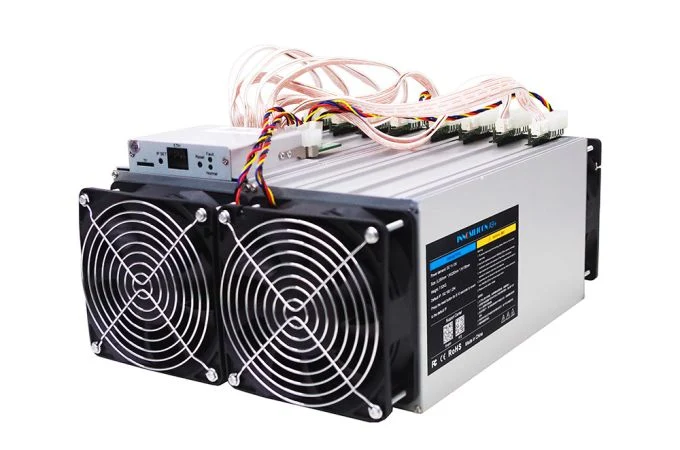
Monero uses the RandomX proof-of-work algorithm, designed to favor general-purpose processors. The Monero project's own mining guidance describes CPU mining as the more efficient mainstream route and calls the algorithm ASIC resistant. Therefore this notice is about pool service for XMR miners, not an announcement of a new XMR ASIC model. A SHA-256 Bitcoin ASIC cannot be redirected to a Monero pool simply by changing a URL. Even when equipment can mine multiple coins sharing an algorithm, the wallet, pool and payout settings must be checked separately. Users should match the device's actual algorithm rather than assume all 'miners' are interchangeable.
Withdrawal checks before and after switching
Open DxPool through its official site and inspect the XMR balance and withdrawal interface. Verify that the destination wallet accepts Monero on the correct network and that any exchange deposit service is currently available. Copy the destination address carefully, complete the account's security checks and retain the transaction identifier. A pool balance marked earned may be subject to a payout threshold or settlement lag, so do not confuse it with a completed on-chain transfer. If the displayed amount and the receiving-wallet credit do not reconcile, consult the pool's transaction record and official support before repeating a request.
What the notice does not say
DxPool's short announcement neither alleges a problem with Monero's network nor says all of DxPool's other mining pools are closing. It does not state that an operator must sell equipment, accept a particular replacement pool or use a named wallet. We have not inferred hashrate, market share or revenue effects from the closure without measured data. A pool exit can redistribute hash work among surviving services, but the size and timing depend on miners' actual choices. The separate withdrawal-end announcement is still pending according to the notice; users should monitor the official help center for it.
Operational checklist for a farm
A farm manager can avoid silent downtime by listing every XMR worker, its controller, current pool priority, wallet and expected accepted-share rate. Update the primary endpoint, confirm DNS and outbound connectivity, and consider a working failover pool if the mining software supports one. Capture the last DxPool share timestamp and the first accepted share at the replacement pool. That gap measures migration downtime more honestly than a device's green power LED. After settlement, compare the old pool's closing account report with the new pool's opening report, allowing for different payout methods and minimum thresholds.
What to watch on September 24
The important verified dates are the notice's September 10 update and its September 24 UTC pool shutdown. As of this article's September 22 publication, DxPool has not supplied the XMR withdrawal cutoff date in that notice. Watch for a later official announcement and avoid relying on screenshots without a date. If an operator cannot change settings immediately, at least confirm account access, secure the wallet address and document the existing balance now. This story concerns the approaching end of one pool's XMR service; it is not a claim about the profitability of Monero mining or the availability of every other pool.
Source: DxPool ↗
Mining calculator ↗