DataBank buys the building that houses its MSP2 data center near Minneapolis
Source report: 2026-10-01 · Editorial analysis published: 2026-10-02
The operator converted the previously leased Eagan facility into owned real estate to gain long-term control; the purchase price, capacity changes and expansion budget were not disclosed.
Analysis and practical implications
This section is our analysis and illustrative calculations, separate from the source report.
DataBank acquired the real estate under MSP2
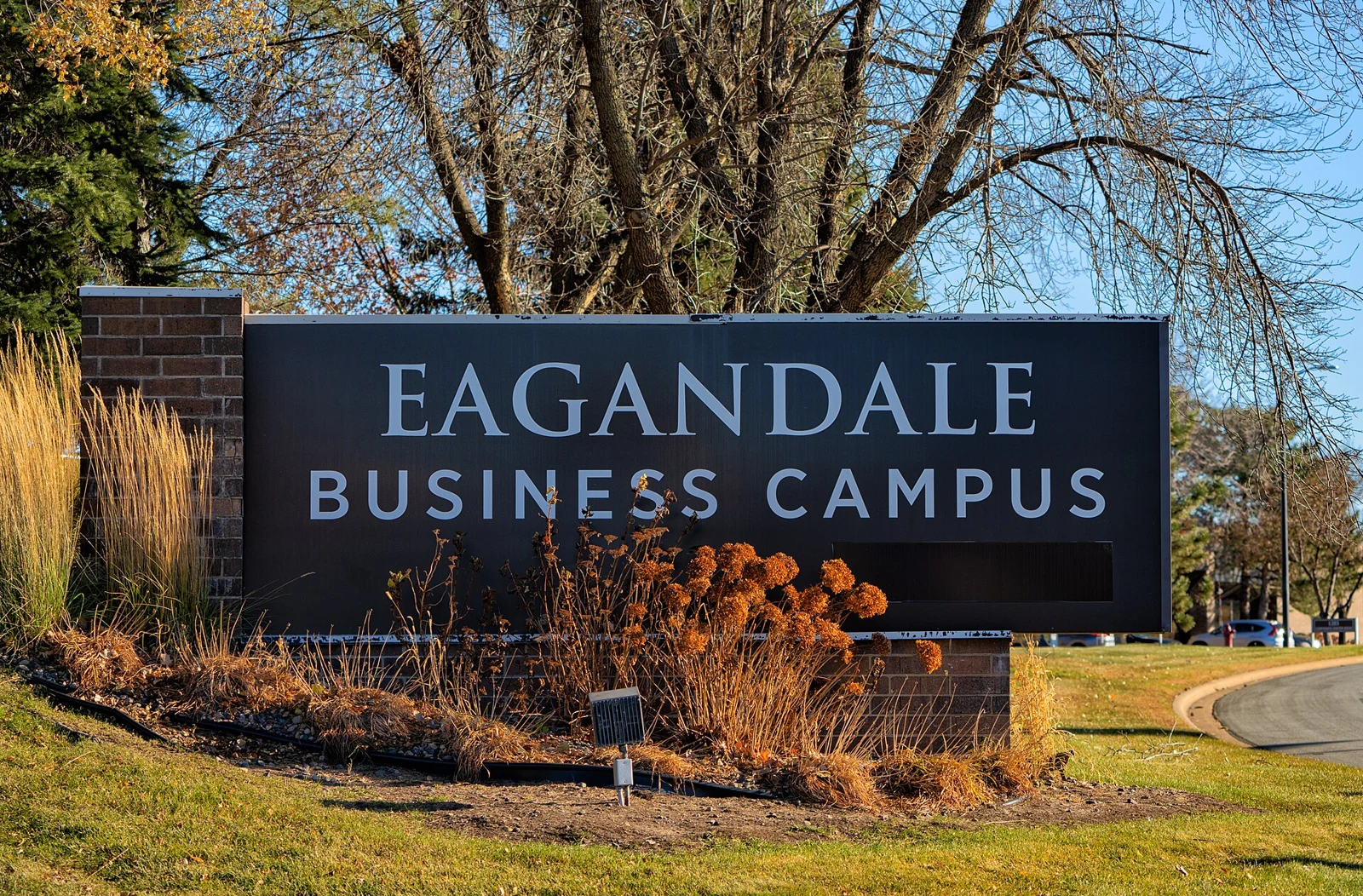
DataBank announced on October 1 that it acquired the building housing its MSP2 data center in the Minneapolis–Saint Paul area. The facility at 3255 Neil Armstrong Boulevard in Eagan, Minnesota had previously been leased. The announcement concerns ownership of an existing building. It is not a new data-center opening, a new ASIC deployment or evidence that additional megawatts became available on the transaction date.

The company is converting leased sites into owned assets
DataBank describes the purchase as part of a strategy to own and control the real estate beneath selected facilities. Ownership can give an operator more discretion over long-term capital work, building systems and redevelopment than a lease with negotiated restrictions. It also moves property exposure onto the owner’s balance sheet. The release does not disclose the purchase price, financing, seller, capitalization rate or how the transaction changes annual occupancy expense.
Operational control is the central rationale
The company says ownership supports greater operational control, long-term infrastructure investment and assurance for customers. For a data center, physical control can matter when replacing power and cooling equipment or negotiating access and expansion. Yet owning the shell does not automatically add utility capacity, improve redundancy or reduce customer prices. Those outcomes require separate projects and measurable operating results, none of which were announced with the acquisition.
MSP2 remains an operating facility in Eagan
The release identifies the acquired property as the home of the existing MSP2 facility serving the greater Minneapolis–Saint Paul market. Customers therefore should read this as a landlord-to-owner change for the building around an operating site. The announcement does not say that customer contracts, network routes or service-level agreements changed. It also provides no new figure for critical load, floor area, occupancy, power-usage effectiveness or available capacity.
Property ownership can support longer investment horizons
Large electrical and cooling upgrades may have useful lives longer than a short lease term. Owning a building can better align those investments with the period in which the operator expects to use them and can reduce renewal uncertainty. The tradeoff is capital concentration and responsibility for the physical asset. Without the transaction value and planned upgrades, readers cannot calculate a return or conclude that ownership is financially superior to leasing in this specific case.
The deal reflects the value of controlled infrastructure
Demand for powered sites has made land, substations, permits and suitable buildings strategic assets for both AI and mining operators. Acquiring the property under an existing operation can protect control of a location that already has connectivity and infrastructure. It does not, however, bypass constraints outside the parcel such as utility generation, transmission or municipal rules. DataBank’s brief announcement does not state whether MSP2 has expansion rights or reserved additional utility service.
Mining operators face a similar lease-versus-own decision
ASIC farms often begin in hosted or leased buildings to deploy quickly, then consider ownership when fleet size and power agreements justify permanent investment. The choice should include lease duration, purchase price, tax, insurance, remediation, utility contract portability, expansion rights and the residual value of site improvements. A mining company should not infer that buying always lowers cost; flexibility can be valuable when machine efficiency, network economics or local electricity conditions change.
What is known and what to watch next
Confirmed facts are the acquisition of the Eagan building, its MSP2 use and the change from leased to owned real estate. The press release omits price, financing, seller, current capacity and any expansion plan. The next material evidence would be county property records, financial disclosures, announced capital projects, utility filings, new capacity marketed to customers and measured reliability after upgrades. Until then, the transaction mainly strengthens DataBank’s control of an existing operating location.
Source: DataBank ↗
Mining calculator ↗