Core Lightning 26.06.9 fixes payment-node security and traffic delays
Source report: 2026-10-07 · Editorial analysis published: 2026-10-09
The October 7 release repairs the 26.06.8 gossip regression, strengthens channel and API safeguards, and adds signed ARM builds. Maintainers recommend upgrading promptly.
Analysis and practical implications
This section is our analysis and illustrative calculations, separate from the source report.
A released update for the payment layer
Core Lightning published version 26.06.9 on GitHub on October 7, 2026. Its tagged changelog is dated October 6. Maintainers recommend installing this point release promptly; it includes security fixes and repairs a message-processing regression introduced in 26.06.8. This is payment-node software, not ASIC firmware or a Bitcoin consensus change. The distinction matters to a mining business that runs a Lightning service alongside its hashpower: updating the payment server does not change the miner’s hashrate, power setting or block reward.
ASIC.tools checked the release and versioned changelog directly. The practical analysis below concerns operating a node and its surrounding services, rather than promising an increase in mining revenue. A farm that receives only ordinary on-chain payouts may have no Core Lightning deployment to update. A company accepting Lightning payments for hosting, heat or services should identify the actual implementation and version first, because similarly named Bitcoin products have separate release schedules and migration procedures.
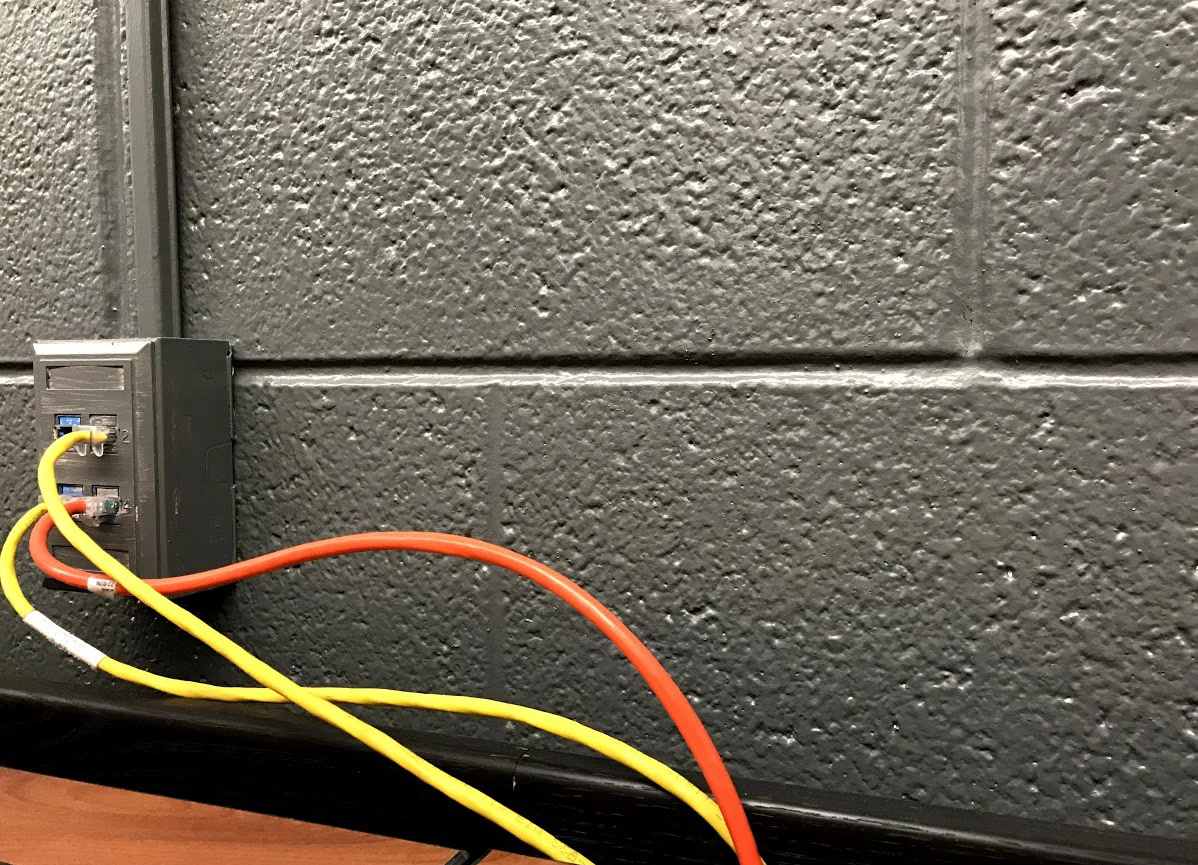
Why busy nodes could delay messages
The release describes a correction to the gossip CPU budget: ordinary gossip traffic, pings and onion messages no longer consume the allowance intended for gossip queries. In 26.06.8, a busy node could throttle peers and delay channel traffic. The documented regression therefore concerns workload handling in that version, rather than evidence that all Lightning payments were broken or that Bitcoin blocks stopped arriving. The update targets that particular accounting error while retaining a budget for the queries it was meant to control.
For operators, a useful distinction is between an application timeout and a failed payment. If a checkout waits longer than expected, retrying blindly can create a confusing sequence of invoices, outstanding attempts and accounting records. A better operational check links the payment identifier, invoice state and final settlement before treating a timeout as a new sale. After an upgrade, compare the same workload and observation interval: occasional fast responses alone do not prove that the busiest periods are now handled correctly.
Channel shutdown and payment deadlines
The tagged changelog also repairs handling of an offered HTLC reaching its deadline during channel shutdown: the node now force-closes the channel in that situation to protect forwarded funds from a late fulfillment. An HTLC is a conditional payment contract, not an ASIC share submitted to a mining pool. The software correction concerns a boundary between off-chain channel operation and on-chain enforcement. It should not be reported as a guaranteed recovery of money already lost, or as a claim that every closed channel was vulnerable.
An operator’s accounting has to reflect both layers. Channel liquidity is not identical to a confirmed spendable on-chain balance, and a closing transaction can introduce transaction fees and waiting periods. For a mining-hosting service, that distinction affects the working balance available for electricity and customer refunds. The sensible operational response is to reconcile channel state and settlement records with the application’s ledger, rather than inferring solvency from a single dashboard number or a successful test payment.
API permissions deserve a separate review
The release tightens rune-based API authorization and masks several sensitive configuration values. The changelog also closes a persistent-configuration injection path and checks method aliases against the relevant restrictions. These are server administration changes; a rune in this context is an authorization credential, not a cryptocurrency token. Operators should read the named method changes against their own integrations, especially where a monitoring or billing service uses a deliberately restricted credential.
Independent of this particular patch, a billing service does not usually need the same privileges as a human administrator. Splitting read-only monitoring from payment execution and configuration changes makes an integration easier to audit. The upgrade is an opportunity to check which process holds each credential, where it is stored and how it is revoked. A healthy monitoring screen should demonstrate that the required calls still work with the intended limits; it should not depend on quietly replacing a restricted credential with unrestricted access.
Signed binaries arrive for more architectures
The release adds reproducible arm64 and armv7 binaries for Ubuntu 22.04, 24.04 and 26.04 alongside amd64. Each architecture has its own signed checksum manifest. The published verification procedure checks the manifest signature and then the file checksums. The architecture-specific files are important: an ARM device and an x86 server cannot simply exchange binaries because both run Linux. Operators also need the package matching their distribution and deployment method, rather than selecting only the newest-looking download.
A checksum answers whether the downloaded bytes match a manifest; a verified signature connects that manifest with the signing key you have chosen to trust. Both checks have a purpose. Saving the exact artifact name, version and validation result makes later troubleshooting more precise than writing “updated to latest.” This is particularly useful when several machines were installed at different times, or when a container image and a host package have separate update mechanisms and might actually contain different versions.
Database compatibility constrains rollback
Maintainers warn that nodes which have run development master builds cannot downgrade to a 26.06.x release because of a newer database schema. They also retain cautions around experimental dual funding and zero-confirmation channels with untrusted peers. This does not mean the public point release itself is a development snapshot. It means the upgrade path depends on the node’s history, so a working binary alone cannot establish whether opening an existing data directory is compatible.
As an operational principle, record the starting version, package source, enabled plugins and storage layout before changing software. Backups must follow the application’s own consistency and recovery guidance; copying arbitrary live database files is not automatically a valid recovery plan. Likewise, restoring an old channel state is not equivalent to restoring a static website. Treat the ability to roll back the operating system separately from the ability to roll back payment state, and test maintenance procedures on a suitable non-production setup.
A useful acceptance check after maintenance
Our suggested acceptance check focuses on the service the node actually provides. Confirm that it reaches its Bitcoin backend, reconnects to expected peers and exposes only the intended management interfaces. Then verify a controlled invoice and its final state through the same application that customers use. Watch error logs, outstanding payments and reconciliation results over a representative busy interval. These are practical checks for your deployment, not performance figures measured by Core Lightning or a promise that every third-party plugin is compatible.
For a farm, keep payment availability and mining availability as different indicators. A delayed customer invoice can require attention while the ASIC fleet continues hashing normally; conversely, successful payments tell you nothing about a failing cooling pump or rejected shares. Reporting the two separately helps staff diagnose the right system and avoids blaming an ASIC firmware version for a payment-node issue. It also gives customers a clearer explanation when a maintenance window affects a payment service but leaves their hosted mining equipment operating.
What the announcement does and does not establish
The update is available, but maintainers have temporarily withheld security tests to give operators time to install the fixes. That publication choice is not evidence of an unpublished future release or a reason to wait for exploit demonstrations. Follow the official release notes for installation and compatibility decisions. The release’s descriptive nickname is not, by itself, proof that Bitcoin mining or every Lightning transaction has acquired a new quantum-security guarantee; technical behavior must be established from the implementation and documentation.
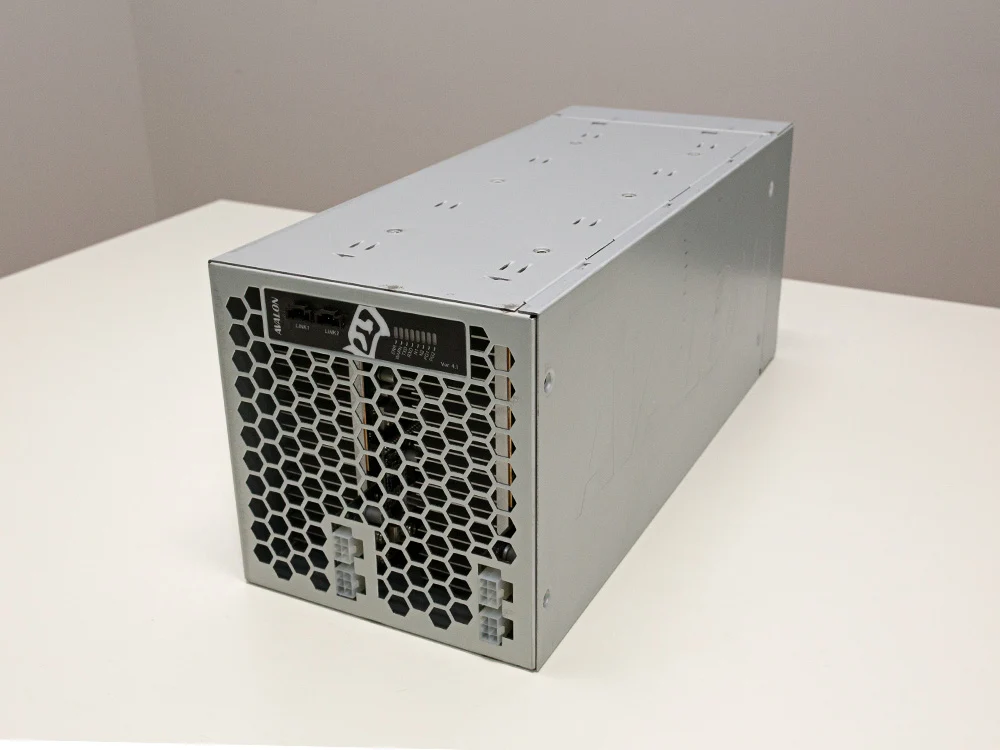
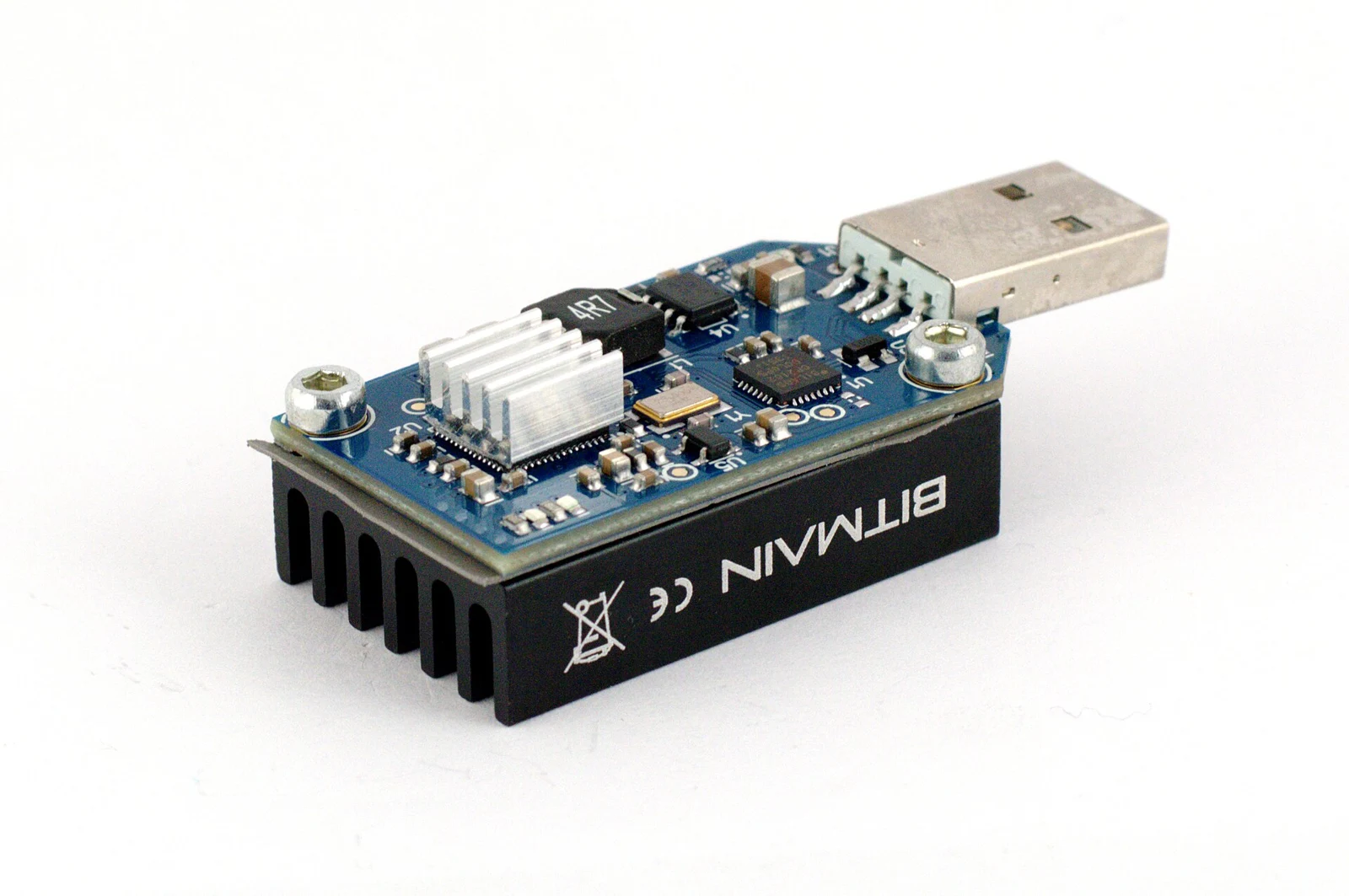
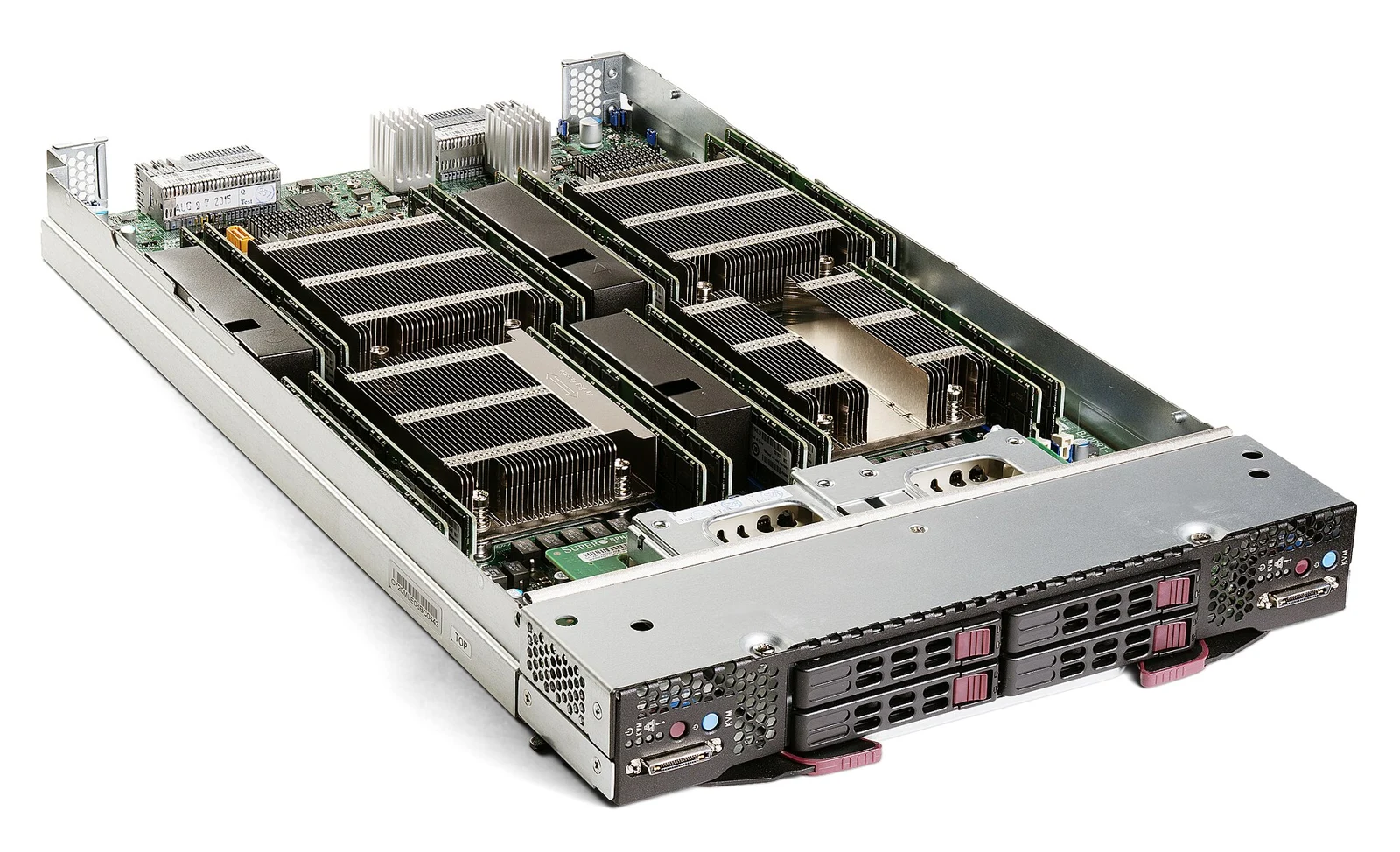
This article uses distinct licensed archival photographs of computing and network equipment. They illustrate the operating environment and do not depict the release team or a compromised installation. ASIC.tools will treat later point releases as separate events when their changelogs and publication dates are confirmed. For this release, the immediate decision is concrete: identify whether your service runs Core Lightning, review the documented changes and choose a compatible maintenance path with verified installation artifacts.
Source: Core Lightning ↗ · Versioned 26.06.9 changelog ↗
Mining calculator ↗