Cipher starts gas pipeline development for up to 2.5 GW
Source report: 2026-09-03 · Editorial analysis published: 2026-09-14
Lateral pipelines are intended to supply future generation across several data center sites. The capacity is planned, not already operating.
Analysis and practical implications
This section is our analysis and illustrative calculations, separate from the source report.
What Cipher has started
Cipher Digital announced on September 3 that it had begun developing lateral pipelines connecting several sites with nearby natural gas supplies. The company says the gas could support up to 2.5 GW of on-site electricity generation. It plans to work with power providers on development and operation, targeting new power availability before the end of 2027. The release establishes the start of pipeline development; it does not establish that 2.5 GW of generators have already been commissioned.
The intended computing use
The stated purpose is additional industrial-scale data center capacity for HPC tenants. Cipher also says it plans to seek grid connection for the generation. That is an intention to pursue connection, not evidence of an approved or energized connection. The headline capacity spans multiple sites rather than one disclosed operating power station. For mining readers, the relevant development is the strategy for securing energy near computing infrastructure, not a newly announced order for 2.5 GW of Bitcoin ASICs.
Why a pipe is only one part of the system
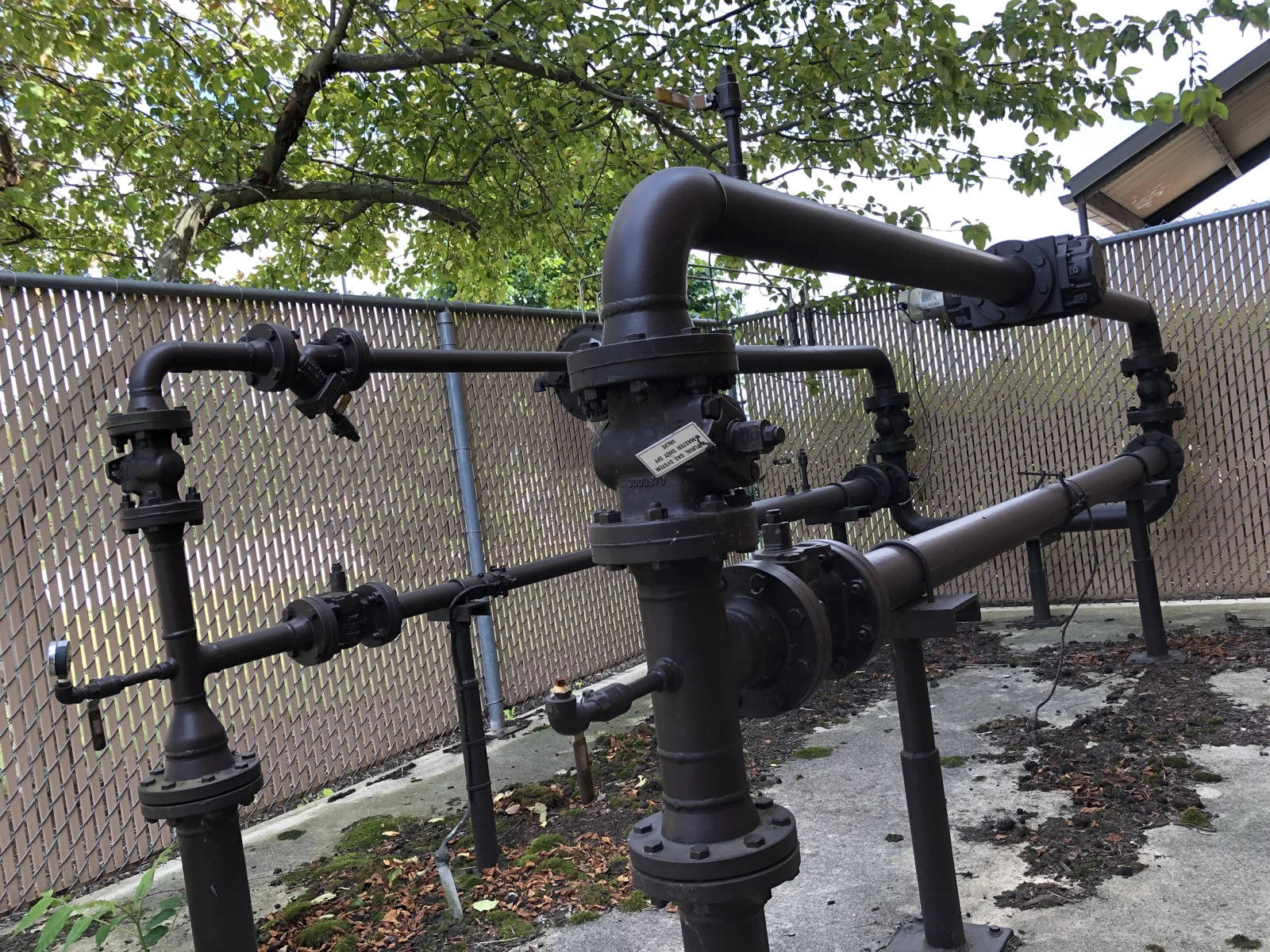
Editorial explanation: fuel delivery and electricity production are different stages. A lateral brings gas to a location; generating equipment must then turn that fuel into power, with its own installation, commissioning and operating requirements. Electrical distribution and the computing facility follow further downstream. Completion of one component cannot automatically be counted as completion of the whole chain. A project schedule should therefore track fuel access, generation and usable data center capacity as separate milestones.
How to read GW without inventing output
For unit conversion only, 2.5 GW equals 2,500 MW. If that hypothetical power ran at full output for one hour, it would represent 2,500 MWh of electricity. This is arithmetic, not Cipher’s production forecast: real energy output requires an operating period and actual utilization. Likewise, nameplate generating power is not automatically the same as critical IT load because supporting equipment has its own consumption. The article does not derive a server count or mining hashrate from the announced upper limit.
What an energy comparison needs
Operators comparing on-site generation with purchased electricity need consistent cost boundaries: fuel, generation maintenance, capital recovery, delivery, backup arrangements and availability assumptions. A cheap fuel quote alone is not a complete electricity price. These are editorial comparison criteria, not disclosed Cipher project costs. It is also useful to separate who owns the generating assets from who buys their output, because those arrangements determine different payment and reliability obligations. The release does not supply a complete project-level cost model.
Milestones that would change the assessment
Further announcements identifying construction progress, power-provider agreements, commissioning and actual energized capacity would make the project more measurable. The end-2027 target should remain a target until supported by completed milestones. The case is relevant to the wider competition for computing power supply: bringing fuel infrastructure closer to a site creates another development route, but still requires execution. The primary source is Cipher’s announcement; the unit example and project-reading framework are editorial explanations, not confirmation of delivered electricity.
Track each site and each stage separately
A project ledger can list a site, its stated power target, the reported development stage and the date of the supporting disclosure. Where a total spans several sites but allocations are not disclosed, keep the aggregate separate instead of inventing individual capacities. When one stage advances, update that stage without automatically advancing commissioning or customer delivery. This makes later comparisons more meaningful and avoids adding a portfolio total to its component projects as though they were different power sources. The method is useful for both generation projects and large mining developments.
Source: Cipher Digital ↗
Mining calculator ↗