Canaan mined 44 BTC in August and advances Canadian heat reuse
Source report: 2026-09-14 · Editorial analysis published: 2026-09-15
Canaan’s September 14 update reports 44 BTC mined in August, $0.043/kWh power costs and equipment installation at a Canadian greenhouse heat-recovery project.
Analysis and practical implications
This section is our analysis and illustrative calculations, separate from the source report.
What Canaan announced on September 14
Canaan published its unaudited August mining update on September 14, 2026. The company reported 44 BTC produced during the month and progress on a Canadian greenhouse project intended to recover heat from computing equipment. Machines have reached the site and installation is under way, according to management. Delivery and installation are identifiable milestones; they do not establish a full winter of operation, measured heat sales or the financial return of the project.

Installed hashrate requires a closer reading
The release lists 10.05 EH/s of installed non-JV capacity and 4.92 EH/s for joint ventures; the latter have 4.11 EH/s shown as operating. A crucial footnote says Ethiopian mining operations are paused even though their hashrate remains in installed capacity. Joint-venture figures are reported separately and excluded from the production and power-cost calculations. Consequently, dividing the headline BTC output by the sum of every hashrate column would mix reporting boundaries and would not measure fleet performance reliably.
What the electricity figure can tell a miner
Canaan quotes an average all-in power cost of $0.043/kWh. That is an electricity metric, not the total cost of producing a bitcoin. For an independent illustration, a device drawing a constant 3.5 kW consumes 84 kWh over 24 hours. At that tariff, electricity alone would cost $3.612 a day or $108.36 over 30 days. This example is not a Canaan machine specification or operating forecast; repairs, labor, equipment depreciation and financing remain outside the calculation.
Recoverable heat must meet a real demand
A miner turns most of its electrical input into heat, but useful heat is the portion delivered at the temperature and time a customer needs. An evaluation should measure electricity at the wall, heat reaching the greenhouse circuit, auxiliary consumption and heat rejected outdoors. Heat produced while the greenhouse needs no heating does not automatically earn revenue. Comparing useful heat with the site's previous heating system is more informative than counting every kilowatt consumed by the ASIC as a saleable thermal kilowatt.
Installation is the beginning of a seasonal test
For a greenhouse, a practical commissioning record should cover water or air temperatures, flow, controls, maintenance access and the response when mining stops. These are editorial assessment criteria, not specifications disclosed for Canaan’s installation. A backup heating arrangement matters because plant temperature requirements continue during a controller failure or a planned service window. A convincing future update would show a defined operating period, delivered thermal energy and the treatment of auxiliary electricity, with the measurement boundary stated clearly.
Treasury transactions are different from mining output
The same announcement describes sales of 3,952 ETH and 54 BTC yielding approximately $13.9 million, and $5.4 million spent repurchasing 13.6 million ADSs in late August. Month-end holdings are reported as 1,868 BTC. These are treasury and capital-allocation figures. Selling an existing coin creates a cash inflow without adding to coins mined that month, while a share repurchase is a separate use of funds. They should be recorded separately from the operating result when comparing mining businesses.
How to compare the next monthly update
A useful comparison will keep reporting dates, ownership boundaries and metric definitions unchanged. Record production, energized equipment, periods of curtailment or shutdown, measured consumption and the share of revenue retained under hosting or joint-mining arrangements. Check whether a change represents new machines, restored operation or a different reporting perimeter before attributing it to better ASIC efficiency. For heat reuse, track commissioning evidence independently from the mining fleet: a completed delivery is not the same event as an operating thermal system. A useful operating record should also retain meter readings and maintenance intervals, so a later comparison can reproduce the same assumptions instead of relying on a headline alone.
Source, date and the scope of this analysis
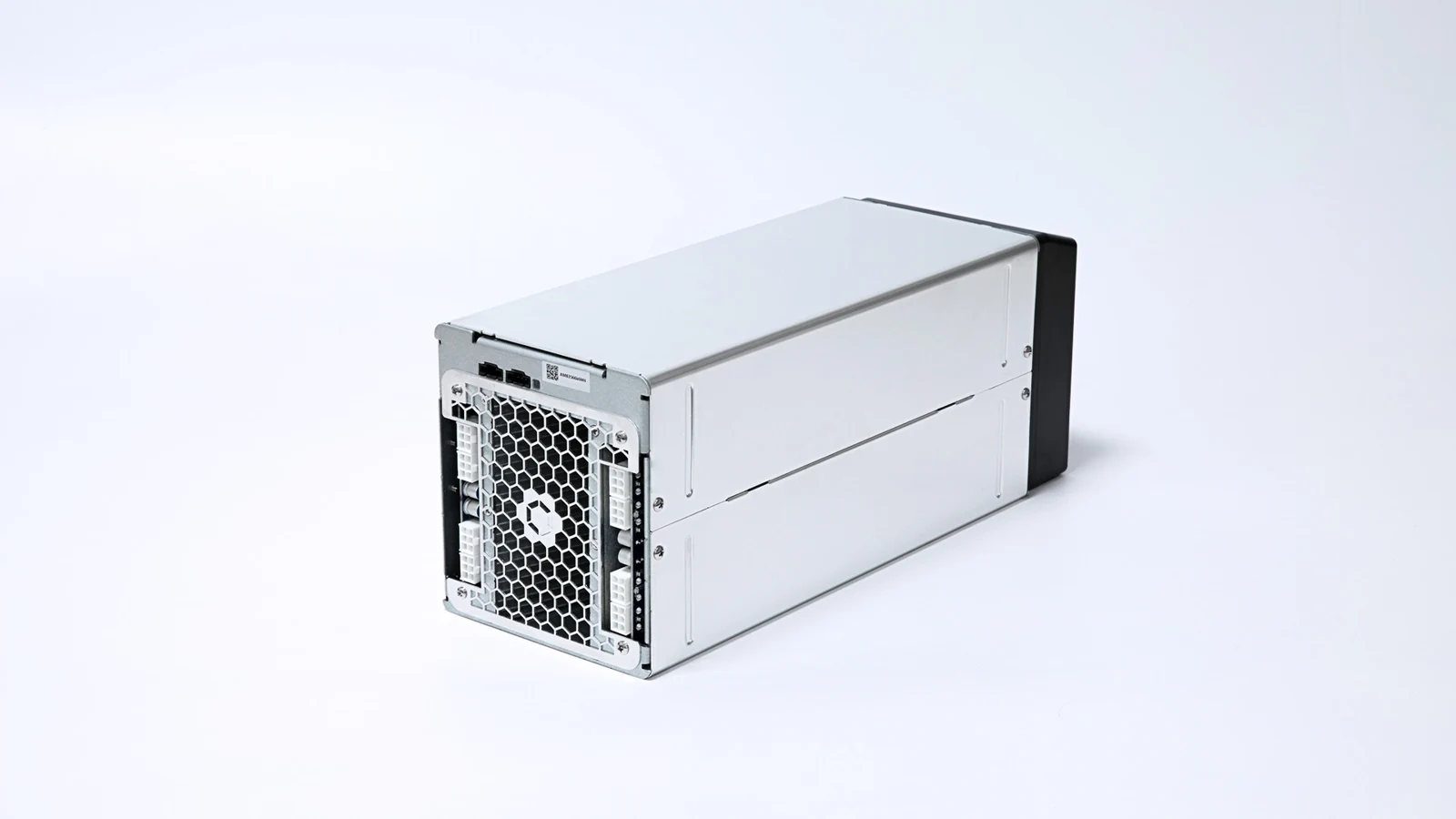
The news is based on Canaan’s September 14 company release about August operations, rather than on a new ASIC launch or real-time network measurements. The figures are unaudited and attributed to the company. The electricity example and the proposed measurement checklist are ASIC.tools analysis; neither is a promised financial outcome. Photos show archival hardware and greenhouse context, not the installation described in the release. Further reporting should look for commissioning results and metered heat delivery before assigning the project a demonstrated economic benefit.
Source: Canaan / PR Newswire ↗
Mining calculator ↗