Bitcoin block 970904 carries a Braiins Solo tag and 3.12898650 BTC reward
Source report: 2026-10-11 · Editorial analysis published: 2026-10-12
Block 970904, timestamped October 11 at 09:58:22 UTC, contains a Braiins Solo coinbase tag and 3.12898650 BTC in outputs. We verified the block and transaction directly; the miner’s device and hashrate are unknown, and two paid outputs do not prove two miners.
Analysis and practical implications
This section is our analysis and illustrative calculations, separate from the source report.
The October 11 block can be checked directly
Bitcoin block 970904 has a header timestamp of October 11, 2026, at 09:58:22 UTC, equivalent to 12:58:22 in Kyiv. Its coinbase input contains the text /braiinssolo/. We retrieved the block and its first transaction from the public mempool.space API and cross-checked the block with Blockstream. This is a report about a specific new chain event, not a recycled story about another successful solo block. The full block hash is retained in the source reference so readers can reproduce the comparison.
The tag provides a basis for identifying the apparent mining service, but a readable tag is not cryptographic proof of a person’s identity. It is part of the transaction data supplied by the block creator. The evidence confirms the height, header data, coinbase contents and amounts. It does not expose the owner’s equipment, electricity bill or purchase of hashpower. We therefore describe the block as carrying a Braiins Solo tag rather than claim that an identified home miner won with a particular small device.
Subsidy and transaction fees are separate amounts
The coinbase outputs total 312,898,650 satoshis, or 3.12898650 BTC. At this block height the subsidy is 312,500,000 satoshis, equivalent to 3.125 BTC. The difference is 398,650 satoshis, or 0.00398650 BTC, in transaction fees included in the block reward. Keeping eight decimal places avoids turning a rounded headline into a different ledger value. The block contains 844 transactions, including its coinbase transaction, rather than 844 independently identified miners or reward recipients.
The subsidy is the scheduled issuance component; fees reflect the transactions in this particular block. A later block can have different fees without any change in the miner’s advertised hashrate. Our subtraction is an independent reconciliation of public chain amounts, not a statement of dollar revenue. No sale price or conversion into fiat currency is disclosed by the transaction. A contemporary market quote would create a valuation estimate, not show what the recipient actually received in a completed sale.
Two paid outputs are not evidence of two mining winners
The first nonzero output is 311,334,157 satoshis, or 3.11334157 BTC. The second is 1,564,493 satoshis, or 0.01564493 BTC. A third output has zero value and is a witness commitment; it is not an additional paid miner. The two monetary outputs sum exactly to the reported coinbase total. This structure is compatible with splitting a payout and a service amount, but the transaction alone does not establish the legal ownership or purpose of either address.
The smaller amount is approximately 0.5% of the total by our arithmetic. That numerical ratio should not be promoted into a universal fee schedule or an independently confirmed contract with the finder. Nor should the presence of two addresses be reported as two people splitting a solo win. One person can control several addresses, and a service can receive a separate output. Address count, participant count and contractual entitlement answer different questions; the source provides only the transaction-level evidence.
A chain reward is not immediately a freely spendable balance
Bitcoin Core’s consensus source defines a coinbase maturity requirement of 100 blocks. An output created by a coinbase transaction therefore has a different spending condition from an ordinary incoming payment. A dashboard should distinguish a newly found reward from funds already eligible to be spent. This rule is measured in blocks, not a fixed wall-clock promise. We checked the definition in the project’s source code instead of presenting a countdown inferred from a news headline.
An operator reconciling a payout should also distinguish creation of the coinbase output, eligibility to spend, any later transfer and the terms of its service account. A confirmed transaction record does not by itself prove that a customer can withdraw through a particular interface at a stated moment. This report does not claim an unobserved customer settlement. The chain data supports the reward amounts, while ownership and service-account obligations require evidence outside the block.
The block does not reveal the winning machine’s size
Neither the block header nor the reviewed coinbase transaction identifies a particular Antminer, WhatsMiner, Bitaxe or other ASIC model. They also do not report the finder’s hashrate. Describing the event as proof that a tiny home miner beat a known fleet would introduce hardware information absent from the sources. The same limitation applies to energy efficiency: a successful block cannot establish the joules per terahash of the equipment that contributed to finding it.
For a farm owner, the useful records are actual submitted work, accepted shares, uptime and the arrangement used to direct that work. A publicly visible reward is an outcome, not a measurement of the underlying machine. Purchased hashpower and locally operated hardware can involve different counterparties and accounting boundaries. We have not established which arrangement produced this result, so neither a device recommendation nor a miner-catalogue update follows from this block alone.
One successful result is not a profitability forecast
Solo-style outcomes are irregular, and a reported win should not be treated as a daily income rate for an unknown hashrate. Dividing this reward by a guessed operating period would produce a number without an observed denominator. Any probability calculation also needs defined hashpower and network conditions; the current evidence does not supply the finder’s hashpower. We therefore avoid invented daily odds, an assumed waiting time or a payback period for an unidentified device.
An accounting model should retain electricity costs, equipment purchase, maintenance and any service payments separately from the reward. A block may bring substantial BTC to an address while leaving those costs undisclosed. Unknown costs must not be entered as zero merely because the output can be read on an explorer. Readers can compare the precise reward with their own documented scenario, but should not copy the outcome into a calculator as a guaranteed return from solo mining.
Reproducing the verification and preserving the limits
The verification starts with the full hash in the primary source, checks the height and timestamp, and reads the coinbase input and all outputs. The sum must use integer satoshis so decimal rounding does not create a mismatch. We compared the block metadata returned by two public explorers and retained the original JSON responses. This makes the report independently checkable without requiring the publisher to disclose an unknown wallet owner or privately identify a mining customer.
The explorer’s header timestamp is the recorded chain field, not an independently measured physical arrival time at every node. Likewise, a displayed pool label is an interpretation of available evidence rather than a signed statement from a customer. Those limits do not invalidate the verified reward; they identify what the evidence can actually answer. The event date remains October 11 even though this article is published in the October 12 morning edition.
What the new block adds to the mining record
The confirmed addition is a new block carrying the Braiins Solo tag, with exact subsidy, fee and output amounts. Our report corrects the tempting inference that two paid outputs mean two miners. It also keeps the unknown hashrate, equipment and spending or sale arrangements explicit. This is useful for reading future solo-block reports: check the chain event first, then seek separate evidence for any claim about the winner or physical mining setup.
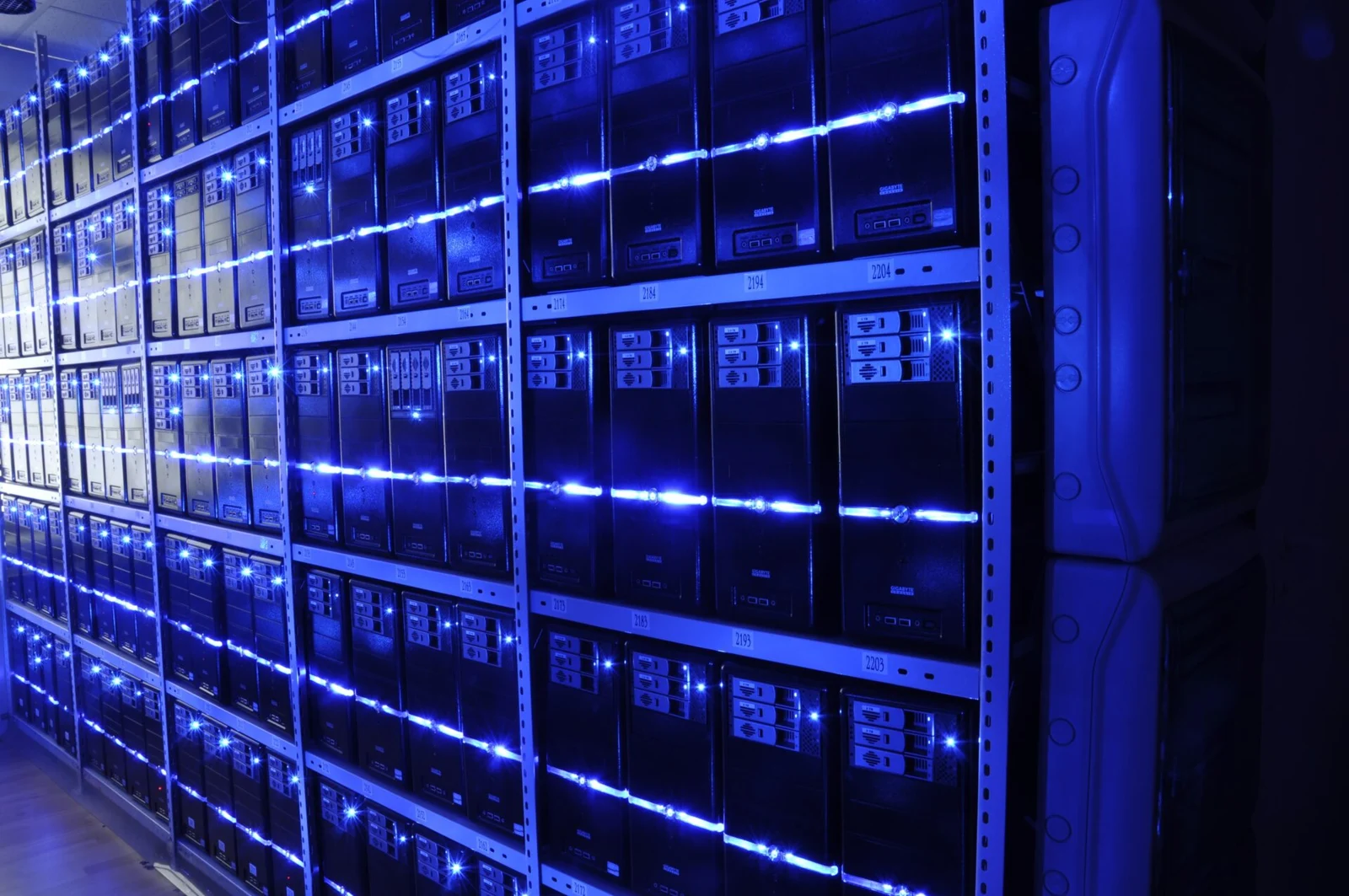
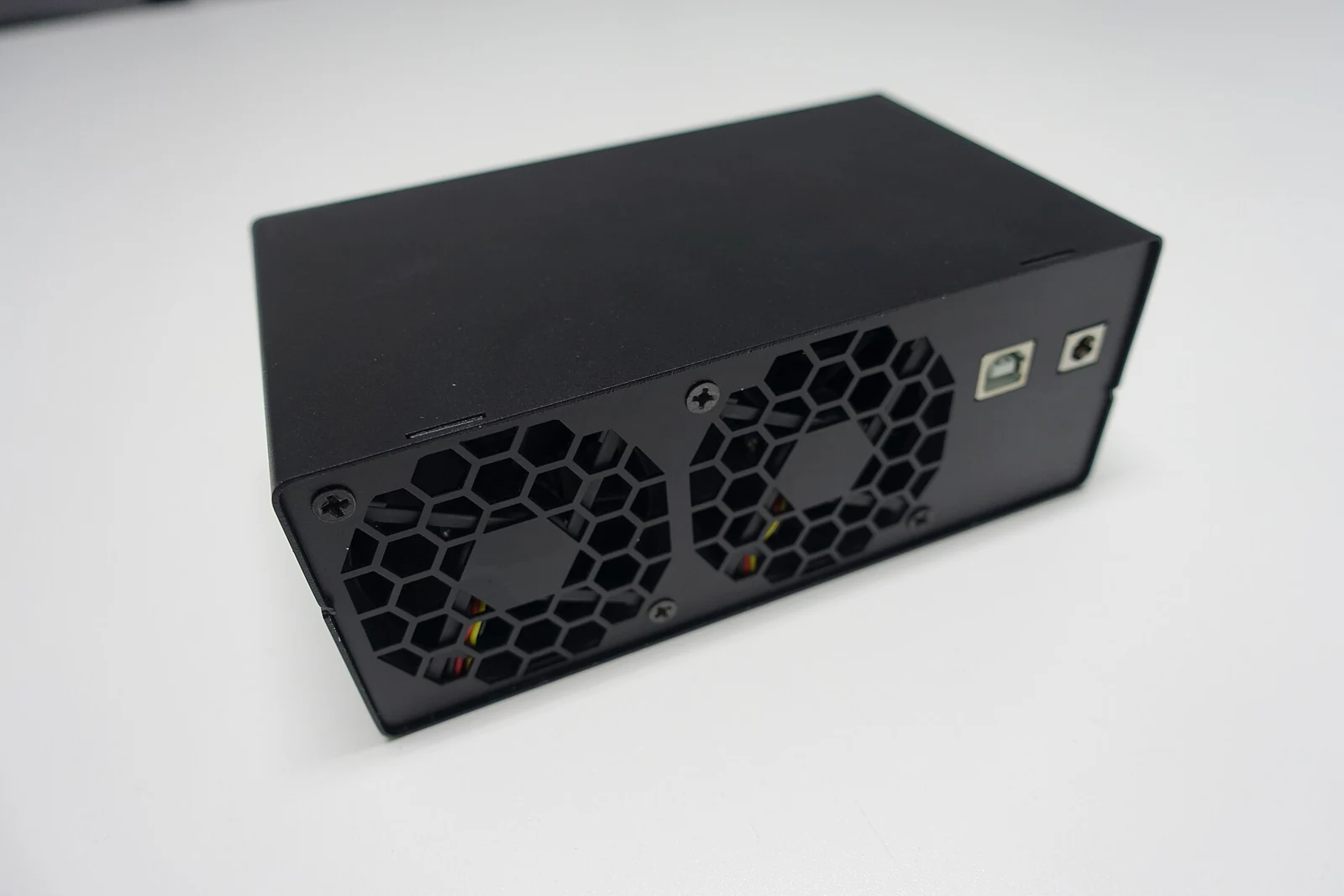
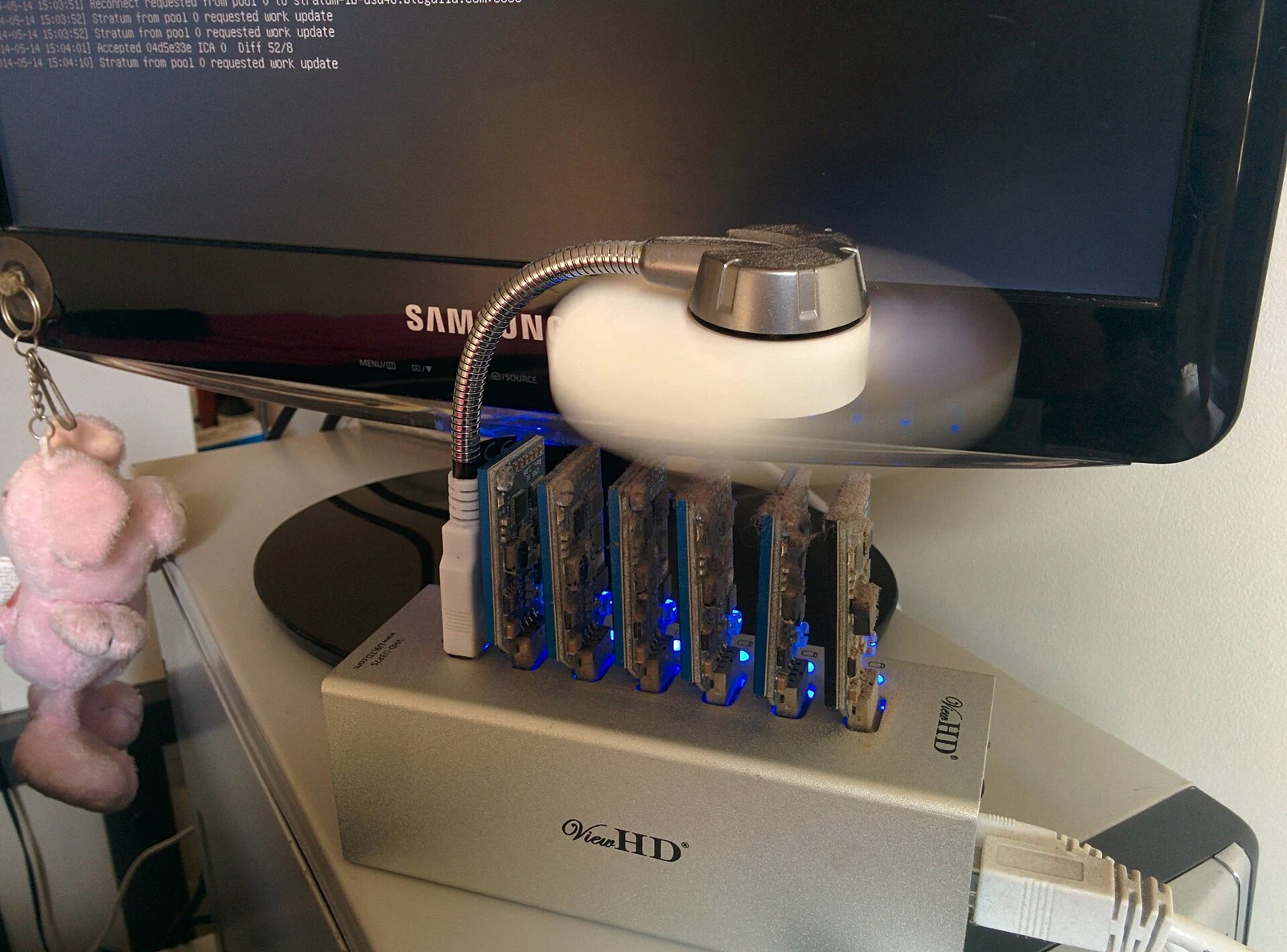
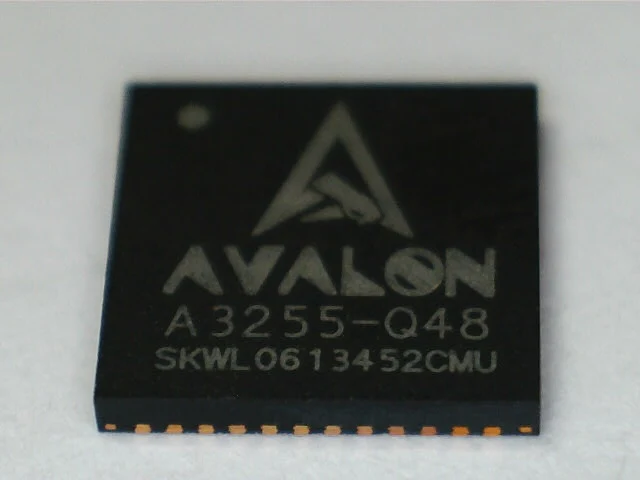
Two different licensed archival photographs provide context for Bitcoin and mining hardware. They are not photographs of the equipment that found block 970904, and no illustrated object is represented as the winner’s machine. Source links below lead to the original block data, coinbase response, independent metadata and the Bitcoin Core maturity definition. The photographs and narrative do not replace those records as evidence of the specific October 11 event.
Source: Bitcoin blockchain / mempool.space ↗ · Coinbase transaction and exact outputs ↗ · Independent block metadata ↗ · Bitcoin Core coinbase maturity definition ↗
Mining calculator ↗