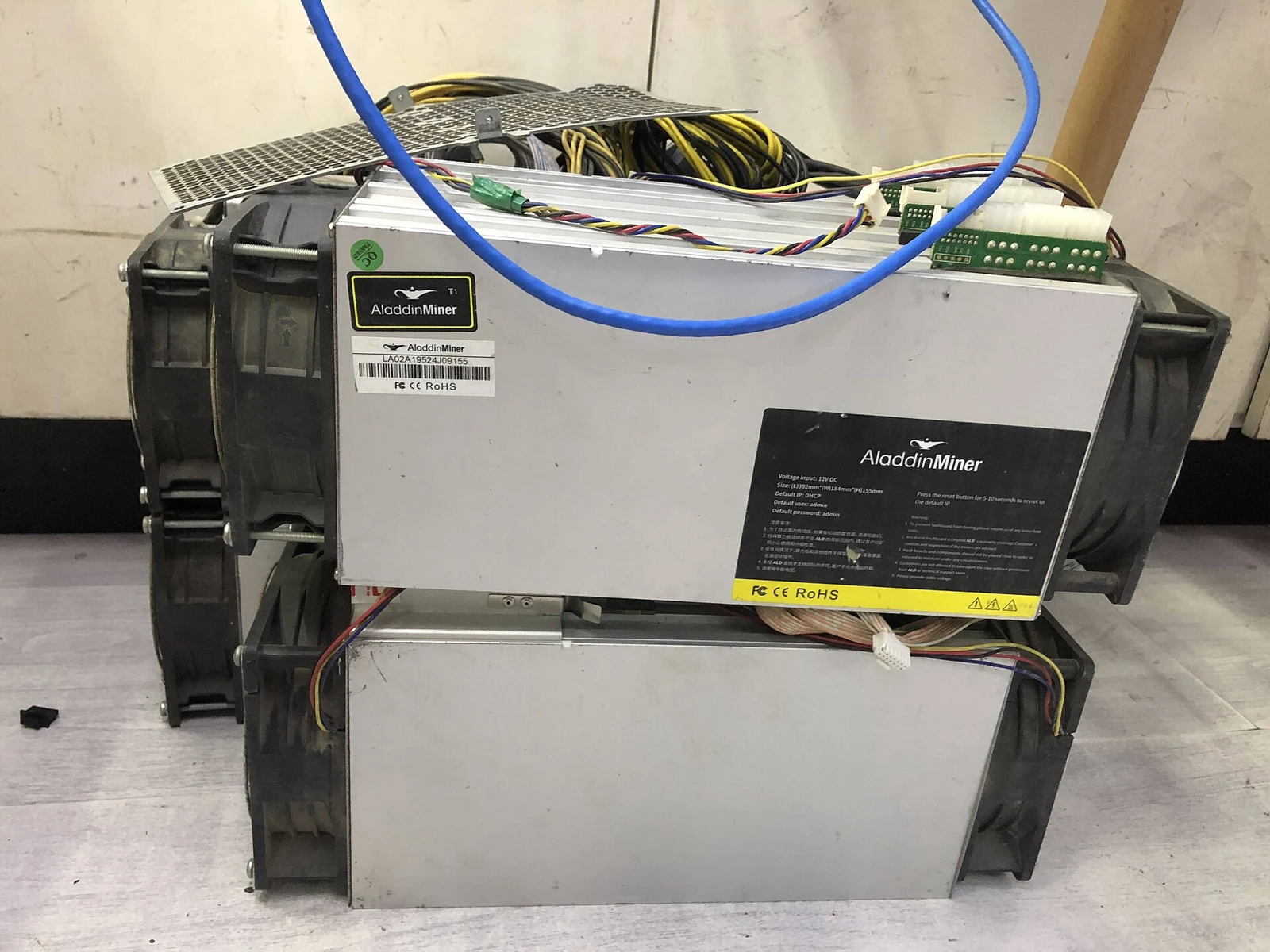
Bitdeer reports 288.1 BTC mined, 288.4 BTC sold and zero pure holdings
Source report: 2026-09-26 · Editorial analysis published: 2026-09-27
Bitdeer’s weekly update for the period ending September 25 lists 288.1 BTC produced, 288.4 BTC sold and no net addition to its own Bitcoin balance. The figures show an operating and treasury choice, while sale proceeds, costs and the 0.3 BTC reconciliation remain undisclosed.
Analysis and practical implications
This section is our analysis and illustrative calculations, separate from the source report.
What the weekly update says
Bitdeer published a weekly operating snapshot covering the period through September 25, 2026. According to the company figures reported by Mugglehead, mining output was 288.1 BTC, sales were 288.4 BTC, net additions were zero and “pure holdings” excluding customer deposits were also zero. These are company-reported numbers rather than an audited quarter. They describe production and coin movements for one week, not revenue, profit or cash flow. The update appeared after the US market close, so share-price movements earlier that Friday cannot be attributed to information that had not yet been posted.

The extra 0.3 BTC is not explained
Sales exceeded weekly production by 0.3 BTC. That difference is small relative to output but still needs a reconciliation before anyone treats the lines as a complete wallet ledger. It could reflect timing, rounding or coins available at the start of the reporting window, yet the post did not specify which. The zero net-addition line and zero pure-holdings line also use the company’s own definitions. ASIC.tools therefore does not infer a negative balance, a borrowing transaction or a hidden treasury from the difference; the published data are insufficient for any of those conclusions.
The previous week shows the same treasury direction
The preceding weekly update, through September 18, listed 287.2 BTC produced and 287.2 BTC sold, with zero pure holdings. Across the two updates Bitdeer reported almost 575 BTC of production and sales of slightly more than production. The consecutive readings indicate a policy of monetising current output instead of building an unrestricted Bitcoin reserve during those weeks. They do not show the average sale price, execution dates, counterparties, fees or the destination of the cash, all of which are needed to evaluate whether sales improved liquidity or merely covered operating obligations.
August provides the broader operating context
Bitdeer’s August operations release reported 1,310 BTC mined, up from 1,190 in July, and self-mining hashrate of 79.9 EH/s versus 76.7 EH/s. It also listed 21.6 EH/s of co-mining capacity operated in third-party data centres. At August 31 the company reported 61 BTC held, down from 257 one month earlier. The September weekly line is narrower and should not be spliced directly into the month-end series because its “pure holdings” definition excludes customer deposits and the company has not supplied a complete bridge from the August closing balance.
Mining output and treasury policy are separate decisions
A miner can increase hashrate and production while simultaneously reducing its Bitcoin balance. Mining operations determine how many coins are earned; treasury policy determines whether those coins are held, pledged, lent or sold. Selling current production can fund electricity, hosting, payroll, equipment or data-centre construction without issuing shares or debt. It can also limit upside if Bitcoin rises later. The weekly post does not state the use of proceeds, so the defensible conclusion is limited: Bitdeer reported selling essentially all weekly output and retaining no pure Bitcoin holdings at the measurement date.
Zero holdings does not mean zero exposure
The reported measure excludes customer deposits, and Bitdeer operates mining, co-mining, cloud and infrastructure businesses whose economics depend on Bitcoin even when the corporate wallet line is zero. Revenue can remain sensitive to Bitcoin price, network difficulty, transaction fees, uptime and energy cost. Equipment and power contracts can also create commitments that do not appear in a coin-balance headline. Readers should avoid treating zero pure holdings as an exit from Bitcoin mining or as proof that every coin handled by the platform was sold. It is a defined treasury metric, not a map of all operational exposure.
What operators and investors should compare
The useful comparison set includes BTC produced, BTC sold, realised price, energy and hosting expense, fleet hashrate, efficiency, uptime and capital expenditure. Production per EH/s can flag commissioning or curtailment changes, while realised sale price and cash cost show whether coin sales strengthened liquidity. Month-end holdings should be reconciled from opening coins plus production, purchases and other receipts minus sales, pledges and transfers. Until Bitdeer publishes those links for September, the weekly numbers should remain a dated operational snapshot rather than a full profitability estimate.
September 30 is the next important checkpoint
The next month-end operating disclosure can show whether zero pure holdings persisted and whether September production tracked the two weekly readings. A complete update would also separate self-mining from co-mining output and explain any difference between production, sales and closing coins. ASIC.tools will compare the September 30 balance with the 61 BTC reported at August 31 and will keep customer deposits outside the company-owned treasury calculation. For now the verified news is the company’s stated 288.1 BTC mined, 288.4 BTC sold and zero net addition for the week ending September 25.
Source: Bitdeer / Mugglehead ↗
Mining calculator ↗