Bitcoin hashprice holds at $39.25: September 14 mining update
Source report: 2026-09-14 · Editorial analysis published: 2026-09-15
Hashrate Index reports $39.25 per PH/s/day and a 943 EH/s weekly network average. We explain what the snapshot means for ASIC electricity margins.
Analysis and practical implications
This section is our analysis and illustrative calculations, separate from the source report.
The September 14 market snapshot
Hashrate Index’s September 14, 2026 roundup puts USD hashprice at $39.25 per PH/s per day, down 0.1% over the week, and the seven-day network hashrate average at 943 EH/s. These are dated figures from the publisher, not a live quote on ASIC.tools. A nearly unchanged hashprice means gross earnings per unit of SHA-256 work were broadly stable at that snapshot; it does not mean every mining operation had the same profitability or electricity cost.
Turn hashprice into a device-level estimate
One PH/s equals 1,000 TH/s. At the reported hashprice, a hypothetical 100 TH/s device therefore corresponds to $3.925 of gross daily revenue, while 200 TH/s corresponds to $7.85. Both calculations assume the full hashrate runs for 24 hours and use a network revenue benchmark. They are not guaranteed pool payouts. Fees, rejected work, offline periods and the pool’s payment rules can separate an individual miner’s credited balance from this simplified estimate.
Electricity changes the result even when hashprice is flat
Consider an illustrative 200 TH/s machine drawing 3.5 kW at the wall. It uses 84 kWh daily. At $0.05/kWh, electricity costs $4.20, leaving $3.65 between the $7.85 gross estimate and power cost. At $0.08/kWh, power costs $6.72 and the same difference is only $1.13. These are arithmetic scenarios, not a named product specification or net profit: maintenance, cooling outside the measurement point, labor and capital costs must still be considered.
Calculate an electricity-only threshold carefully
Dividing $7.85 by 84 kWh gives an illustrative electricity-only threshold of about $0.09345/kWh. It is not a safe purchasing price for power or a full business break-even point, because the calculation assigns every dollar of gross revenue to electricity. With other expenses and pool deductions, the sustainable tariff would be lower. A useful worksheet should show gross revenue, measured energy, pool costs and remaining operating expenses separately, rather than labeling the difference after power as final profit.
Network hashrate is an estimate over a period
The reported 943 EH/s is a seven-day average inferred from network activity, not a direct inventory of all energized ASICs. It helps place one machine’s hashrate in context, but it cannot identify a particular manufacturer, country or facility as the cause of a weekly change. Different averaging windows can produce different estimates without a hardware announcement. When comparing updates, keep the same window and date, and avoid treating a short change in block arrival times as evidence of a specific fleet deployment.
Difficulty expectations remain conditional
The roundup lists network difficulty at 127.45T and estimates a 5.26% increase around September 19. That estimate was conditional on the remaining blocks and must not be reported as a completed adjustment. As a separate mathematical scenario, a 5.26% difficulty increase with unchanged bitcoin price and reward assumptions would multiply revenue per unit of hash by about 1/1.0526. In the $7.85 example this is roughly $7.46 before other changes; it is a sensitivity calculation, not a forecast.
What to update in a farm calculation
Use the snapshot as a dated starting input, then replace power with wall measurements and availability with the farm’s observed uptime. Keep electricity contracts, pool deductions, maintenance and any cooling overhead visible. Run several hashprice and tariff scenarios rather than buying a machine on one favorable day’s figure. A steady market index can still coincide with a poor month for a farm experiencing downtime. Conversely, a better electricity contract can improve the operating margin without any increase in network hashprice. A useful operating record should also retain meter readings and maintenance intervals, so a later comparison can reproduce the same assumptions instead of relying on a headline alone.
Source timing and editorial boundaries
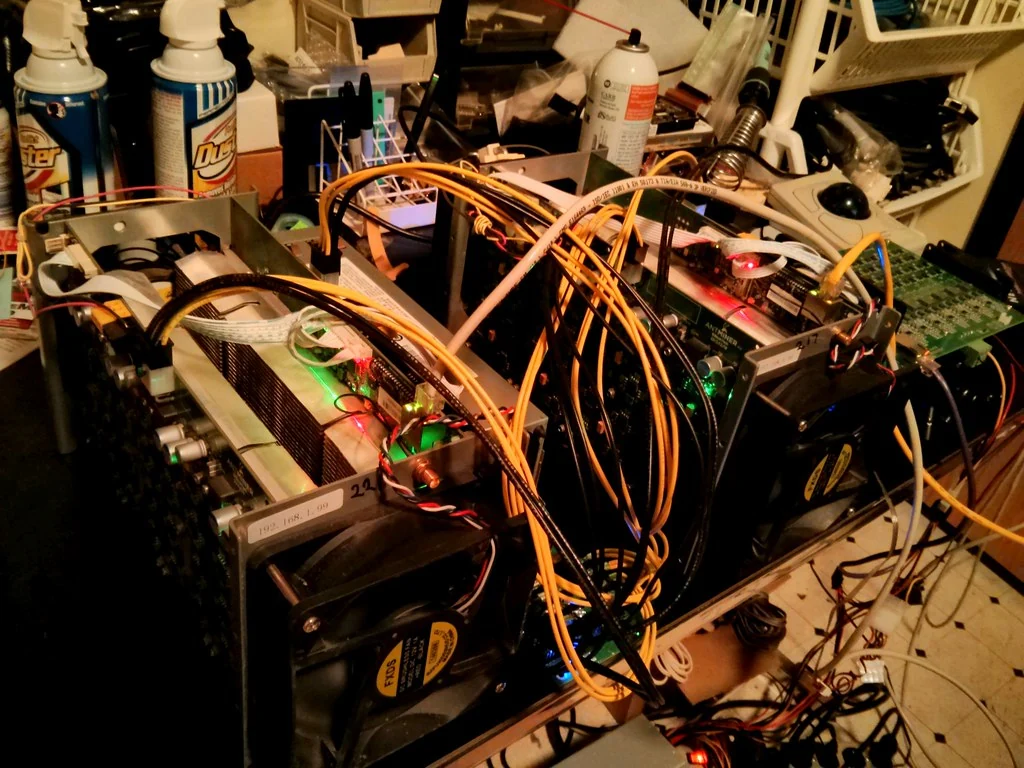
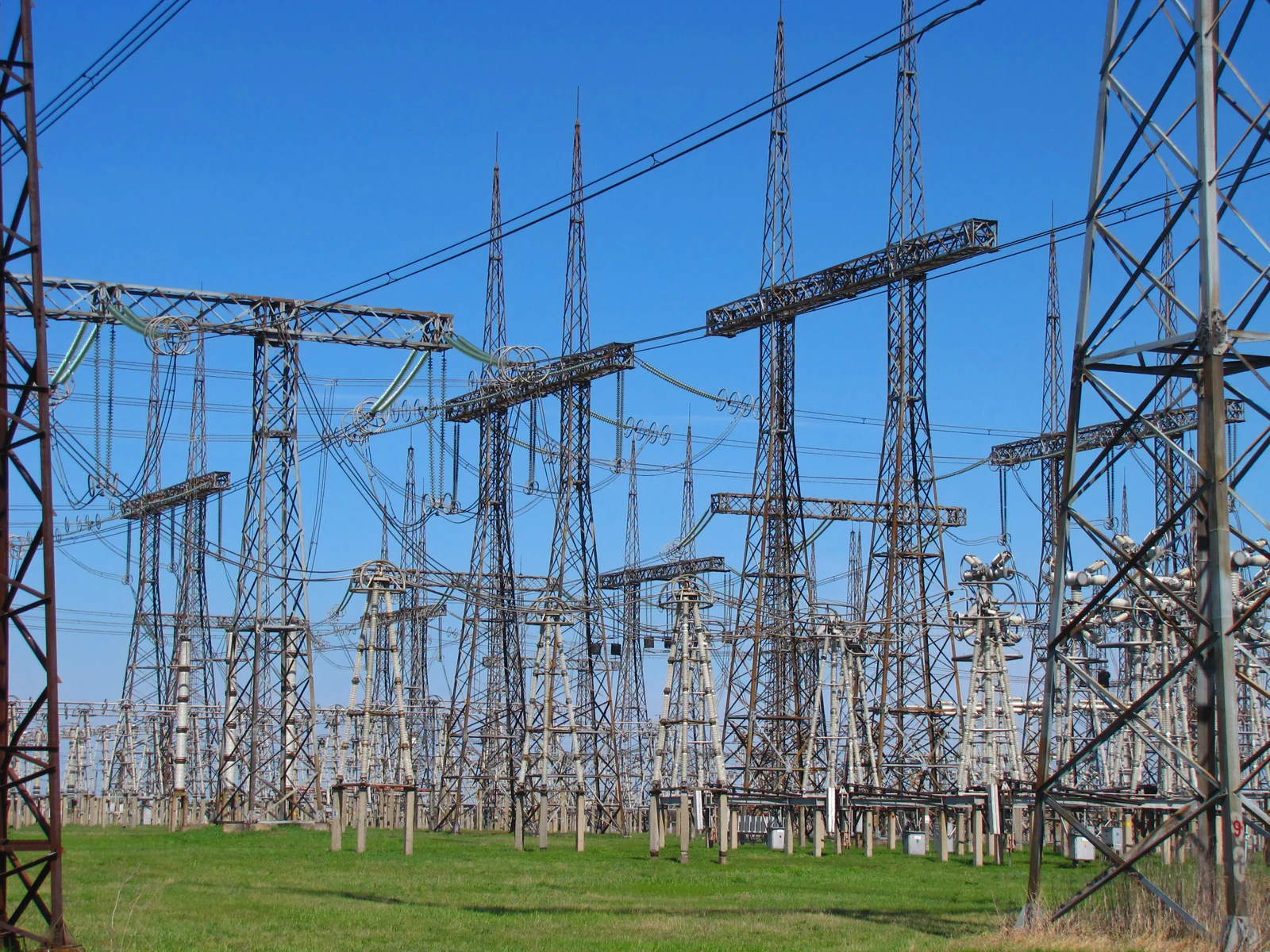
The source is Hashrate Index’s roundup dated September 14. Its generic first footnote still names August 31, while the main tables and charts carry September 14 labels. We preserve the publication date and treat the numbers as the publisher’s snapshot rather than claiming a verified real-time timestamp. All device-level examples above are original arithmetic with explicit assumptions. They do not constitute a quoted hosting offer, a product test or a guaranteed return. Archival photos illustrate equipment and electricity infrastructure, not newly announced facilities.
Source: Hashrate Index / Luxor ↗
Mining calculator ↗